
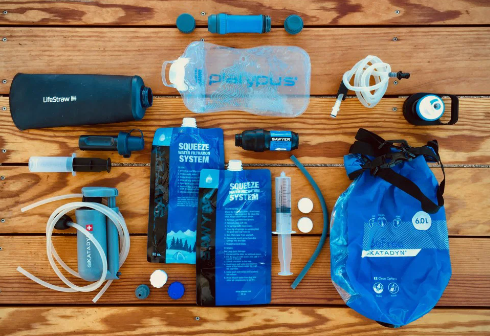
When preparing for a camping trip, water should be at the forefront of your mind. Not only is hydration crucial, but ensuring the water you consume is safe and clean is equally important. This raises a vital question: do you need a camping water filter?
1. Understanding the Importance of Clean Water
Water sourced from natural bodies like rivers, lakes, and streams may appear clear, but it often contains harmful bacteria, viruses, and parasites. According to health experts, drinking contaminated water can lead to serious illnesses, such as giardiasis or cryptosporidiosis, which can completely ruin your camping adventure. A camping water filter ensures that the water you drink is not only safe but also tastes fresh and clean.
Moreover, using a water filter can be ecologically friendly. Rather than purchasing bottled water, which contributes to plastic waste, a filter allows you to utilize natural resources responsibly. This minimizes your environmental footprint while you enjoy the great outdoors. Opting for a water filter is an easy decision for the conscientious camper!
-
- Research local water sources before your trip.
-
- Always treat water unless you are certain it is from a safe source.
-
- Know the risks associated with contaminated water.
-
- Consider the environmental benefits of using a filter.
2. Types of Camping Water Filters
Choosing the right camping water filter can be a daunting task due to the variety available on the market. Filters come in different designs, such as pump filters, gravity filters, and straw filters. For instance, pump filters are great for their effectiveness and speed, suitable for groups, while straw filters are light and easy for solo backpackers. Each type has its advantages, depending on your needs, group size, and the environment you’ll be in.
Additionally, it’s essential to consider the filter’s pore size. A filter that removes contaminants with a pore size of 0.2 microns or smaller can effectively filter out bacteria and protozoa. However, some filters may not remove viruses, so you should know the type of pathogens in your camping location. For maximum safety, consider bringing a system that combines filtration with purification methods, such as UV light or chemical tablets.
-
- Assess your needs: group size and trip duration.
-
- Evaluate types: pump, gravity, straw, or inline.
-
- Check pore size effectiveness for contaminants.
-
- Consider dual methods for added safety.
3. Maintaining Your Water Filter
Owning a camping water filter requires proper maintenance to ensure its effectiveness. Regular cleaning is crucial; failure to do so can lead to clogging and shorter lifespan. For example, if you’re using a pump filter, make sure to clean the filter element according to manufacturer instructions after every trip or every few uses, depending on how often you camp.
Additionally, pay attention to storage conditions. Storing your filter in a cool, dry place away from direct sunlight ensures that it remains in optimal condition. Never store your filter when it’s wet, as trapped moisture can lead to mold growth or deterioration of components. Following these maintenance tips extends the life of your filter and ensures you’ll have safe water for many camping outings to come.
-
- Clean your filter after each use.
-
- Store your filter dry and away from sunlight.
-
- Follow manufacturer maintenance guidelines.
-
- Inspect for any signs of damage regularly.
4. Using a Camp Filter Effectively
To get the best performance out of your camping water filter, knowing how to use it effectively is key. Start by locating the cleanest water source possible; avoid stagnant water or areas with high traffic from animals or humans. Pre-filtering water (through a cloth or a bandana) can help prevent premature clogging of your filter, especially in muddy or turbid waters.
When filtering water, take your time and follow the manufacturer’s instructions regarding flow rates and pressure. Rushing the process can lead to decreased efficiency and potentially unsafe water. Always have a potable water container on hand to store your filtered water, ensuring that you have a steady supply throughout your trip.
-
- Locate the cleanest possible water source.
-
- Pre-filter muddy or murky water to prolong filter life.
-
- Follow the manufacturer’s recommendations on use.
-
- Always store your filtered water in clean containers.
In conclusion, a camping water filter is an essential item for any outdoor enthusiast. It not only ensures clean water for hydration but also significantly enhances your overall camping experience. If you haven’t already, now is the time to research filters that fit your needs and make safe, clean water a priority on your next adventure!