
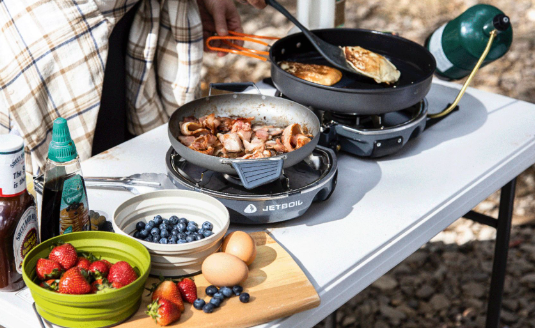
Embarking on an outdoor adventure can be exhilarating, and the right camping stove is key to a successful trip. Whether you’re boiling water for coffee or whipping up a gourmet meal under the stars, knowing what to look for in a camping stove can make all the difference.
1. Understand the Types of Camping Stoves
The first step in selecting the perfect camping stove is to understand the different types available. The main categories are canister stoves, liquid fuel stoves, and multi-fuel stoves. Canister stoves are lightweight, easy to use, and great for solo adventurers or small groups. They utilize pre-filled fuel canisters which are easily replaceable and require minimal setup. Liquid fuel stoves, on the other hand, offer longer burn times and are more effective in cold weather, making them a popular choice for backpackers heading into harsher conditions.
Multi-fuel stoves provide versatility as they can burn various types of fuel, including gasoline, kerosene, and even aviation fuel, making them ideal for international travel. However, they can be heavier and more complex to operate than other types. Consider your usage needs, group size, and the nature of your trips when deciding on a stove type.
-
- Assess your cooking style and meal preferences.
-
- Consider the weight and packability of the stove.
-
- Factor in the various fuel types you might have access to.
-
- Read product reviews to gauge user satisfaction.
2. Evaluate Fuel Options
Choosing the right fuel for your camping stove is crucial. The most common options are propane, butane, white gas, and wood. Propane and butane stoves typically offer quick ignition and are favored for their convenience. It’s important to check compatibility with your stove model, as some stoves are designed specifically for one fuel type. Additionally, consider the availability of fuel at your destination: propane canisters might be easy to find in the U.S., but harder to source in more remote locations.
Liquid fuel stoves, which use white gas, can also burn multiple fuel types, offering adaptability. However, they require more cleaning and maintenance than their canister counterparts. Lastly, wood-burning stoves present an environmentally-friendly option but depend on your ability to gather dry wood while camping. Ensure you’re familiar with local regulations regarding firewood and campfires.
-
- Pick the fuel type based on convenience and availability.
-
- Consider the weight of fuel containers when packing.
-
- Ensure you have adequate fuel for the duration of your trip.
-
- Research local regulations regarding fuel use in your camping area.
3. Consider Portability and Size
When selecting a camping stove, portability is a key consideration. If you are backpacking, you’ll want a compact, lightweight model that doesn’t take up much space. Look for stoves that fold down or can be packed neatly into a travel case. Generally, canister stoves tend to be the most portable, whereas larger liquid fuel stoves may require more space and weight. Additionally, consider how many people you’re cooking for: a smaller stove might suffice for a solo hiker, but a larger group may need a table-top model.
In contrast to the stove itself, think about the size of your cookware. With many camping meals requiring pots or pans, make sure your stove can accommodate your culinary setup. Adjustable burner features and supports for larger pans can enhance your cooking capabilities, making gourmet meals easier to prepare.
-
- Select a stove that matches your travel style (backpacking vs. car camping).
-
- Test the stove’s stability with your cookware before heading out.
-
- Pack any accessories or extras that enhance portability.
-
- Plan meals that match your cooking equipment size.
4. Look for Important Features
Not all camping stoves are created equal, so understanding additional features can help narrow your selection. Features like adjustable flame control allow for precise cooking, while built-in igniters add convenience by eliminating the need for a lighter or matches. Wind shields are also beneficial, particularly during breezy conditions, as they enhance heat efficiency and reduce fuel consumption. Additionally, some models come equipped with pot supports or racks, increasing their versatility.
Another important feature to consider is the stove’s heating efficiency. The ability to boil water quickly not only saves time but can also save fuel, making your trip more economical. It’s advisable to read performance reviews and test various models to find what suits your specific needs and preferences.
-
- Check for adjustable flame control for versatile cooking.
-
- Look for a built-in igniter for ease of use.
-
- Ensure the stove has a wind shield for outdoor conditions.
-
- Assess cooking efficiency through reviews or product details.
In conclusion, selecting the right camping stove does not have to be overwhelming. By understanding stove types, evaluating fuel options, considering portability, and looking for essential features, you can make a well-informed decision. Take the time to assess your camping needs, and you’ll be better equipped for your next outdoor adventure!