
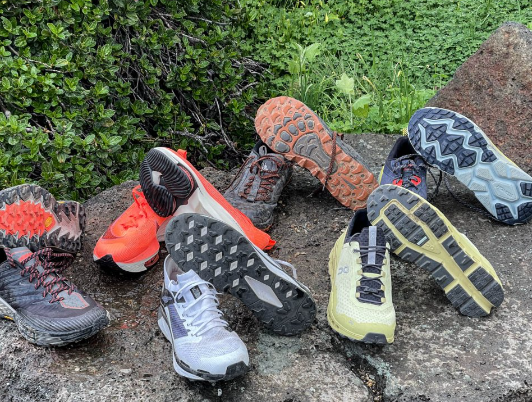
Choosing the right hiking shoes is crucial for a successful and enjoyable outdoor experience, especially for beginners. With so many options available, it can be overwhelming to find the perfect pair that suits your needs. This guide will provide you with essential tips and insights to help you make an informed decision.
1. Understand the Different Types of Hiking Shoes
Before diving into specifics, it’s important to familiarize yourself with the different types of hiking shoes available. Generally, they fall into three main categories: hiking shoes, backpacking boots, and trail runners. Hiking shoes are lightweight and suitable for short, less challenging trails, while backpacking boots are robust and designed for heavy loads and challenging terrains.
Trail runners, on the other hand, are a popular choice for those who prioritize speed and agility. They offer minimal cushioning and lightweight support, making them ideal for seasoned hikers looking for speed. However, beginners may want to stick with hiking shoes or boots that provide better ankle support and stability.
-
- Consider your hiking frequency: How often do you plan to hike?
-
- Assess the terrain: Rocky, muddy, or smooth trails?
-
- Evaluate your expected load: Will you carry a heavy backpack?
-
- Think about comfort: Prioritize fit and support for longer hikes.
2. Choose the Right Fit
Finding the right fit is essential for hiking shoes because ill-fitting footwear can lead to discomfort, blisters, or even injuries. It’s best to shop for shoes at the end of the day when your feet are naturally a bit swollen. Aim for a snug fit without too much pressure on your toes, and make sure there’s about a thumb’s width of space at the front.
Don’t forget to factor in the type of socks you plan to wear when trying on shoes. Thick hiking socks will affect the fit, and you want to ensure that everything feels comfortable together. Walk around the store or, if possible, an incline to test how the shoes handle different conditions.
-
- Try on shoes with the socks you plan to wear.
-
- Test them by walking over different surfaces.
-
- Check for ample toe room without being too loose.
-
- Ask a store associate for their input on fit.
3. Look for Key Features and Materials
When exploring hiking shoes, pay attention to key features such as waterproofing, breathability, and traction. Waterproof shoes are essential if you plan to hike in wet conditions, while breathable materials will keep your feet cool and dry on warmer days. Shoes with good traction often feature deep lugs in the sole, which provide better grip on slippery surfaces.
Additionally, consider weight and cushioning. Heavier shoes may provide better support for rugged terrains, but they can also be tiring over long distances. Strive for a balance that meets your personal needs, keeping in mind the type of hikes you plan to undertake.
-
- Look for shoes with Gore-Tex or similar waterproof materials.
-
- Check the outsole for rubber material and lug depth.
-
- Find a balance between weight and cushioning for comfort.
-
- Consider shoes with protective toe caps for added durability.
4. Budget Considerations
While it’s tempting to go for the cheapest option, investing in quality hiking shoes can save you from discomfort and injury later. A good pair of hiking shoes typically ranges from $100 to $300. Remember that higher prices often correlate with better materials and construction, which can enhance your overall hiking experience.
Look for sales or consider last season’s models to save some money without compromising on quality. Retailers often provide discounts on older models as new trends emerge. If you find a pair you love, don’t hesitate to buy them if they fit your budget.
-
- Set a budget before shopping to narrow your options.
-
- Look out for seasonal sales and discounts.
-
- Invest in quality; cheaper shoes can lead to more problems.
-
- Consider purchasing from reputable brands known for outdoor gear.
5. Break Them In Before Your First Hike
Once you’ve chosen your hiking shoes, it’s crucial to break them in before hitting the trails. This will help you find any potential pinch points and ensure a comfortable fit. Start by wearing your new shoes around the house or during short walks to help them mold to your feet.
You might also want to elevate your breaking-in process by walking on various terrains such as gravel or grass. This exposure will prepare your feet for the elements you’ll encounter on your hikes, ensuring that you have the best experience possible.
-
- Wear your shoes for short periods to test the fit.
-
- Walk on different surfaces to simulate hiking conditions.
-
- Gradually increase wear time to acclimate your feet.
-
- Always check for blisters during the break-in period.
Choosing the right hiking shoes can significantly enhance your outdoor adventures. With the right knowledge and preparation, you’ll find a pair that provides comfort, support, and durability. Remember to consider factors like type, fit, key features, budget, and break-in time before making your final decision. Happy hiking!