
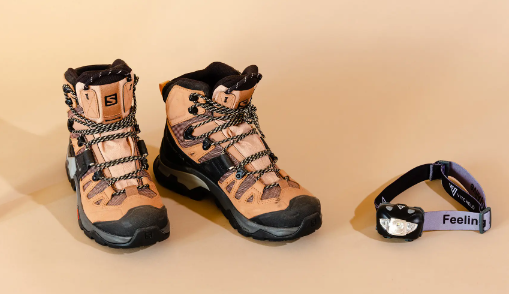
When it comes to hiking, having the right gear is essential for a comfortable and safe experience. Among the most important items is a good pair of hiking boots. This buying guide will help new hikers navigate the myriad of options available, ensuring you make an informed decision that suits your hiking needs.
1. Understanding Different Types of Hiking Boots
Hiking boots come in various styles, each designed for different terrains and activities. The primary types include day hiking boots, backpacking boots, and mountaineering boots. Day hiking boots are generally lighter and designed for shorter trails, while backpacking boots are more robust and suitable for longer trips with heavier loads.
Mountaineering boots, on the other hand, are specially designed for harsh environments and require additional features such as insulation and crampon compatibility. Understanding these distinctions can help you select a pair that aligns with your hiking habits and the terrain you are planning to tackle.
-
- Identify the type of hiking you’ll be doing.
-
- Consider the season and weather conditions.
-
- Research the weight of the boots suitable for your needs.
-
- Try different types to see which feels best.
2. Finding the Right Fit
Fit is paramount when selecting hiking boots; ill-fitting shoes can lead to blisters, discomfort, and even injuries. It’s crucial to measure your foot size accurately and to account for any changes due to swelling, especially after long hikes. Always try on boots in the afternoon when your feet are slightly swollen for a more accurate fit.
Ensure there’s ample toe room and heel stability, allowing for some wiggle without excessive movement. Most importantly, wear the socks you plan to hike in when trying on boots, as this can make a significant difference in comfort and fit.
-
- Measure your foot size at the end of the day.
-
- Wear appropriate hiking socks when trying on boots.
-
- Check for a snug fit around the heel.
-
- Walk around the store to ensure comfort.
3. Evaluating Materials and Features
The materials used in hiking boots significantly affect their durability, weight, and water resistance. Common materials include leather, synthetic fabrics, and rubber. Leather offers excellent durability and water resistance but can be heavier and take longer to break in. Synthetics, while generally lighter and quicker to dry, may not provide the same level of durability.
Consider additional features such as waterproof membranes, breathability, and insulation. Waterproof options are ideal for wet conditions, while breathable fabrics work well for hot weather. Look for features like cushioned midsoles and supportive footbeds for improved comfort on the trail.
-
- Choose materials based on climate and trail conditions.
-
- Look for waterproof options if hiking in wet regions.
-
- Evaluate insoles for additional comfort and arch support.
-
- Consider weight and how it affects your hiking experience.
4. Budgeting for Quality
While it’s tempting to save money on hiking boots, investing in a quality pair can enhance your hiking experience significantly. Generally, spending between $100 and $300 will yield a good pair of boots, but prices can go higher for specialized options. Remember that lower-priced boots may not provide the durability and support needed for tough hikes, leading to discomfort in the long run.
Keep an eye out for sales and discount opportunities, but prioritize fit and function over fashion. Sometimes, paying a bit more upfront can save you money in the long run if it means avoiding injuries and discomfort.
-
- Set a budget before shopping.
-
- Be prepared to invest more for better quality.
-
- Check for seasonal sales and discounts.
-
- Consider the cost per use; a well-used, durable pair is worth it.
5. Breaking In Your Boots
Once you’ve chosen the perfect hiking boots, breaking them in is crucial. New hiking boots should not be worn for extended hikes right away. Instead, wear them around your home or during short walks to allow the material to soften and adjust to your feet.
Start wearing them for a few hours a day over the course of a week or two, gradually increasing the time. Pay attention to any tight areas, as these might cause blisters if not addressed. If comfortable, consider taking them on short local hikes before hitting the trails for a more extended adventure.
-
- Wear boots for short periods initially.
-
- Gradually increase wear time to break them in.
-
- Simulate your hiking environment at home if possible.
-
- Inspect for discomfort and adjust as needed.
Choosing the right hiking boots can be a game changer for your outdoor adventures. Be thorough in your research and selection process, ensuring comfort and support for your feet. Ready to hit the trails? Start checking out the best options for your next hiking journey!