
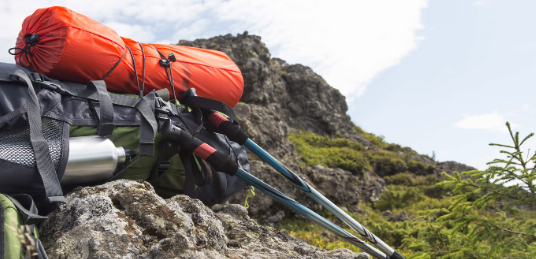
Embarking on a forest hiking adventure can be one of the most rewarding outdoor experiences. However, having the right gear not only enhances your experience but also ensures your safety and comfort along the trail. In this article, we will explore essential hiking gear specifically tailored for forest environments.
1. Footwear: The Foundation of Your Hike
The type of footwear you choose can make or break your hiking experience, especially in forest terrains which can be muddy, uneven, or rocky. Hiking boots or shoes should provide adequate grip and support. Look for features like waterproof materials to keep your feet dry and breathable fabrics to ensure comfort. Opt for a sturdy pair with good ankle support, which is particularly beneficial for forest hikes where roots and rocks may present tripping hazards.
Consider trying on hiking footwear at the end of the day when your feet are slightly swollen from daily activities. This helps ensure a comfortable fit. Don’t forget to break in new shoes before hitting the trail; blister prevention is crucial for any hike, especially longer ones.
-
- Choose waterproof or water-resistant footwear.
-
- Ensure a snug fit with room for toe movement.
-
- Look for a quality outsole for better traction.
-
- Break in new shoes or boots before your hike.
-
- Pack extra socks in case your feet get wet.
2. Clothing: Dressing for Comfort and Function
Layering is key when it comes to forest hiking, as temperatures can fluctuate throughout the day. Start with moisture-wicking base layers to keep your skin dry, add insulating layers for warmth, and finish with a waterproof shell to protect against rain. Opt for materials that allow for breathability and flexibility, like synthetic or wool blends, rather than cotton, which can hold moisture and become cold.
Don’t forget about accessories! A wide-brimmed hat can shield you from the sun, while gloves and a scarf are useful as temperatures drop. Additionally, wearing clothing in natural colors can help blend in with the surroundings, which might be appreciated by both wildlife enthusiasts and photographers alike.
-
- Choose moisture-wicking base layers.
-
- Utilize layers to adjust to changing temperatures.
-
- Invest in a high-quality, breathable waterproof shell.
-
- Wear natural, earth-toned colors when possible.
-
- Don’t forget sun protection accessories like hats and sunglasses.
3. Navigation Tools: Stay On Course
Forest trails can often be less marked than those in other environments, making navigation tools essential. A reliable map and compass are great companions, and understanding how to use them is crucial—smartphones can lose signal in dense woods. If you’re more comfortable with technology, consider using GPS devices that are designed for outdoor navigation, but always carry a backup like a traditional map.
Before heading out, familiarize yourself with the trail and the surrounding area. Mark key waypoints and make a mental note of landmarks. Adequate navigation skills can prevent you from getting lost and allow you to enjoy your hike without constant worry about where to go next.
-
- Carry a physical map and compass, even if you use GPS.
-
- Familiarize yourself with the trail and surroundings.
-
- Learn basic navigation skills before your hike.
-
- Check for landmarks to help identify your location.
-
- Always have a backup plan or route in mind.
4. Hydration and Nutrition: Staying Energized
Proper hydration and nutrition are critical elements that can significantly impact your hiking experience. Carry enough water to last throughout your hike, or have a reliable purification method if you’ll be near natural water sources. A hydration pack can be a convenient solution, allowing you to drink hands-free as you walk.
Nutritionally, pack easy-to-eat, high-energy snacks like trail mix, energy bars, or dried fruits. Foods that are lightweight but calorie-dense will help maintain your energy levels and keep you motivated on long treks. Don’t wait until you’re thirsty or hungry to eat or drink; make it a regular habit during your hike.
-
- Carry sufficient water or purification methods.
-
- Use a hydration pack or water bottles.
-
- Pack lightweight, high-energy snacks.
-
- Practice regular hydration and snacking during the hike.
-
- Know your own hydration needs based on personal activity levels and weather.
5. Safety and First Aid: Be Prepared
Accidents can happen in any environment, and being prepared with a first aid kit can make a critical difference. Your kit should include essentials like band-aids, antiseptic wipes, tweezers, and antihistamines for allergic reactions. Familiarize yourself with how to address basic injuries and illnesses, as well as how to use each item in your kit.
Additionally, consider carrying a whistle for signaling in case of emergencies, a flashlight or headlamp for low-light conditions, and a multi-tool or knife for various uses. Always inform someone of your hiking plans and expected return time, so they can alert authorities if you don’t come back as planned.
-
- Assemble a comprehensive first aid kit.
-
- Learn how to use the items within your kit.
-
- Carry a whistle and flashlight for emergencies.
-
- Inform someone of your travel plans and timing.
-
- Consider taking a basic first aid course.
In conclusion, being well-equipped for a forest hiking adventure is essential for your enjoyment and safety. From choosing the right footwear to carrying an adequate first aid kit, taking these steps will ensure that you have a memorable outdoor experience. So gear up, get ready, and enjoy the beauty of nature that awaits you!