
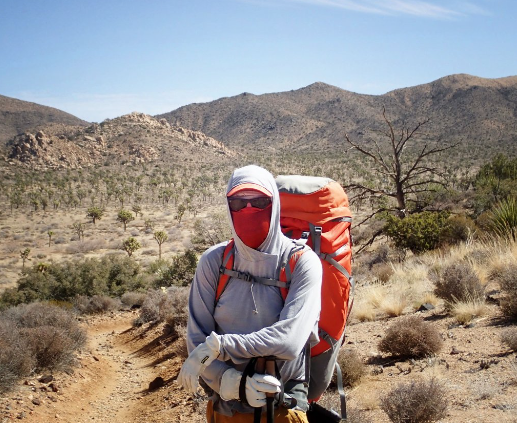
Desert hiking offers a unique and challenging experience for outdoor enthusiasts. The vast landscapes, stunning vistas, and diverse ecosystems provide a scenic backdrop but also require specific gear to ensure safety and comfort. Selecting the right equipment is essential for enjoying your adventure in arid environments.
1. Hydration Essentials
Staying hydrated is the most critical factor when hiking in desert climates. The intense heat can lead to rapid fluid loss through sweat, increasing the risk of dehydration. A general rule of thumb is to drink at least one liter of water for every two hours of hiking; more if temperatures exceed 90 degrees Fahrenheit. Consider investing in a hydration reservoir or Camelbak that allows you to sip water easily without halting your trek.
Additionally, electrolyte-rich drinks can be beneficial for rehydrating effectively. These drinks not only help replenish lost sodium and potassium but also combat fatigue and muscle cramping. Many hikers mix electrolyte powder with their water to maintain necessary balances during strenuous hikes.
-
- Always carry at least two liters of water, even for short hikes.
-
- Consider a hydration backpack for hands-free drinking.
-
- Include electrolyte tablets or powder in your pack.
-
- Know the signs of dehydration: dizziness, dry mouth, fatigue.
-
- Plan your route with access points to refill water if possible.
2. Footwear and Clothing
Choosing the right footwear is vital for comfort and protection in harsh desert terrains. Sturdy, well-fitting hiking boots made from breathable materials can provide the necessary support while minimizing the chances of blisters. Look for boots with good traction, as sandy and rocky surfaces can be unstable. Consider light, moisture-wicking socks that help prevent overheating and discomfort.
As for clothing, lightweight and light-colored fabrics are your best allies against the sun. A long-sleeve shirt can protect your skin from UV rays while also keeping you cool. Moreover, consider wearing a wide-brimmed hat and UV-block sunglasses to shield your face and eyes from the harsh sun. Early morning departures can also make hiking less strenuous in the heat.
-
- Select breathable, moisture-wicking materials for your clothing.
-
- Wear sturdy hiking boots tailored to the desert environment.
-
- Bring an extra pair of lightweight socks in case of moisture.
-
- Use a hat and sunglasses to protect against the sun.
-
- Plan to hike in early morning or late afternoon to avoid peak heat.
3. Navigation Tools and Safety Gear
Navigating through the vast and often featureless desert landscape can be challenging. A reliable map and compass are essential tools, even if you’re using GPS on your smartphone. Battery life can become an issue; hence, a portable charger should be part of your gear. Familiarizing yourself with the trail before your hike can also help you recognize landmarks and avoid getting lost.
Alongside navigation tools, safety gear such as a first aid kit is non-negotiable. The harsh conditions can lead to accidents, and having supplies to treat minor injuries is crucial. Additionally, carrying a whistle can be useful for signaling if you find yourself in distress. Make sure to equip yourself with a knife or multi-tool that can assist in various situations from food preparation to emergency repairs.
-
- Practice using a map and compass to build navigation skills.
-
- Always carry a portable charger for your GPS device.
-
- Include a first aid kit with essentials like bandages and antiseptics.
-
- Keep a whistle handy for emergency situations.
-
- Familiarize yourself with the terrain and trail before leaving.
4. Sun Protection and Gear Maintenance
Desert hiking presents heightened sun exposure, which necessitates robust sun protection. Beyond wearing protective clothing, using high-SPF sunscreen on exposed skin is vital. Apply it generously, even on cloudy days, as UV rays can penetrate clouds. Reapply every two hours or sooner if you’re sweating extensively to ensure adequate protection. You can also choose sunscreen sticks for ease of use on the go.
Regular maintenance of your gear is equally important, especially in the desert’s abrasive environment. Dust and sand can wear down clothing and equipment, so cleaning your gear after each outing will prolong its life. Check your boots regularly for wear and tear, and ensure that your hydration system is in good working condition without leaks.
-
- Utilize a high-SPF sunscreen and reapply regularly.
-
- Consider wearing UV-blocking clothing for extra protection.
-
- Clean your gear after hikes to prevent wear from sand and dust.
-
- Inspect your boots and hydration system frequently.
-
- Keep extra gear, like sunscreen and a repair kit, handy in your pack.
Desert hiking is an exhilarating pursuit, but being prepared with the right gear can make all the difference in your experience. Whether it’s hydration, suitable clothing, or essential navigation tools, each element contributes to your safety and enjoyment. Embrace the beauty of the desert, and remember to take the necessary precautions for a rewarding adventure!