
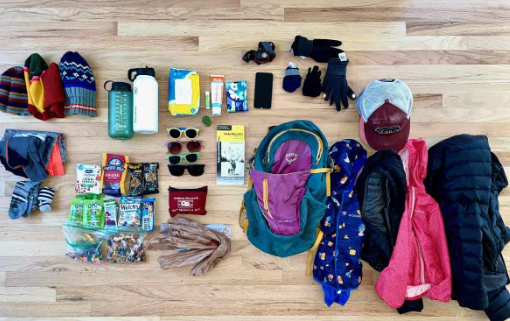
Hiking with kids can be one of the most delightful family experiences, fostering teamwork, exploration, and a love for the great outdoors. However, choosing the right gear for young hikers is crucial to ensuring comfort and safety on the trail. In this post, we’ll discuss essential hiking gear for kids, helping your family adventures go smoothly.
1. Footwear: The Foundation of Every Hike
When it comes to hiking gear for kids, footwear is the most important piece. Well-fitted hiking boots or shoes provide necessary support and grip, preventing slips on uneven terrain. Kids’ feet grow quickly, so it’s essential to measure their feet before purchasing new gear. Look for shoes designed specifically for hiking, as they often come with features like waterproof materials, breathable mesh, and protective toe caps.
Along with proper footwear, consider the sock choice too. Moisture-wicking socks made of materials such as merino wool or synthetic blends can help prevent blisters. Always bring an extra pair in case their feet get wet or sweaty during the hike. Remember, comfortable feet can make or break a hiking trip!
-
- Choose lightweight and breathable footwear.
-
- Ensure proper fit by measuring their feet.
-
- Invest in moisture-wicking socks.
-
- Bring an extra pair of socks on every hike.
-
- Test the shoes on shorter hikes before longer trips.
2. Clothing: Dressing for the Elements
Selecting the right clothing for your kids is vital to keep them comfortable and protected from changing weather conditions. Opt for moisture-wicking materials for base layers to keep sweat off their skin; fleece or insulated jackets work well for warmth, and waterproof outer layers are essential for wet weather. Depending on the season, layering is key—this allows you to add or remove pieces easily as temperatures change throughout the day.
Don’t forget accessories! A wide-brimmed hat can shield them from the sun, and lightweight gloves or beanies can keep them warm in cooler conditions. Always check the weather forecast before your trip so you can adjust their outfits accordingly, and encourage your children to be involved in picking out their gear. This will make them more excited about wearing what they have selected!
-
- Choose moisture-wicking base layers.
-
- Layer clothing for temperature regulation.
-
- Invest in a waterproof jacket.
-
- Include sun protection accessories.
-
- Let kids help choose their outfits.
3. Hydration and Snacks: Fueling the Adventure
Keeping kids hydrated is vital during hiking trips. Make sure your little ones carry their own water bottles, ideally ones that are insulated to keep drinks cool. Teach them the importance of drinking water regularly, especially on warmer days. A hydration pack can also be a fun way for them to drink while on the go without having to stop frequently.
Snacks are equally important to maintain their energy levels. Choose lightweight, high-energy snacks like trail mix, energy bars, or dried fruit that can be easily carried in pockets or small backpacks. Involve kids in preparing snacks for the trip; this not only adds to their excitement but also teaches them about nutrition and energy needs on hikes!
-
- Equip kids with insulated water bottles.
-
- Encourage regular water breaks.
-
- Pack high-energy, lightweight snacks.
-
- Let kids help prepare snack options.
4. Safety Gear: Prioritizing Protection
Safety should always come first, especially when hiking with kids. Having a well-stocked first aid kit is essential; make sure it includes items suited for children, such as adhesive bandages in fun colors and child-friendly pain relievers. Also, consider investing in whistle alarms or personal safety devices that children can use to signal for help if needed.
Teaching kids basic trail safety rules is crucial. This can include staying on marked trails, not wandering too far ahead, and what to do if they get lost. Have a family discussion about the importance of respecting wildlife and nature, which ultimately makes for a more enjoyable hiking experience.
-
- Always carry a child-friendly first aid kit.
-
- Incorporate safety discussions before the hike.
-
- Teach kids to stay on marked trails.
-
- Encourage respect for wildlife and nature.
In conclusion, the right hiking gear for kids can turn a hiking trip into an enjoyable adventure for the whole family. By ensuring comfort, safety, and preparedness, you can create lasting memories while exploring the great outdoors together. So, get ready to lace up those boots and hit the trails! Happy hiking!