
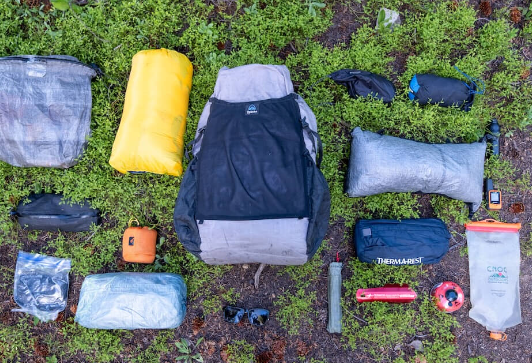
Embarking on your first hiking adventure can be both exhilarating and daunting. One crucial element that can make your experience more enjoyable is selecting the right lightweight hiking gear. This guide will help beginners navigate their options, making sure you are equipped with the essentials without the extra weight.
1. Choosing Your Backpack
The backpack is your primary vessel for carrying all your hiking gear, so it’s essential to pick the right one. Look for a lightweight model that offers enough capacity based on the duration of your hike. For day hikes, a backpack with a capacity of 20-30 liters should suffice. Check for features such as padded shoulder straps, a hip belt for weight distribution, and various compartments to keep your items organized.
Another important factor is the material of the backpack. Nylon and polyester are popular choices due to their durability and water resistance. Additionally, consider the weight of the backpack itself; ideally, a lightweight model should weigh around 2-3 pounds. Once you’ve chosen your backpack, make sure to pack it smartly, balancing the weight to ensure comfort while hiking.
-
- Choose a backpack size based on hiking duration: 20-30 liters for day hikes.
-
- Select materials that are lightweight yet durable, such as nylon or polyester.
-
- Check for comfort features like padded straps and a hip belt.
-
- Organize your backpack with compartments to find gear easily.
-
- Weigh your backpack; aim for 2-3 pounds for a lightweight option.
2. Selecting Lightweight Clothing
Your clothing can significantly impact your hiking experience, so opt for layers that are both lightweight and breathable. Start with moisture-wicking base layers that will keep you dry while hiking. Fabrics like merino wool or synthetic blends are excellent choices, as they excel in moisture management while being lightweight.
For your outer layer, consider a lightweight rain jacket or shell to protect against unpredictable weather. Additionally, choose hiking pants or shorts made from quick-drying materials, which will keep you comfortable throughout your hike. Avoid cotton, as it retains moisture and can lead to discomfort.
-
- Invest in moisture-wicking base layers for optimal comfort.
-
- Choose lightweight rain jackets or shells for weather protection.
-
- Opt for quick-drying hiking pants or shorts.
-
- Avoid cotton fabrics; they retain moisture and are not suitable for hiking.
-
- Layer your clothing for adaptability to changing weather conditions.
3. Essential Footwear for Beginners
Your choice of footwear can make or break your hiking experience. Lightweight hiking shoes or boots should offer good traction, support, and protection for your feet. Look for shoes that feature breathable materials and provide a snug fit to avoid blisters during your hike. Specialized hiking footwear often includes features like reinforced toe caps and aggressive rubber outsoles for added grip on various terrains.
When trying on hiking shoes, pay attention to the fit and comfort level. It’s advisable to wear the same socks you plan to wear on your hike to ensure a proper fit. If you are hiking in colder climates, consider layered socks for added warmth without adding too much weight. Always break in your hiking shoes before heading out, as this can prevent painful blisters on the trail.
-
- Select lightweight hiking shoes or boots with good traction.
-
- Look for breathability and a snug fit to prevent blisters.
-
- Wear the same socks you plan to use when trying on shoes.
-
- Consider reinforced toe caps and rubber outsoles for durability.
-
- Break in your shoes before your first hike.
4. Lightweight Cooking and Hydration Gear
If you plan on enjoying meals during your hike, lightweight cooking gear is a must. A compact camping stove and a lightweight pot can be invaluable for preparing simple, hot meals. Look for a stove that operates on easy-to-find fuel canisters, which are often lighter than traditional cooking methods. Remember that your pot should ideally have a non-stick surface and include a lid to save energy and cook quickly.
Hydration is equally crucial when hiking. Lightweight water bottles or hydration bladders can conveniently carry your water. They are designed to be compact and often come with an easy-access drinking tube, allowing you to sip while on the move. Always carry enough water for your hike, and consider packing portable water filtration systems for longer excursions when water sources are present.
-
- Choose a compact camping stove for easy meal preparation.
-
- Opt for lightweight pots with non-stick surfaces and lids.
-
- Consider hydration bladders for easy access to water.
-
- Always carry enough water; plan based on the hike’s duration.
-
- Look into portable water filtration systems for extended hikes.
5. Safety and Navigation Tools
While enjoying the beauty of nature, it’s crucial to prioritize safety and navigation. A lightweight first aid kit should include essentials like band-aids, antiseptic wipes, and any personal medications you may need. Additionally, a whistle can be a lifesaver in an emergency situation, helping rescuers locate you quickly.
When it comes to navigation, consider lightweight options such as a map and compass, or a GPS device tailored for hiking. Many smartphone apps can also provide GPS services, but it’s wise to carry a backup in case your device runs out of battery or loses service. Familiarize yourself with navigation tools before heading out to ensure you can confidently find your way.
-
- Pack a lightweight first aid kit with essentials.
-
- Include a whistle for emergency situations.
-
- Carry navigation tools like a map and compass or GPS device.
-
- Consider smartphone apps for additional navigation support.
-
- Familiarize yourself with your navigation tools prior to hiking.
In conclusion, selecting the right lightweight gear can enhance your hiking experience, making it safe and enjoyable. By investing in quality backpacks, clothes, footwear, cooking, hydration, and safety tools, you can embark on your adventures with confidence. Take that next step and prepare for your journey! Explore the trails, enjoy nature, and learn something new each time you head out.