
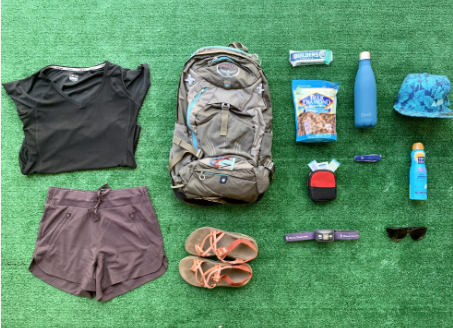
Hiking is a fantastic way to explore nature and get some exercise, but having the right gear can make all the difference for new hikers. Understanding the basics of hiking equipment not only enhances your comfort but also ensures your safety on the trails. In this blog post, we will cover essential gear components that every new hiker should know.
1. Footwear Essentials
Your choice of footwear is one of the most crucial aspects of your hiking gear. Hiking boots or shoes should fit well, provide adequate support, and offer good traction. A good pair of hiking boots can prevent blisters and discomfort on the trail, making your experience much more enjoyable. When selecting your footwear, consider the terrain and weight of the pack you’ll be carrying, as these factors can influence your choice.
Moreover, waterproofing is critical if you expect wet conditions. Many brands offer waterproof boots that not only keep your feet dry but also include breathability features. It’s a good idea to wear your boots a few times before hitting the trails to break them in and ensure comfort.
-
- Choose boots or shoes based on the trail conditions.
-
- Ensure a secure fit; you shouldn’t feel any pinching or excessive movement.
-
- Consider going a half-size up to accommodate extra socks or swelling.
-
- Test your boots by walking on different surfaces.
2. Clothing Layers
Dressing in layers is essential when hiking, as it allows you to regulate your body temperature. The three main layers include a moisture-wicking base layer, an insulating middle layer, and a protective outer layer. A well-designed base layer will help wick sweat away, keeping you dry and comfortable as you hike.
Your middle layer could consist of fleece or down jackets, providing warmth without adding too much bulk. Finally, a waterproof and windproof jacket serves as your outer layer, protecting you from the elements. Remember to check the weather before you set out, as this can guide your clothing choices.
-
- Always start with a moisture-wicking base layer.
-
- Invest in a good quality insulating layer for colder conditions.
-
- Choose breathable fabrics for your outer layer.
-
- Bring a hat and gloves if the forecast calls for cool weather.
3. Essential Hiking Accessories
Hiking accessories can significantly enhance your hiking experience. A comfortable backpack is vital for carrying gear, water, and snacks. It should fit snugly without being too tight and come with adjustable straps for a customized fit. A hydration reservoir or water bottles are also indispensable for keeping hydrated during your hike.
Don’t forget about navigation tools. While smartphones have GPS capabilities, it’s wise to carry a physical map and compass as a backup. Other useful accessories include trekking poles, which can help with stability on uneven terrain, and a first-aid kit for emergencies.
-
- Choose a backpack that fits your body’s dimensions.
-
- Always pack extra water, even for short hikes.
-
- Carry a map and compass, even if you’re using a GPS app.
-
- Bring a small first-aid kit containing basic supplies.
Understanding the basics of hiking gear can set you on a path to enjoying this great outdoor activity more fully. With the right footwear, clothing layers, and accessories, you can ensure not only your safety but also your enjoyment on the trails. Take the plunge, invest in quality gear, and get ready to hit the hiking trails!