
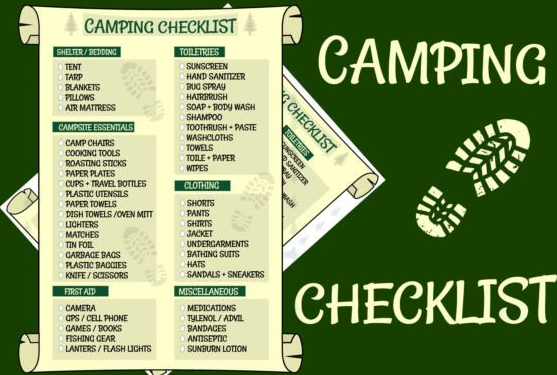
Preparing for a weekend camping trip can be an exhilarating experience, but much of that excitement stems from having the right equipment ready to go. Whether you’re a seasoned camper or just starting, having a comprehensive checklist ensures that you won’t forget any essentials. This blog post will guide you through a well-rounded weekend camping equipment checklist to enhance your outdoor experience.
1. Shelter and Sleeping Gear
Your shelter is the first thing to consider when planning your camping trip. A dependable tent that can withstand the elements is essential; you’ll want it to be easy to set up and spacious enough for everyone in your group. Don’t forget to pack a durable ground tarp to protect the tent floor and keep moisture at bay. Also, consider the type of sleeping gear you’ll need—sleeping bags that cater to the season’s temperature are crucial for a good night’s sleep.
Remember to check the tent’s condition before your trip, ensuring there are no leaks or damages. If you’re camping in colder weather, thermal sleeping bags or additional blankets are recommended. Additionally, a sleeping pad can provide extra comfort and insulation from the cold ground.
-
- Choose a tent that suits your group size and expected weather conditions.
-
- Pack a ground tarp to protect against moisture.
-
- Bring sleeping bags rated for the season.
-
- Include sleeping pads for added comfort.
-
- Consider additional blankets for colder nights.
2. Cooking and Food Supplies
Cooking while camping can be a fun experience, but it requires proper planning. First, pack a portable stove or a charcoal grill, along with sufficient fuel. Don’t forget cooking utensils like pots, pans, and spatulas, along with a cutting board. Meal planning is essential; consider easy-to-cook items like pasta, canned goods, or pre-marinated meats.
Storing your food properly is another critical aspect of cooking while camping. Using a cooler will keep perishables fresh, while sealing foods in airtight containers can prevent unwanted wildlife encounters. Remember to pack biodegradable soap for cleaning cookware and consider bringing a pot or bowl for washing dishes.
-
- Bring a portable stove or grill and adequate fuel.
-
- Pack essential cooking utensils and a cutting board.
-
- Plan meals that are simple and quick to prepare.
-
- Use a cooler to store perishable food.
-
- Include biodegradable soap for dishwashing.
3. Safety and Navigation Gear
Being safe while enjoying the great outdoors is paramount, and packing the right safety equipment can make a significant difference. A well-stocked first-aid kit should include band-aids, antiseptic wipes, pain relievers, and any personal medications. Additionally, a compass and map are invaluable, especially in areas where cell phone service may be unreliable. GPS devices can be helpful, but it’s wise to have a backup—such as a traditional map and compass preparation.
It’s also important to pack items like insect repellent and sunscreen to protect against bites and sunburn. Don’t forget to have a flashlight or headlamp (with extra batteries) for navigating at night. These simple precautions can help ensure a safe and enjoyable camping experience.
-
- Pack a comprehensive first-aid kit with necessary supplies.
-
- Bring a physical map and compass for navigation.
-
- Include insect repellent and sunscreen for protection.
-
- Don’t forget a flashlight or headlamp, along with extra batteries.
-
- Consider including a whistle for emergency signaling.
4. Clothing and Personal Gear
Choosing the right clothing can make or break your camping experience. It’s essential to layer your clothing based on the weather forecast. Start with moisture-wicking base layers to keep sweat away, followed by insulating mid-layers for warmth. Finally, a waterproof outer layer is important for protection against rain or wind. Don’t forget comfortable and sturdy hiking boots, as well as warm hats and gloves if you’re camping in cooler temperatures.
Additionally, personal gear should not be overlooked. Bring personal hygiene items, such as biodegradable soap, toothbrush, and toothpaste. A quick-dry towel is handy for washing up or drying off after rain. Also, a small toiletry bag can keep everything organized and accessible.
-
- Pack moisture-wicking base layers, insulating mid-layers, and waterproof outer layers.
-
- Select comfortable hiking boots suited for your terrain.
-
- Don’t forget hats and gloves for variable weather.
-
- Bring biodegradable hygiene items and quick-dry towels.
-
- Use a small toiletry bag for organization.
5. Games and Entertainment
After a day of outdoor activities, having some entertainment can enhance the camping experience. Pack items like playing cards or board games that are easy to transport. If you have kids with you, consider some outdoor games such as frisbee or a ball for some fun in the sun. Depending on your group’s preference, a portable speaker could be perfect for playing music around the campfire.
Reading material is another excellent addition; a good book can make for a relaxing evening under the stars. Ensure that any entertainment options are compact and travel-friendly to keep your packing manageable. This thoughtful inclusion can help create lasting memories around the campsite.
-
- Include compact games like cards or travel-sized board games.
-
- Pack outdoor games like frisbee or a ball.
-
- Consider bringing a portable speaker for music.
-
- Include a good book for some evening relaxation.
-
- Keep entertainment options compact and lightweight.
With this weekend camping equipment checklist, you can gear up for an unforgettable outdoor adventure. Remember that thorough planning is the key to enjoying everything nature has to offer. So pack wisely, have fun, and immerse yourself in the beauty of the great outdoors!