
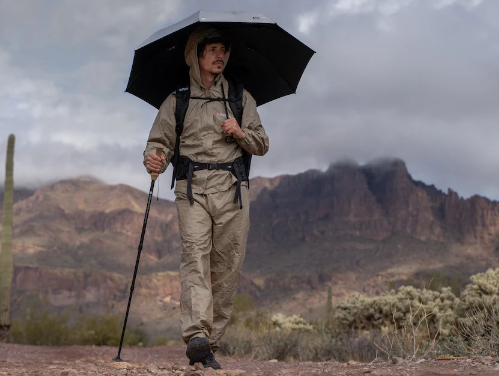
Hiking is a fantastic way to explore the great outdoors, but the weather can be unpredictable. Whether you’re facing rain, snow, or even unexpected splashes from rivers, having the right waterproof hiking gear is essential for all-season adventures.
1. Waterproof Jackets: Your First Line of Defense
When it comes to waterproof hiking gear, a quality jacket should be at the top of your list. Look for jackets made from breathable materials like Gore-Tex or similar fabrics that keep moisture out while allowing sweat to escape. Features like adjustable hoods, sealed seams, and ventilation zippers enhance comfort and functionality, making them suitable for varying weather conditions.
Additionally, consider packability—choose a jacket that can be easily stowed in your backpack when the skies clear. Brands like Patagonia and The North Face offer excellent options that combine durability with lightweight design. Always try on jackets to ensure a good fit; this is crucial for mobility during your hikes.
-
- Look for jackets with a waterproof rating of 10,000 mm or higher.
-
- Check for features like adjustable cuffs and hemlines.
-
- Consider color options for visibility in low-light conditions.
-
- Try before you buy to ensure comfort and fit.
2. Waterproof Footwear: Tread Carefully
Your feet take a beating while hiking, so investing in waterproof hiking boots or shoes is crucial. Materials such as waterproof leather or synthetic options can keep your feet dry without compromising breathability. Look for Vibram or similar outsoles for excellent traction, especially in wet or muddy conditions.
Additionally, ensure that the footwear provides adequate ankle support and cushioning. Many brands offer options designed for various terrains, so think about where you’ll be hiking most. Trying on different pairs with appropriate socks can help find the perfect fit, ensuring comfort during long hikes.
-
- Choose boots with a waterproof membrane.
-
- Break in your boots before long hikes to prevent blisters.
-
- Opt for moisture-wicking socks for added comfort.
-
- Check for ankle support if hiking on uneven terrain.
3. Waterproof Bags: Carry Your Gear Safely
A waterproof bag is essential for keeping your belongings dry during wet hikes. Look for backpacks made from waterproof materials and features like roll-top closures to ensure water stays out. Many modern hiking packs also include hydration systems, which are advantageous for long treks.
It’s also wise to consider the size and padding of your pack. A well-fitted pack will distribute weight properly, maximizing comfort during your hike. Many brands like Osprey and Deuter offer designs with sustainable materials and thoughtful compartments for organized storage. Consider a dry bag for electronics and valuables if you expect particularly wet conditions.
-
- Select a backpack with a waterproof rating.
-
- Ensure it has padded straps for added comfort.
-
- Check for multiple compartments for organization.
-
- Consider a rain cover for extra protection.
4. Accessories: Small Items Make a Big Difference
Don’t overlook the importance of waterproof accessories, such as gloves, hats, and gaiters. Waterproof gloves are essential for keeping hands warm and dry, especially in colder conditions. Similarly, a waterproof hat can provide shade on sunny days while shielding your head from unexpected rain.
Gaiters are excellent for preventing water, mud, and debris from entering your boots. Often overlooked, they can significantly enhance overall comfort and dryness during your hikes. Different materials work better for various climates, so consider your needs based on anticipated conditions.
-
- Choose gloves with a waterproof lining.
-
- Look for a hat with moisture-wicking properties.
-
- Ensure gaiters fit snugly around your boots.
-
- Opt for UV protective accessories if hiking in sunny conditions.
5. Layering: The Key to Comfort
Layering your clothing is crucial for staying comfortable in changing weather conditions. Start with a moisture-wicking base layer that draws sweat away from your skin. Follow this up with an insulating layer, such as fleece, that offers warmth even when wet. Your waterproof jacket acts as the outer layer to shield against the elements.
Experiment with various combinations to find what works best for you. Remember to consider the thickness of layers; too many can restrict movement, while too few may leave you cold or uncomfortable. Always stash an extra layer in your pack for unpredictable weather scenarios that may arise on your hiking journey.
-
- Choose lightweight, breathable fabrics for base layers.
-
- Opt for mid-layers that retain heat but allow breathability.
-
- Always bring an extra layer for emergencies.
-
- Adjust layers according to your activity level to avoid overheating.
Investing in quality waterproof hiking gear can significantly enhance your outdoor experience year-round. As you prepare for your next adventure, consider consulting a professional outfitter to ensure you have the right gear for your specific needs. Happy hiking!