
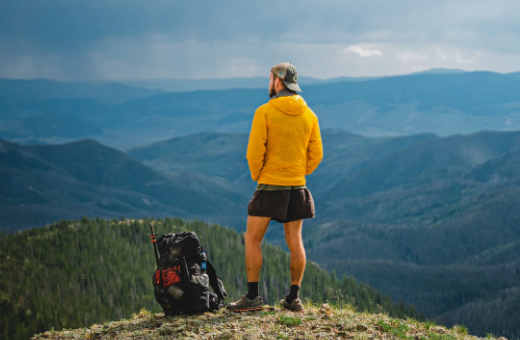
Long-distance hiking is an exhilarating way to connect with nature, test your limits, and enjoy stunning landscapes. However, carrying excessive gear can turn a dream journey into a burdensome trek. This is where ultralight hiking gear comes into play, enabling hikers to travel longer distances with less effort.
1. Essential Ultralight Shelter Options
When it comes to ultralight hiking, your shelter choice is crucial. A lightweight tent can weigh as little as 2 pounds, while tarp systems can weigh under a pound. Consider options like the Big Agnes Fly Creek or the Six Moon Designs Lunar Solo. These are not just lightweight; they are built for durability, making them perfect for those long-distance treks through varying weather conditions.
Another option involves using a bivy sack, which is essentially a waterproof cover for your sleeping bag. This setup is particularly useful in areas with minimal wind and rain, providing enough protection without the bulk of a typical tent. Ensure to test any shelter option before your hike to familiarize yourself with its setup and durability.
-
- Research lightweight tent options that suit your specific hiking conditions.
-
- Practice setting up your shelter before your trip.
-
- Always check the weather forecast and choose your shelter accordingly.
-
- Consider using a bivy sack for quicker setups and reduced weight.
2. Choosing the Right Ultralight Sleeping Gear
Your sleeping gear can significantly impact your energy levels on long treks. An ultralight sleeping bag can weigh just 1-2 pounds, keeping you warm without the bulk. Look for options with high fill power down insulation, as they provide excellent warmth-to-weight ratios. Brands like Nemo and Sea to Summit offer lightweight models that don’t compromise on comfort.
Additionally, investing in a compact sleeping pad can help ensure a good night’s rest. Look for inflatable options like the Therm-a-Rest NeoAir Xlite, which packs down to the size of a 1-liter water bottle. It offers comfort without the added weight of traditional foam pads, thus enhancing your overall hiking experience.
-
- Opt for sleeping bags with down insulation for better lightweight options.
-
- Test your sleeping gear beforehand to ensure comfort and warmth.
-
- Choose inflatable sleeping pads to save space and weight.
-
- Check the temperature rating of your sleeping bag against the conditions you’ll face.
3. Ultralight Cooking and Hydration Solutions
A lightweight cooking setup can significantly enhance your hiking experience. Consider a compact stove like the MSR PocketRocket, which boils water in under 4 minutes and weighs well under a pound. Combine this with a lightweight pot, such as the Toaks Titanium 750ml, and you’ll have an efficient cooking system that won’t weigh you down.
Hydration is equally important. Instead of bulky water bottles, consider using a hydration reservoir or collapsible water bags. Tools like the Platypus GravityWorks provide a user-friendly way to filter water without the hassle of carrying heavy bottles. This compact solution not only saves space but also promotes efficient hydration on long trails.
-
- Select a lightweight stove that meets your cooking needs.
-
- Use titanium cookware for efficient heat distribution.
-
- Opt for a setup that allows for multiple meal options without excess bulk.
-
- Invest in a hydration system that fits comfortably in your pack.
4. Lightweight Clothing Choices
Your clothing can either add unnecessary weight or keep you comfortable on the trail. Look for moisture-wicking layers that are both lightweight and breathable. Brands like Patagonia and Arc’teryx offer excellent options such as merino wool shirts or synthetic layers that provide insulation without adding bulk.
Moreover, consider wearing zip-off pants to adapt to changing weather conditions easily. Lightweight rain jackets made from materials such as Gore-Tex are also critical, as they protect you from the elements without being too heavy. Layering is key – choose items that can easily be added or removed as temperatures fluctuate, ensuring comfort throughout your hike.
-
- Choose moisture-wicking fabrics for all your base layers.
-
- Invest in quality rain gear that’s lightweight and packable.
-
- Pack zip-off pants for versatile clothing options.
-
- Layer effectively to manage temperature changes during the day.
5. Essential Ultralight Hiking Accessories
While the main gear is vital, the small accessories can make a significant difference. Light but durable trekking poles, such as those offered by Black Diamond, can reduce strain on your joints over long distances. They also help maintain balance on rocky terrain, allowing you to navigate safely.
Additionally, a lightweight first-aid kit is essential for any hiker. Pack only the essentials such as adhesive bandages, antiseptic wipes, and any personal medications you may need. Remember to keep your kit as minimal as possible, ensuring it fits comfortably in your pack while still being readily accessible in emergencies.
-
- Invest in a pair of lightweight trekking poles for added stability.
-
- Include only essential items in your first-aid kit.
-
- Use ultralight headlamps or flashlights for night navigation.
-
- Don’t forget sunscreen and insect repellent – they can be lightweight but high-impact.
Ultralight hiking gear can transform your long-distance hiking experience, making it lighter, more enjoyable, and less exhausting. Choose your gear wisely, and consider testing it out on shorter trails to ensure comfort and functionality. Take the plunge into the world of ultralight hiking; your next adventure awaits!