
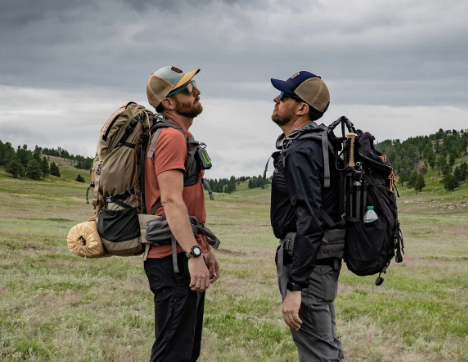
When it comes to hiking, the type of gear you select can greatly influence your overall experience. The distinction between professional hiking gear and recreational hiking gear is significant, as each serves a different purpose suited to varying levels of intensity and terrain. Understanding the differences can help you optimize your adventures, whether you are a casual hiker or a seasoned mountaineer.
1. Understanding Professional Hiking Gear
Professional hiking gear is designed for durability and performance at extreme levels. This type of equipment often features advanced technology and high-quality materials to withstand harsh conditions. For example, professionals often rely on layering systems that include moisture-wicking base layers, insulating mid-layers, and weatherproof outer shells, tailored for specific activities and environmental challenges.
These products are often tested in extreme conditions and engineered for superior functionality. For instance, technical backpacks may include features like hydration reservoirs, reinforced straps, and ventilated designs to enhance carrying comfort. Shoes designed for professional hikes will have superior traction, durable construction, and features that cater to specific terrains, making them essential for serious mountaineering.
-
- Invest in high-quality waterproof jackets for rain protection.
-
- Select specialized footwear based on expected terrain.
-
- Choose technical backpacks with adjustable ventilation systems.
-
- Consider layered clothing to adapt to changing weather conditions.
2. Recreational Hiking Gear Essentials
Recreational hiking gear caters to those who hike for leisure, focusing on comfort and accessibility. This gear is often more affordable and designed for less demanding trails. For example, standard hiking boots made for casual hikes prioritize comfort over technical features. They may not provide the same level of grip or support as professional gear but are adequate for well-marked and maintained trails.
Additionally, recreational hikers may not need all the specialized features found in professional gear. A simple daypack, basic walking sticks, and weather-resistant outerwear can often suffice. While this type of equipment may lack some advanced features, it can still provide a satisfying hiking experience for occasional adventurers looking to spend a day in nature.
-
- Choose comfortable, budget-friendly hiking shoes for short trails.
-
- Purchase a simple daypack that fits your essentials.
-
- Bring along a water bottle and snacks to stay energized.
-
- Wear layered clothing that can be easily adjusted.
3. Cost Considerations and Value
The cost of hiking gear can vary greatly between professional and recreational options. High-end professional gear often comes with a hefty price tag due to its advanced features and durability. However, investing in quality gear can save money in the long run, as these items tend to last much longer than cheaper alternatives. When tackling challenging trails, the added safety and comfort of professional gear can justify the cost.
On the other hand, if you are a casual hiker, spending a fortune on professional gear may not be necessary. You can find reliable and functional recreational options that fit your budget without compromising your comfort during an enjoyable day hike. Researching brands and looking for sales can help you find great deals on quality gear suitable for your hiking needs.
-
- Set a budget before shopping for hiking gear.
-
- Look for sales and discounts online and in stores.
-
- Read reviews to compare the value of different products.
-
- Consider renting high-end gear if you’re trying it out for the first time.
4. Safety and Performance
One of the most crucial differences between professional and recreational hiking gear refers to safety and performance. Professional gear often comes with features like enhanced visibility, additional padding, and support, which are essential during long and strenuous hikes. Gear such as climbing harnesses and helmets offers safety that may not be present in recreational options, making them a non-negotiable for serious climbers and trekkers.
Furthermore, gear meant for casual hiking may not provide the same level of weather protection or support needed for diverse environments. For instance, a pair of recreational hiking boots may not perform well in mud or rocky trails. If safety is your priority, selecting professional gear for challenging hikes may be the better option.
-
- Always prioritize safety features in your hiking gear.
-
- Research the terrain and choose gear that meets those demands.
-
- Consider your experience level when selecting safety equipment.
-
- Join hiking groups to learn more about the best gear for your needs.
Understanding the differences between professional and recreational hiking gear is essential for an enjoyable and safe experience. Whether you plan to hike casually or tackle technical trails, the right gear will enhance your adventure. So, take the time to assess your needs, research your options, and invest wisely in gear that suits your hiking style.