
For minimalist hikers, carrying less is often the key to enjoying the great outdoors. Lightweight hiking gear can enhance mobility, reduce fatigue, and make every trek an enjoyable experience. Let’s delve into the essentials that every minimalist hiker should consider for their next adventure!
1. The Importance of a Lightweight Backpack
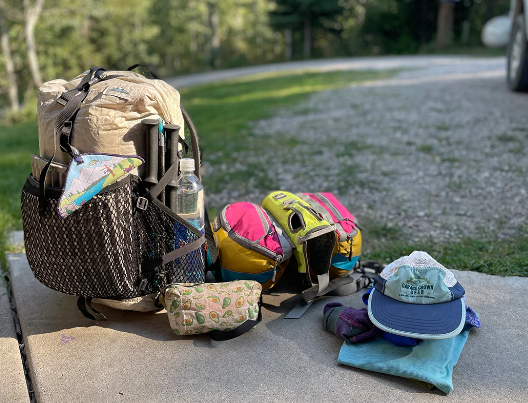
Choosing the right backpack is crucial for minimalist hikers. A lightweight backpack not only reduces the overall weight but also ensures comfort during long treks. Look for materials like Dyneema or ripstop nylon, which combine durability with a light footprint. Explore models with a capacity of 40L or less, which are perfect for day hikes or quick overnight trips.
When selecting a backpack, it’s essential to consider features such as suspension systems and pockets. A well-designed suspension can help distribute weight more evenly, making the pack feel lighter throughout your hike. Additionally, pockets can be convenient for organizing small items like snacks and tools, reducing time spent rummaging through your pack.
-
- Choose a backpack under 40L for day hikes.
-
- Look for lightweight materials such as Dyneema.
-
- Consider packs with good suspension systems for comfort.
-
- Check for multiple pockets to stay organized.
2. Lightweight Clothing and Footwear Choices
Clothing plays an integral role in the minimalist approach to hiking. Opt for moisture-wicking fabrics that dry quickly and offer good breathability. Materials like merino wool and synthetic fibers can keep you cool and comfortable, reducing the need for multiple layers. A lightweight, packable jacket can be a lifesaver if unexpected weather strikes.
When it comes to footwear, minimalist hikers should prioritize lightweight, supportive shoes or trail runners. Look for shoes with good grip and a flexible sole designed for various terrains. This not only provides comfort but also enhances your overall hiking experience by allowing for natural foot movement.
-
- Choose moisture-wicking fabrics for your base layers.
-
- Invest in a lightweight packable jacket.
-
- Opt for trail runners or lightweight hiking shoes.
-
- Ensure footwear provides good traction and support.
3. Essential Cooking and Hydration Gear
When hiking with a minimalist mindset, cooking and hydration gear should be both compact and efficient. A small, lightweight camping stove or a compact cooking system can go a long way in reducing the burden. Consider options like the Jetboil Flash, which is easy to pack and very efficient in boiling water or cooking meals quickly.
Hydration is equally important. A lightweight hydration bladder can help keep water close at hand, while collapsible water bottles take up less space when they’re empty. Make sure to also include a reliable water filter or purification tablets if you’re hiking in less-traversed areas where water sources may not be clean.
-
- Choose a compact cooking system, like the Jetboil.
-
- Opt for lightweight hydration bladders for easy sipping.
-
- Consider collapsible water bottles for easy storage.
-
- Always carry a water purification method, like tablets or filters.
4. Navigational Tools for Minimalist Hikers
Even minimalist hikers need navigational tools to avoid getting lost in the wilderness. While traditional maps and compasses are reliable, there are also lightweight GPS devices or smartphone apps designed specifically for outdoor navigation. Ensure that whatever you choose is lightweight yet functional; apps like AllTrails can provide essential trail information without the weight of a physical guidebook.
Familiarizing yourself with these tools before your hike is equally important. Practice using your GPS app or compass at home to build confidence. Knowing how to navigate efficiently will free you from carrying excessive navigational gear, staying true to the minimalist ethos.
-
- Use lightweight GPS devices or smartphone apps for navigation.
-
- Get familiar with maps and compasses before your hike.
-
- Download offline maps if using a smartphone app.
-
- Check batteries and charging before heading out.
Minimalist hiking requires a thoughtful approach to gear selection. By focusing on lightweight, essential items, you can enhance your hiking experience without unnecessary burdens. Embrace the minimalist mindset and start planning your next adventure today!