
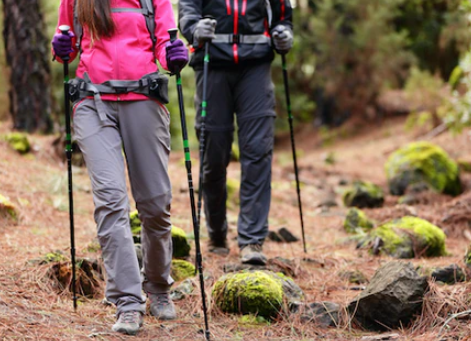
Hiking poles are invaluable tools that enhance stability and efficiency on the trail. Whether you’re a seasoned hiker or just starting out, understanding how to use these poles effectively can greatly improve your hiking experience. Below, we outline practical tips to help you maximize the benefits of hiking poles.
1. Choosing the Right Poles
Before you can enjoy the advantages of hiking poles, it’s essential to select the right ones for your needs. Consider materials such as aluminum or carbon fiber, as these determine weight and durability. Some poles come with adjustable lengths which are helpful for different terrains and user heights, while others are fixed. Ensure you select poles that feel comfortable when held in your hands, as you will be relying on them for balance and support.
In addition to weight and construction, explore the grip style and strap configurations. Cork handles offer breathability and comfort, while foam grips are lightweight and can absorb sweat. A wrist strap can enhance your grip without straining your hands, preventing drops and making elevation changes easier to navigate.
-
- Find the right material that balances weight and durability.
-
- Look for adjustable poles to cater to various terrains.
-
- Choose grip styles that feel comfortable.
-
- Test the poles before purchasing to ensure they meet your needs.
2. Proper Techniques for Use
Using hiking poles correctly can drastically improve your hiking efficiency. As you walk, aim to plant your pole opposite to your foot. This technique provides better balance and helps distribute your weight evenly. It’s important to maintain a natural arm movement; your elbows should be slightly bent while holding the poles just below shoulder height. A good rule of thumb is keeping your poles at a 90-degree angle when standing still.
On steep descents, your poles become even more vital. By planting them firmly in front of you, you can relieve tension in your knees and lower back. The poles help you maintain your balance while controlling your speed downhill, making the descent feel less daunting. Aim to coordinate your stride with your pole placement to ensure smooth movement.
-
- Use the opposite pole for balance with your foot.
-
- Keep your elbows slightly bent for comfort.
-
- Plant poles firmly when descending steep sections.
-
- Coordinate pole use with your walking rhythm.
3. Adjusting for Different Terrain
Different terrains require different techniques and adjustments when using hiking poles. For instance, when traversing rocky paths, you’ll want to use your poles to feel out the terrain ahead of you. Place them firmly on the ground to check the stability before stepping. In contrast, on flat surfaces, you can keep a lighter grip and use your poles more for propulsion than balance.
On uneven or technical terrain, shorten your poles to maintain control and responsiveness. This adjustment gives you more leverage and allows for quicker movements. Conversely, when on flat ground or uphill sections, extend your poles to increase your stride and pace. This dynamic adjustment is crucial for maintaining your energy and ensuring a more comfortable hike.
-
- Use poles to assess rocky paths for stability.
-
- Shorten poles for technical or uneven terrain.
-
- Extend poles when navigating flat or uphill sections.
-
- Adjust your grip based on the terrain for maximum efficiency.
4. Benefits of Using Hiking Poles
The benefits of using hiking poles extend far beyond just stability; they can enhance endurance and reduce fatigue. When hiking with poles, you engage your upper body, which can reduce the strain on your legs during extended hikes. This reduced fatigue allows for longer, more enjoyable outings without the excessive wear and tear associated with long-distance hiking.
Hiking poles can also assist with balance when carrying a heavy backpack. When you distribute your weight more evenly with the help of poles, it alleviates pressure points, allowing you to hike further with less discomfort. Additionally, using poles can help reduce the impact on your joints, especially during long descents, making hiking a more sustainable activity as you age.
-
- Engage your upper body for a more balanced workout.
-
- Reduce strain on your legs and joints.
-
- Enhance endurance for longer hikes.
-
- Alleviate pressure points while carrying a backpack.
In conclusion, properly using hiking poles can elevate your hiking experience, providing balance, support, and enhanced endurance. As you hit the trails, remember to select the right poles, employ effective techniques, and adjust for different terrains. Happy hiking!