
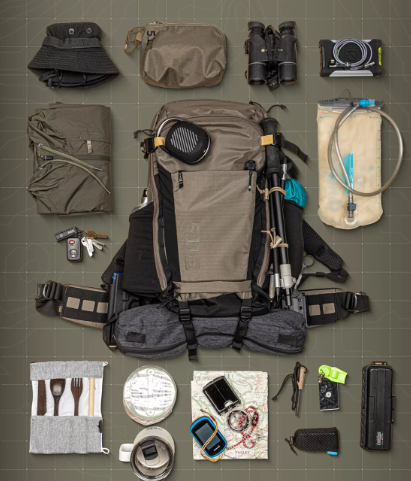
Packing hiking gear efficiently can make or break your outdoor adventure. When done right, it can enhance comfort, safety, and your overall hiking experience. This guide will help you streamline your packing process so you can hit the trail without any hassle.
1. Assess Your Hiking Needs
Before you even start packing, it’s essential to consider the specifics of your hiking trip. Are you going on a day hike, or will it be an overnight adventure? The length of the hike, terrain, weather conditions, and your fitness level should all play a role in determining what gear you need to take. For instance, a lightweight day hike requires significantly less equipment than an extended backpacking trip.
Furthermore, think about the season. If you’re hiking in colder conditions, you’ll need to pack accordingly with thermal layers and additional food sources for energy. Conversely, summer hikes typically require lighter clothing and hydration packs. Making a list of your hiking essentials can help you visualize what you will need.
-
- Determine the hike duration and difficulty level.
-
- Research the expected weather conditions.
-
- Create a checklist of necessary gear.
-
- Consider any potential emergencies (first aid, extra food).
2. Choose the Right Pack
Your backpack is the backbone of your hiking gear, making it vital to choose the right size and style. A daypack is typically sufficient for shorter hikes, allowing you to carry basic items without extra bulk. For longer hikes, look for a multi-day pack that can accommodate more gear, food, and water. Also, check for features like adjustable straps, hip belts, and compartments which help distribute weight evenly.
It’s equally important to ensure your pack is comfortable. Load your gear according to the weight’s importance: heavier items at the bottom and closest to your back, as this maintains balance. Packs with a vented back can help maintain airflow, especially in warmer conditions.
-
- Select a pack appropriate for the length of the hike.
-
- Ensure the pack fits your body well.
-
- Load gear strategically for weight distribution.
-
- Test the pack before departure to ensure comfort.
3. Organize Your Gear Effectively
Once you have selected your pack, the next step is to efficiently organize your gear within it. Use packing cubes or stuff sacks to categorize your items based on their use. For instance, keep all cooking gear in one bag and clothes in another. This not only saves time when searching for items but also maximizes space within your pack.
Another tip is to utilize all available space, such as filling your sleeping bag sack with clothes or other small items. Additionally, you might want to keep certain items easily accessible—like snacks, a map, or a first-aid kit—by storing them in outer pockets. This way, you don’t have to dig through your entire bag to reach them.
-
- Use packing cubes to categorize your items.
-
- Maximize space by filling every nook and cranny.
-
- Keep essential items in outer pockets for easy access.
-
- Label bags if necessary for quicker identification.
4. Prepare for Emergencies
No one wants to think about the possibility of an emergency, but it’s vital to be prepared. Packing a well-stocked first-aid kit is just as important as bringing food and water. Check to ensure it includes fundamental supplies such as bandages, antiseptics, and pain-relief medication. Also, consider carrying a whistle, a multi-tool, or a fire-starting kit depending on your hiking location and forecast.
Moreover, if you’re hiking in remote areas, make sure someone knows your hiking plan and estimated return time. This is especially critical if you’re hiking alone. GPS devices can be valuable, but also consider traditional maps to navigate, especially if you are heading into areas with poor signal reception.
-
- Pack a comprehensive first-aid kit.
-
- Include emergency supplies like a whistle and multi-tool.
-
- Let someone know your hiking itinerary.
-
- Carry a physical map as a backup to GPS.
In conclusion, efficient packing for a hiking trip not only makes your journey smoother but also contributes to your safety and enjoyment. Start by assessing your needs, selecting the right gear, and organizing effectively. Take these steps, and you’ll be well on your way to a delightful hiking experience!