
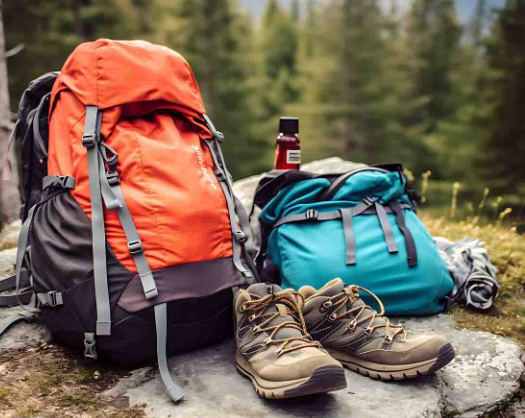
Hiking is an invigorating way to connect with nature and enjoy some physical activity. However, your adventure is only as good as your gear, and maintaining it properly can extend its lifespan significantly. Here’s a comprehensive guide to keeping your hiking gear in top shape for years to come.
1. Cleaning Your Gear
Regularly cleaning your hiking gear is essential for its longevity. Dirt, mud, and moisture can accumulate and cause premature wear and tear. For example, after a hiking trip, make sure to remove any visible dirt with a damp cloth. If your gear is machine washable, follow the manufacturer’s instructions closely to avoid damaging it. This is particularly true for items like jackets and pants that can lose their waterproof properties if cleaned incorrectly.
Another vital aspect of cleaning is drying your gear properly. Avoid leaving wet items in your backpack for extended periods, as this can lead to mold growth and odors. Instead, let gear dry completely in a well-ventilated space away from direct sunlight, which can fade colors and weaken materials. For items like sleeping bags, ensure they are fluffed up and aired out to maintain insulation quality.
-
- Wipe down gear after each use, especially in muddy conditions.
-
- Check care labels for washing instructions.
-
- Use specialized cleaners designed for outdoor gear.
-
- Avoid fabric softeners, which can damage technical materials.
-
- Dry items thoroughly before storing them away.
2. Inspecting and Repairing Gear
Frequent inspections can help catch problems early before they develop into more significant issues. Check for rips, tears, and worn-out areas on your gear. For instance, inspect your backpack for frayed straps, zippers that won’t zip, or seams that have come undone. Some issues can be quickly fixed at home, while others might require professional attention.
Learning basic repair skills can also be beneficial. Knowing how to sew a small tear or replace a zipper can save you money and ensure your gear remains functional. Carrying a small repair kit while hiking can also help you manage minor issues on the trail. This kit can include items like patches, sewing needles, and a repair adhesive for emergencies.
-
- Perform visual inspections after each hike.
-
- Repair minor damage immediately to prevent worsening.
-
- Invest in a basic repair kit for emergencies.
-
- Use waterproof adhesive for quick fixes on the trail.
-
- Consult a professional for significant repairs.
3. Proper Storage Techniques
How you store your gear can significantly affect its lifespan. Always store items in a cool, dry place away from direct sunlight. For instance, tents should be stored loosely to maintain their waterproof coatings, while sleeping bags should be kept uncompressed in a breathable storage bag. Proper storage prevents degradation and helps maintain the integrity of technical fabrics.
Additionally, consider using gear organizers to keep your equipment sorted and easily accessible. This can prevent accidental damage from items being piled poorly on top of each other. In climates prone to humidity, using moisture-absorbing packets can help protect your gear from mildew and moisture damage. Items like headlamps and navigation tools should also be checked to ensure their batteries are removed when stored to prevent leakage.
-
- Store gear in a cool, dry place out of direct sunlight.
-
- Use breathable storage bags for tents and sleeping bags.
-
- Organize your gear to prevent accidental damage.
-
- Remove batteries from electronics when storing.
-
- Check gear periodically while in storage for any signs of damage.
4. Routine Maintenance Assessments
Regular maintenance assessments can go a long way toward extending the life of your gear. Set a schedule to check your gear, perhaps once every season or after certain hiking trips. For instance, checking your hiking boots for signs of wear on the soles and ensuring that the waterproof features are still effective is essential to stay comfortable on the trail.
Take note of items that may need replacement or significant repairs during these assessments. Recognizing when to invest in a new piece of gear versus fixing an old one can save you headaches and ensure you’re always ready for your next adventure. Additionally, consider rotating your gear based on the season and type of hiking you plan to undertake, which can reduce wear on a single set of items.
-
- Schedule regular check-ins for your gear.
-
- Keep a log of repairs and maintenance activities.
-
- Assess the condition of all items before each hiking season.
-
- Rotate gear usage to spread out wear and tear.
-
- Look for alternative uses of your gear in different activities.
In conclusion, maintaining your hiking gear requires a combination of cleaning, inspecting, storing, and routine assessments. By creating a maintenance schedule and being proactive, you can ensure that your gear remains in excellent condition, allowing you to focus on enjoying the great outdoors. So, take a moment to assess your gear today; your future adventures will thank you!