
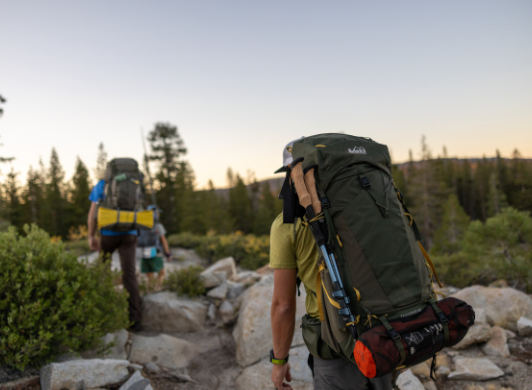
Choosing the right hiking backpack size is crucial for a comfortable and enjoyable outdoor experience. A well-fitted backpack not only improves your hiking performance but also helps to prevent injuries. In this post, we’ll explore practical tips for selecting the best size backpack for your adventures.
1. Understand Your Hiking Needs
Before you dive into the specifics of backpack sizes, it’s essential to assess your hiking needs. Consider the type and length of hikes you typically undertake. For day hikes, a smaller backpack (around 20-30 liters) may suffice, while multi-day excursions might require larger packs (50 liters and above). Identifying your specific requirements will help narrow down your options significantly.
Another factor to think about is the season and gear you’ll be carrying. In winter, you’ll likely need extra layers, space for hydration systems, and possibly cooking gear. In contrast, summer hikes might only require minimal gear. Each of these scenarios demands a different backpack size, making it vital to evaluate your anticipated hiking conditions.
-
- Identify the length of your hikes.
-
- Consider the amount and type of gear you need.
-
- Evaluate the season and weather conditions.
-
- Plan for hydration and food requirements.
2. Know How to Measure Your Torso Length
Your torso length plays a significant role in determining the right backpack size. A pack that fits your torso will distribute weight evenly, reducing strain on your back. To measure your torso, have someone help you find the base of your neck to the top of your hip bones. This measurement helps in selecting a backpack that sits properly on your back.
When trying on backpacks, adjust the straps and hip belt to ensure they correspond well to your measurements. An ill-fitting backpack can create discomfort, leading to fatigue during your hike. Additionally, always check for sales staff recommendations when shopping in-store; their expertise can point you toward the right size for your torso.
-
- Measure your torso length accurately.
-
- Try on backpacks to assess fit.
-
- Ensure hip belts and straps are adjustable.
-
- Seek help from sales staff for advice.
3. Consider Volume and Load Capacity
The volume of a backpack is measured in liters and indicates how much gear it can hold. Understanding different volume categories helps pick the right backpack size. Packs ranging from 20-30 liters are generally suitable for day hikes, while those between 40-60 liters are ideal for weekend trips. Moreover, when planning for a multi-day trek, it’s wise to consider a volume of 60 liters and above, ensuring space for food, clothing, and necessary equipment.
When it comes to load capacity, it’s essential to adjust the weight of your pack according to your physical fitness level and hiking experience. Carrying too much weight can tire you out quickly, whereas an appropriately loaded pack will help maintain your energy. An effective rule of thumb is to keep your backpack weight to no more than 20% of your body weight.
-
- Identify the volume you need based on trip length.
-
- Adjust your load capacity according to fitness levels.
-
- Keep pack weight within 20% of your body weight.
-
- Choose a pack with multiple compartments for better organization.
4. Factor in Personal Comfort and Features
Comfort in a hiking backpack often depends on its design features. Look for padded shoulder straps and breathable mesh backs to keep you cool on the trail. Adjustable waist straps can also provide support and distribute weight efficiently. When selecting a backpack, consider the number of pockets and compartments for organizing gear, as this can greatly enhance comfort during your hike.
Moreover, think about additional features that align with your hiking style, like hydration reservoir sleeves or rain covers. If you frequently hike in wet weather, a waterproof material can also be a deciding factor. The right features can elevate your experience by ensuring that you have easy access to your gear and remain comfortable throughout your hike.
-
- Look for padded, adjustable straps.
-
- Consider breathable and lightweight materials.
-
- Check for hydration compatibility.
-
- Explore additional features like rain covers or extra pockets.
In conclusion, selecting the ideal hiking backpack size is essential for a comfortable outdoor journey. By understanding your specific hiking needs, measuring your torso accurately, considering volume and load capacity, and factoring in comfort, you can make an informed choice. Get out there, explore the great outdoors, and don’t hesitate to consult professionals for expert advice tailored to your adventures!