
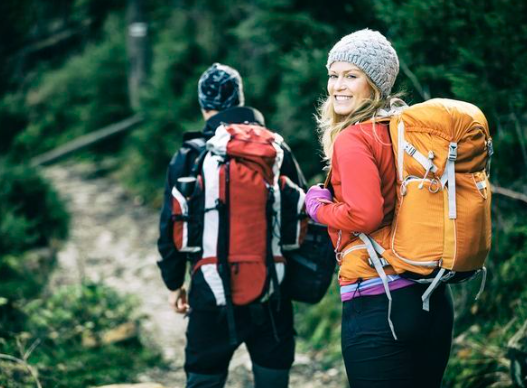
Choosing the right hiking gear is essential for a comfortable and enjoyable experience, especially when considering the type of terrain you’ll encounter. From rocky paths to muddy trails, each environment has its specific gear requirements, and understanding these can make all the difference.
1. Navigating Rocky Terrain
When hiking in rocky terrain, your boots should be your top priority. Look for sturdy, ankle-supporting hiking boots with a rugged outsole designed to grip uneven surfaces. Additionally, materials like leather or synthetic uppers provide durability against sharp rocks and abrasions, ensuring they withstand rough conditions while keeping your feet safe and comfortable.
Besides footwear, don’t overlook protective gear, such as knee pads or gaiters. These can protect your legs from scrapes and keep dirt and debris out of your boots. As you prepare, consider packing a first aid kit specific to injuries that might occur in rugged terrain, such as blisters or minor scrapes.
-
- Choose boots with a stiff sole for better footing.
-
- Wear long pants for leg protection.
-
- Carry a lightweight first aid kit for emergencies.
-
- Use trekking poles for added stability and support.
2. Preparing for Wet and Muddy Trails
Wet and muddy trails require gear that can handle moisture. Waterproof boots are a must; look for options lined with breathable but waterproof materials like Gore-Tex. Ensure your shoes have good traction to prevent slipping on mud and wet rocks, which can be major hazards on such trails.
In terms of clothing, opt for moisture-wicking and quick-drying fabrics. Layering is crucial, as it allows you to adapt to changing weather conditions. Waterproof jackets and pants can keep you dry, but make sure they are breathable enough to prevent overheating during your hike.
-
- Choose waterproof hiking boots with excellent tread.
-
- Pack a waterproof jacket and pants for rain protection.
-
- Wear synthetic or wool base layers for moisture management.
-
- Check weather conditions before your hike to prepare accordingly.
3. Tackling Alpine and High-Altitude Trails
Hiking in alpine or high-altitude environments demands special attention to your gear due to the colder temperatures and potential for snow. Insulated and windproof jackets are essential, as are base layers designed to trap warmth while allowing sweat to escape. Don’t forget thermal gloves and hats, as extreme temperatures can lead to hypothermia if you’re not adequately prepared.
Besides clothing, consider the altitude’s impact on your equipment as well. Lightweight gear is critical here since every ounce counts when navigating steep, rugged trails. Look for lightweight tents and sleeping bags if you’re camping, as well as ultra-lightweight cooking gear that can withstand various weather conditions.
-
- Select insulated, lightweight outer layers to retain heat.
-
- Choose gear with a high warmth-to-weight ratio.
-
- Bring extra layers for unpredictable weather changes.
-
- Familiarize yourself with altitude sickness symptoms and preparedness.
4. Essentials for Forest and Woodland Hiking
When hiking through forests or wooded areas, breathable and lightweight clothing is essential as these environments can often be humid. Opt for moisture-wicking fabrics to enhance comfort during your trek. Additionally, because forest paths can be uneven or overgrown, sturdy, supportive footwear is essential to navigate roots and rocks effectively.
Don’t forget about insect protection in wooded areas. Insect repellent is a must, especially during warmer months when ticks and mosquitoes are prevalent. Additionally, carrying a lightweight backpack with compartments for easy access to gear can ensure you’re prepared for whatever the trail throws your way.
-
- Use moisture-wicking and breathable fabrics.
-
- Bring insect repellent to ward off bugs.
-
- Choose trail shoes with good support and grip.
-
- Prepare a compact first aid kit for minor injuries.
Choosing the right hiking gear for different terrains is integral to ensuring a safe and enjoyable experience. As you prepare for your next hike, take the time to consider your terrain and outfit yourself accordingly. Happy hiking, and remember to tread lightly!