
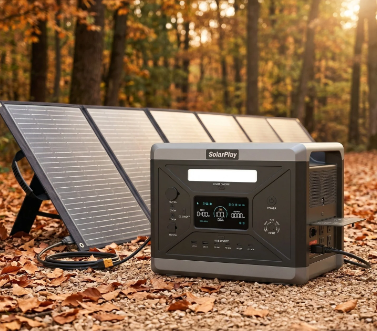
Camping is a wonderful way to connect with nature, and having a reliable power source can enhance your experience significantly. A portable power station can provide you with the energy you need for lights, devices, and other essentials. However, selecting the right one can be daunting with so many options available.
1. Understand Your Power Needs
Before you even start looking at specific models, it’s crucial to assess your energy requirements. Consider what devices you plan to use while camping. For example, if you want to charge your phone, run a portable refrigerator, or power a small electric grill, each of these items will have different power consumption needs, typically measured in watts. Check the specifications of your devices to determine their combined wattage requirements.
Another important factor is the duration of your camping trip. If you’re planning to be out in the wild for several days, you need a power station with enough capacity (measured in watt-hours) to keep your devices charged over that period. By calculating your overall energy needs, you’ll have a clearer idea of the kind of portable power station required.
-
- Make a list of devices you want to power.
-
- Check watt and watt-hour ratings for each device.
-
- Calculate total wattage and duration of use.
-
- Consider your camping trip length for power needs.
2. Portability and Weight
Portability is often a deciding factor when choosing a power station for camping. You need something that can easily fit into your vehicle or backpack without adding excessive weight. Many campers prefer lithium-ion batteries because they are lighter and more compact compared to traditional lead-acid batteries. Keep in mind that while larger models may offer more power, they can be difficult to transport.
When assessing the right weight, consider how far you will have to carry the power station from your vehicle to your campsite. Lightweight models are more manageable if you’ll be trekking a long distance. However, ensure you’re still getting a power station that meets your wattage needs, as a heavier model might sometimes offer more versatility.
-
- Check the weight specifications of the model.
-
- Compare size dimensions for storage.
-
- Look for ergonomically designed handles for easier carrying.
-
- Choose lightweight lithium models if portability is essential.
3. Output Options and Compatibility
The type of output ports can greatly affect how versatile the portable power station is for you. Different devices require different kinds of ports—USB ports for mobile phones, AC outlets for larger appliances, and DC ports for car accessories. Make sure that the model you choose has the right mix of output options based on your needs.
Compatibility is also key. Some power stations may have limited output options that aren’t compatible with your devices. For example, a power bank designed primarily for phones won’t be useful for devices requiring AC power. Always check for multiple output types to ensure you can charge everything you plan on bringing.
-
- Identify the types of devices you plan to use.
-
- Ensure the power station has various output options.
-
- Verify that the ports match your devices (USB, AC, etc.).
-
- Look for models with fast charging capabilities.
4. Battery Life and Rechargeability
Battery life should be a major consideration when choosing a portable power station. A high-quality station will have a longer lifespan and can often be recharged multiple times without significant degradation. Look for stations that use lithium-ion batteries, as they generally offer better longevity and faster recharge times compared to other types of batteries.
Additionally, rechargeability options are important. Some power stations can be charged via solar panels, which can be particularly useful during extended trips. Others may only rely on standard electrical outlets. Having multiple charging options increases the station’s versatility and can be a lifesaver in remote locations.
-
- Research battery technology (lithium-ion is usually best).
-
- Check the cycle count, or how many times the battery can be recharged.
-
- Look for solar recharge options if camping off-grid.
-
- Consider models with fast recharge rates for convenience.
5. Price and Warranty Considerations
Finally, budget is always a key factor when choosing a portable power station. Prices can vary widely based on the features and capacity. Set a budget based on the power needs and features discussed earlier, but also consider the longevity and reliability of the model. Sometimes, spending a bit more upfront can save you money in the long run due to fewer replacements.
In addition to price, don’t forget to check warranty information. A good warranty can provide peace of mind, letting you know that you can rely on the product for years to come. Ensuring the product comes from a reputable brand often makes the warranty more trustworthy.
-
- Determine your budget based on power needs.
-
- Compare prices across different models.
-
- Look for reputable brands with good reviews.
-
- Check warranty and customer support options.
In conclusion, choosing the right portable power station for camping involves understanding your power needs, focusing on portability, and ensuring compatibility with your devices. Investing the time to evaluate these factors will enhance your camping experience significantly. Don’t hesitate to engage with expert reviews or customer feedback as you make your choice!