
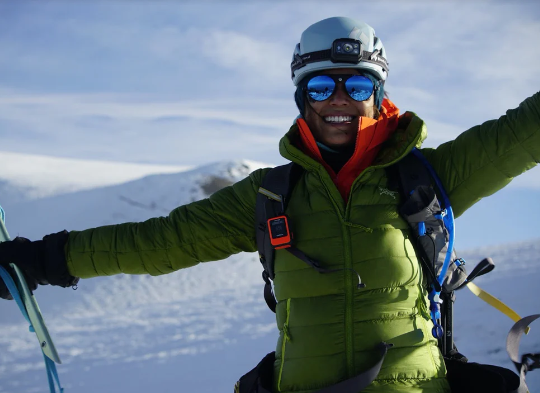
Choosing the right hiking jacket for layering can make a significant difference in your outdoor experience. A good jacket not only protects you from the elements but also enhances your comfort as you tackle various terrains and weather conditions. Here’s a guide to help you make an informed decision when selecting your ideal hiking jacket.
1. Understanding the Different Types of Jackets
The first step in choosing a hiking jacket is to understand the different types available. Typically, jackets are categorized into three main types: waterproof, insulated, and softshell. Waterproof jackets are great for rain protection, keeping you dry during wet hikes. Insulated jackets, on the other hand, are perfect for cold weather, providing warmth through materials like down or synthetic insulation.
Softshell jackets are versatile, offering some water resistance along with breathability, making them suitable for moderate weather and active use. Knowing these distinctions will help you select a jacket that fits the specific conditions you plan to hike in.
-
- Assess your typical hiking conditions (temperature, rain, wind).
-
- Consider how much insulation you need.
-
- Evaluate breathability based on the intensity of your hikes.
-
- Research jacket materials and their benefits.
2. Fit and Features: A Perfect Match
Finding the right fit is crucial for layering effectively. A hiking jacket should allow for the layering of base and mid layers while not being too loose or too tight. Ideally, your jacket should sit comfortably over other layers and still allow for full range of motion during activities like reaching or climbing.
In addition to fit, consider the features your jacket includes. Look for adjustable cuffs, hoods, and hemlines to secure warmth and prevent icy gusts from sneaking in. Ventilation options, like pit zips, can make it easier to regulate body temperature during strenuous hikes, giving you more comfort on the trail.
-
- Try on jackets with base and mid layers to check fit.
-
- Look for adjustable features for customization.
-
- Ensure the jacket allows for good movement.
-
- Check for ventilation openings to avoid overheating.
3. Material Matters: The Right Fabric Choices
The materials used in hiking jackets play a significant role in their performance. Fabrics like Gore-Tex or eVent provide superior waterproofing and breathability, while synthetic materials are often lighter and dry faster. Natural materials such as wool or down offer excellent insulation but may not perform well in wet conditions, so it’s important to choose based on the weather you expect.
Moreover, consider the jacket’s weight and packability. If you’re planning multiple days of hiking, a lightweight compact jacket will be easier to carry and manage on the trail. Researching technical details, like the denier (a measure of the fiber’s thickness), helps you gauge durability and lifespan.
-
- Opt for waterproof, breathable fabrics for wet hikes.
-
- Choose lightweight materials for multi-day trips.
-
- Research fabric denier for durability.
-
- Consider fabric care and maintenance for longevity.
4. Budget and Brand: Making an Informed Choice
While it can be tempting to look for the cheapest option, investing in a quality hiking jacket is essential for comfort and safety. That said, set a realistic budget based on how often you plan to hike and the importance of the conditions you’ll encounter. Popular outdoor brands often offer warranties and customer support, which could give you added peace of mind.
When selecting a brand, consider their reputation for sustainability and ethical manufacturing. Many outdoor enthusiasts prefer brands that prioritize environmentally friendly practices. Reading reviews or talking to fellow hikers can provide insight into which brands perform best under various conditions, helping you narrow down your choices.
-
- Set a budget based on your hiking frequency and conditions.
-
- Research brand reputations and customer reviews.
-
- Look for warranties or satisfaction guarantees.
-
- Consider the sustainability practices of the brand.
Choosing a hiking jacket for layering is a thoughtful process that can significantly enhance your outdoor adventures. By understanding jacket types, fit, materials, and budget considerations, you can select a piece that not only meets your needs but also keeps you comfortable on the trail. Take the time to consult experts or seasoned hikers to further refine your options, and don’t hesitate to try out different jackets to find the best fit for your next adventure!