
Hiking is a beloved pastime for many, offering the chance to connect with nature and stay active. However, the longevity of hiking gear is crucial for both performance and safety. Understanding how long your gear typically lasts can help you make informed purchasing decisions and maintain your equipment effectively.
1. Footwear: The Foundation of Your Adventure
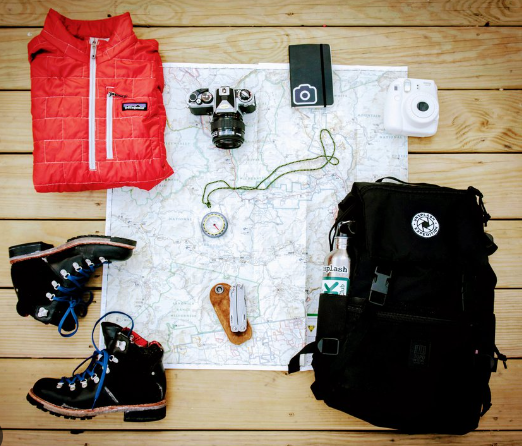
Your hiking shoes or boots are arguably the most essential piece of gear, designed to support your feet over varied terrain. Depending on how often you hike and the type of conditions you encounter, footwear can last anywhere from 500 to 1,000 miles. For instance, lightweight trail shoes tend to wear out faster than sturdier boots, especially when navigating rocky trails. Environmental factors such as humidity, temperature, and exposure to mud can further influence how quickly they deteriorate.
Regular inspections are key to maximizing your footwear’s lifespan. Lace hooks, soles, and waterproof membranes should be monitored for wear. If you notice uneven wear, it might be time to replace them to prevent injuries such as sprains or blisters on your next hike.
-
- Check the tread pattern for signs of wear.
-
- Look for cracks in the soles or worn-out areas.
-
- Clean them regularly to remove dirt and mud.
-
- Store them away from direct sunlight or extreme temperatures.
2. Backpacks: Carrying Your Essentials
A good hiking backpack is another critical element of your outdoor experience. Depending on its material and construction, a high-quality backpack can last anywhere from five to ten years. Factors such as usage frequency, terrain, and load weight will all affect its lifespan. A backpack used for daily hikes on rugged terrain will show signs of wear sooner than one used occasionally on easier trails.
Common areas where backpacks can wear out include zippers, seams, and straps. Checking for these weak points can help you gauge when it’s time for an upgrade. Additionally, treating your backpack with waterproofing sprays can enhance its durability against the elements, ensuring that your gear stays dry during unexpected downpours.
-
- Inspect zippers and seams regularly.
-
- Use waterproofing sprays on the fabric.
-
- Don’t overload your backpack.
-
- Store it in a cool, dry place.
3. Hiking Poles: Support Your Path
Hiking poles can drastically change the way you experience the outdoors, providing extra stability and reducing strain on your legs during long treks. Generally, quality hiking poles can last about three to five years, depending on usage. If you frequently hike in rugged areas or on technical trails, the wear can increase significantly due to impacts and friction against the ground.
Proper maintenance is essential for extending the life of your hiking poles. Regularly check for cracks in the pole sections and wear on the rubber tips, as damaged poles can pose safety risks. Additionally, ensure that the locking mechanisms are functioning properly; faulty locks can lead to collapses during a hike.
-
- Clean the poles after each hike to prevent dirt buildup.
-
- Inspect the rubber tips regularly for wear.
-
- Test the locking mechanisms before each hike.
-
- Store them away from direct sunlight to prevent material degradation.
Protecting and properly maintaining your hiking gear can greatly enhance your outdoor experiences. Recognizing wear and tear in your footwear, backpack, and hiking poles can make the difference between a comfortable hike and a potentially dangerous situation. Be proactive about gear end-of-life signs to keep enjoying the trails safely.
In conclusion, staying informed about the longevity of your hiking gear enables you to make smarter choices for your adventures. A little maintenance goes a long way, so keep an eye on your equipment and replace or repair it when necessary. Empower yourself with knowledge and head out into nature with confidence!