
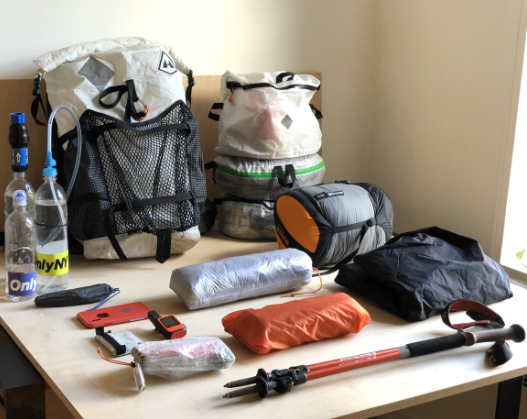
Choosing the right hiking gear can be overwhelming for new hikers, but honest reviews can make the decision easier. In this post, we’ll dive into essential hiking gear, providing you with straightforward insights and practical advice to enhance your hiking experience.
1. Footwear: The Foundation of a Good Hike
Your choice of footwear can make or break your hiking experience. A solid pair of hiking boots or shoes should provide excellent support, traction, and comfort for various terrains. Brands like Merrell and Salomon are popular for their durability and breathability. However, it’s crucial to get the right fit; consider trying on shoes in-store and testing them with the socks you’ll wear on your hike.
When shopping for hiking footwear, look for specific features tailored to your needs. Waterproof options are great for wet conditions, while breathable mesh is better for hot, dry environments. For longer hikes, prioritize cushioned insoles to prevent fatigue and blisters.
-
- Try on shoes in the afternoon when your feet are slightly swollen.
-
- Bring your hiking socks for fit accuracy.
-
- Test the shoes with minor walks before your hike.
-
- Consider local weather conditions when choosing footwear.
2. Backpacks: Carrying Your Essentials
A quality backpack is essential for keeping your gear organized and accessible on the trail. Look for backpacks with features like adjustable straps, multiple compartments, and hydration reservoir sleeves. Popular brands like Osprey and Deuter offer options tailored for day hikes and multi-day treks. The right size depends on the length and type of hike you’re planning—usually, a 20-30 liter backpack suffices for day hikes.
When packing your backpack, balance weight appropriately to ensure stability and comfort. Place heavier items closer to your back and lighter items toward the top. Additionally, consider a pack with external pockets for easy access to items like water bottles or snacks during the hike.
-
- Adjust the straps for a snug yet comfortable fit.
-
- Pack the heaviest items closest to your back.
-
- Consider a backpack with a rain cover for inclement weather.
-
- Organize your gear in separate compartments for easy access.
3. Clothing: Dressing for Success
Selecting appropriate clothing can significantly affect your comfort level on the trail. Layers are key: wear a moisture-wicking base layer, an insulating mid-layer, and a waterproof outer layer to adapt to changing weather conditions. Fabrics like merino wool and synthetic blends are excellent choices for base and mid-layers. Brands like Patagonia and Columbia are known for creating high-quality outdoor clothing.
Don’t forget about accessories! A wide-brimmed hat can protect you from sun exposure, while moisture-wicking socks can prevent blisters. Always check the weather forecast and choose clothing based on anticipated temperature and conditions. Remember, it’s better to have one layer too many than to be caught unprepared.
-
- Opt for moisture-wicking materials.
-
- Check the weather before your hike.
-
- Layer your clothing for maximum comfort.
-
- Bring an extra layer in case of temperature drops.
4. Navigation Tools: Stay on Track
Proper navigation tools can enhance safety and enjoyment while hiking. While smartphones are convenient for navigation apps, having a traditional map and compass as a backup is advisable. Companies like Garmin offer handheld GPS devices that are reliable even in remote areas where signal might be weak. Familiarize yourself with how to use these tools before you head out.
Understanding terrain and trail markers is equally important. Many parks provide visitor centers where you can gather information about trail conditions and navigation guides. Being aware of your surroundings and knowing how to read maps can prevent you from getting lost and help you navigate safely back to your starting point.
-
- Learn how to use both a map and compass before hiking.
-
- Download offline maps for phone navigation if needed.
-
- Check visitor centers for trail info and warnings.
-
- Mark important features on your map ahead of time.
5. Safety Gear: Be Prepared for Anything
No hiker should venture out without safety gear. This includes essentials like a first-aid kit, a flashlight or headlamp, and a multi-tool. Brands like Adventure Medical Kits offer compact and efficient first-aid options tailored for hikers. Being prepared for emergencies can make all the difference in a challenging situation.
It’s also wise to inform someone about your hiking plans, including your route and expected return time. This provides an added layer of safety; if something were to go wrong, emergency services would know where to start looking for you. Always pack extra supplies, like food and water, even on short hikes, as conditions can change unexpectedly.
-
- Always carry a compact first-aid kit.
-
- Inform someone of your hiking plans and route.
-
- Pack a flashlight or headlamp, especially for longer hikes.
-
- Include extra food and water in your pack.
In conclusion, having the right hiking gear is crucial for a safe and enjoyable experience. Take the time to research and try out different products to find what fits you best. Planned and equipped properly, you’ll be ready to tackle the trails with confidence and enthusiasm!