
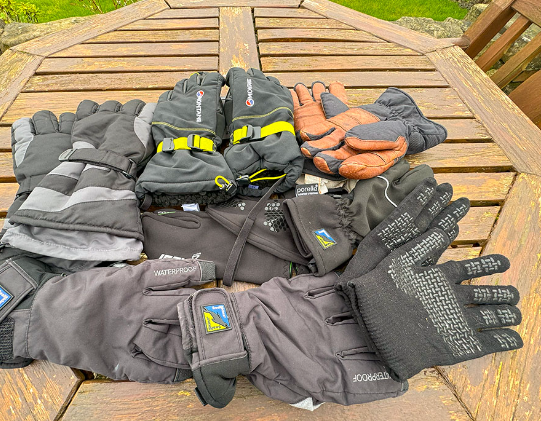
Hiking is a beloved outdoor activity that can offer breathtaking views and a great workout. However, if you’re not adequately prepared, the elements can make your journey uncomfortable or even hazardous. One often overlooked gear component is a good pair of hiking gloves. In this post, we’ll explore when and why hikers should consider investing in a quality pair of gloves.
1. The Weather Factor
One of the main reasons hikers should consider wearing gloves is to protect their hands from harsh weather conditions. Cold temperatures can quickly sap your body heat, and your fingers are particularly susceptible to getting chilly. Gloves can not only provide warmth but also serve as a barrier against wind and moisture, helping to keep your hands functioning effectively during your hike.
Moreover, rain or snow can create slippery surfaces, making it difficult to grip your trekking poles or other equipment. Waterproof gloves help in these situations by ensuring that your hands remain dry and warm, allowing you to maintain a firm grip on your gear. You wouldn’t want to be fumbling around due to freezing or wet hands!
-
- Invest in waterproof or insulated gloves for cold and wet weather.
-
- Look for gloves with wind-resistant materials to block out cold air.
-
- Choose breathable fabrics to prevent sweat accumulation inside your gloves.
-
- Consider layering; thin liners can be added for extra warmth if needed.
-
- Check user ratings for cold-weather gear to find gloves that perform well.
2. Grip and Dexterity
A good pair of hiking gloves can greatly improve your grip on various hiking gear, from trekking poles to tools needed for climbing. If you’re navigating rocky terrains or scrambling up steep hills, having a firm hold can make all the difference. High-quality hiking gloves are typically designed with materials that enhance grip, making it easier to stay secure on uneven surfaces.
Additionally, dexterity is just as crucial on the trail. You don’t want gloves to hinder your ability to perform small tasks like adjusting your gear or taking photos. Look for gloves with a snug fit that allow for movement without being overly tight. This balance of grip and flexibility will prove beneficial, particularly during challenging hikes.
-
- Select gloves that specifically mention grip-enhancing features.
-
- Ensure they fit snugly without compromising breathability.
-
- Opt for gloves with touchscreen compatibility if you want to use your phone.
-
- Test your gloves for dexterity by trying small movements before purchasing.
-
- Consider gloves with reinforced fingertips for durability.
3. Protection from Scrapes and Cuts
During a hike, your hands can be exposed to various hazards, such as sharp rocks, thorny bushes, and brambles. Wearing gloves offers an extra layer of protection, preventing cuts and abrasions that can impact your enjoyment of the hike—and your ability to use your hands afterward. This is especially important for those who tackle rugged trails and need extra gear for safety or utility.
Moreover, gloves can protect your hands from sunburn and insect bites, which can be particularly annoying when you’re venturing through sunny or wooded areas. Lightweight gloves with UV protection can prevent harmful rays from affecting your skin while still being cool enough to wear on warm days.
-
- Choose gloves made of durable materials to withstand rough environments.
-
- Look for UV-resistant options if you’re hiking in sunny areas.
-
- Consider gloves with breathable mesh for ventilation in warmer temperatures.
-
- Inspect gloves for reinforced patches that offer additional protection.
-
- Replace worn-out gloves to maintain optimal protection.
4. Comfort for Long Hikes
When embarking on long hikes, comfort should be your priority, and this extends to your hands. Quality hiking gloves provide padding and support, preventing discomfort during extended use. A good fit can alleviate strain on your hands, making your journey more enjoyable. Ill-fitting gloves can pinch or rub, creating hotspots that can lead to blisters.
If you frequently go on multi-day hikes, investing in gloves with cushioning can be beneficial. Some gloves are also designed with moisture-wicking properties to keep your hands dry and minimize the chance of blister formation. Prioritizing comfort in your gloves is crucial for an enjoyable hiking experience.
-
- Ensure your gloves fit well without being too tight or loose.
-
- Opt for cushioned gloves for additional comfort on long treks.
-
- Test your gloves on shorter hikes first to ensure comfort.
-
- Look for options with a moisture-wicking lining to keep hands dry.
-
- Choose gloves that allow for airflow to reduce sweating.
In conclusion, hiking gloves are an essential piece of gear that every hiker should consider. From protecting against the elements to enhancing grip and dexterity, the right pair can make your hiking experience safer and more enjoyable. So the next time you plan a hike, evaluate your gear and consider investing in a pair of quality hiking gloves to elevate your adventure!