
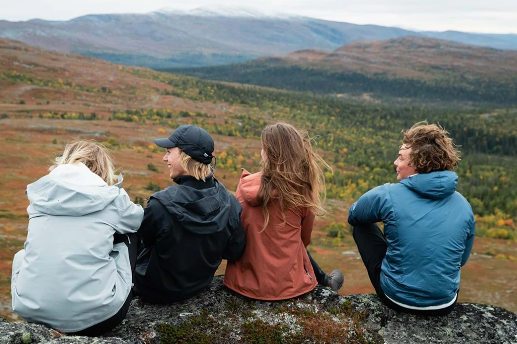
The hiking world has seen significant advancements in gear and technology over the past few years. As more people embrace the great outdoors, trends are evolving to enhance safety, comfort, and convenience. In this blog post, we’ll explore several exciting trends in hiking gear that are shaping outdoor activities today.
1. Sustainable Hiking Gear
With increasing awareness of environmental issues, many outdoor brands are now focusing on sustainability in their product lines. Companies are using recycled materials, such as plastic bottles, to manufacture backpacks and clothing. This shift not only reduces waste but also appeals to eco-conscious consumers who want to minimize their footprint while enjoying nature.
Additionally, biodegradable materials are making their way into hiking gear. Brands offer footwear and apparel that break down more naturally than traditional synthetic fibers once they reach the end of their life cycle. As a result, hikers can contribute to environmental preservation even as they gear up for their next adventure.
-
- Research brands that prioritize sustainability.
-
- Consider purchasing second-hand gear.
-
- Choose items made from recycled or biodegradable materials.
-
- Support companies that give back to conservation efforts.
2. Smart Hiking Equipment
Technology has infiltrated the hiking world with gadgets designed to make outdoor activities safer and more enjoyable. From GPS devices to smartwatches that track heart rate and elevation gain, these tools are invaluable for both novice and experienced hikers. Many of these gadgets come equipped with features like emergency location services and weather alerts, adding an extra layer of security while adventuring.
Moreover, the rise of portable solar chargers and power banks means hikers can keep their devices charged while exploring remote areas. This capability allows for imbuing traditional hiking with modern convenience, as users can navigate trails confidently, stay connected, and document their adventures on-the-go.
-
- Check battery life before your hike and carry spare chargers.
-
- Learn how to use navigation and safety features on your devices.
-
- Invest in rugged, water-resistant technology.
-
- Utilize apps that provide trail maps and real-time updates.
3. Lightweight and Packable Gear
One of the predominant trends in hiking gear is the move towards lightweight and packable items. Hikers are increasingly looking for gear that offers maximum functionality without the bulk. This includes items like compressible sleeping bags, ultralight tents, and inflatable camp pads that don’t compromise on comfort yet are easy to carry.
The advancements in materials allow manufacturers to create products that are not only lighter but also durable. Nylon ripstop, for instance, is favored for its excellent strength-to-weight ratio, making it popular for various hiking gear applications. This focus on weight reduction enables hikers to cover longer distances without feeling bogged down by their equipment.
-
- Always check the weight specifications of gear before purchase.
-
- Opt for multi-functional items that can serve several purposes.
-
- Practice packing efficiently for comfort on the trail.
-
- Choose gear that complies with your hiking style and trip duration.
4. Comfort-Focused Footwear
Comfortable footwear has never been more critical for hikers. With a surge in popularity for all types of hiking, footwear designs have evolved to include ergonomically designed insoles and customizable fit systems. Brands are increasingly utilizing advanced cushioning technologies to ensure that hikers can enjoy long treks without discomfort.
Additionally, features like breathability and waterproofness are also being prioritized. New materials are combined in designs that allow for airflow while still resisting moisture, ensuring that feet remain dry and comfortable on tough terrains. As a result, hikers are more inclined to explore for longer durations, unencumbered by foot pain.
-
- Invest in well-fitted boots or shoes tailored to your hike type.
-
- Break in new footwear before tackling long hikes.
-
- Look for shoes with excellent traction for various terrains.
-
- Consider insoles that offer additional support based on your foot type.
5. Modern Hydration Solutions
Staying hydrated is crucial for any hiking excursion, and modern solutions are making it easier than ever. Innovative hydration systems, such as hydration packs and collapsible water bottles, are gaining traction among outdoor enthusiasts. These products allow for easy transport and quick access to water while keeping hands free for hiking tasks.
Moreover, new filtration technologies enable hikers to refill their water reservoirs from natural water sources safely. Devices like portable water filters and UV sterilizers ensure that you have access to clean drinking water without adding significant weight to your pack.
-
- Always carry at least two liters of water on your hikes.
-
- Research the water sources available on your hiking route.
-
- Invest in a good-quality hydration system that meets your needs.
-
- Regularly clean your hydration gear to avoid contamination.
In conclusion, as hiking continues to evolve, the trends in gear reflect not only advancements in technology but also a deeper understanding of the importance of comfort and sustainability. By staying informed about these trends and adjusting your gear accordingly, you can enhance your hiking experiences and make the most of your time outdoors. So, gear up, hit the trails, and enjoy your next hiking adventure!