
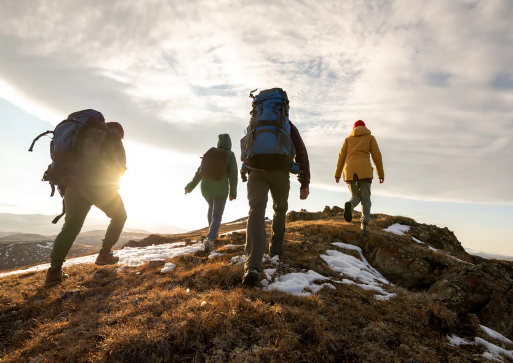
Embarking on an outdoor hike can be a rewarding experience filled with stunning landscapes and the thrill of adventure. However, ensuring your safety is paramount, and having the right gear can significantly enhance your hiking experience. In this blog post, we’ll explore essential safety tips related to hiking gear that you should consider before hitting the trails.
1. Choosing the Right Footwear
Your choice of footwear can make or break your hiking experience. Proper hiking shoes or boots provide the necessary support, grip, and protection against the varied terrain you may encounter. Look for footwear that fits well, offers good ankle support, and is made from breathable materials to keep your feet comfortable and dry.
Don’t forget to break in your new footwear before your hike to avoid painful blisters. Take them on a few shorter walks to ensure they’re right for your feet. If you opt for waterproof boots, make sure they are also well-ventilated to prevent your feet from becoming sweaty and uncomfortable.
-
- Invest in quality hiking shoes or boots.
-
- Ensure a proper fit with adequate room for toes.
-
- Break in your footwear on shorter hikes.
-
- Consider waterproof options based on terrain.
-
- Use moisture-wicking socks for added comfort.
2. Carrying Essential Safety Gear
Having the right safety gear is crucial for unexpected situations. Always pack a well-stocked first aid kit that includes items like adhesive bandages, antiseptic wipes, and pain relievers. Depending on how remote your hike is, consider bringing a multi-tool or a Swiss Army knife for unforeseen repairs or issues.
Additionally, carrying navigation tools is vital. While smartphone apps are useful, having a map and compass or a GPS device can be a lifesaver in case of a dead battery or loss of cell service. Always ensure that you know how to use these tools before heading out.
-
- Pack a comprehensive first aid kit.
-
- Include navigation tools like maps and a compass.
-
- Bring a multi-tool for unforeseen situations.
-
- Consider packing a whistle for emergencies.
-
- Keep a headlamp or flashlight with fresh batteries.
3. Preparing for Weather Conditions
Weather can be unpredictable, especially in mountainous areas. Before heading out, check the weather forecast and prepare accordingly. Dressing in layers is one of the best strategies; choose moisture-wicking materials as your base layer, an insulating layer for warmth, and a waterproof outer layer to shield against rain and wind.
In addition to clothing, consider bringing gear such as extra socks, a hat, and gloves for colder weather or sun protection like sunglasses and sunscreen for sunny hikes. Always have a plan in place for seeking shelter or turning back if conditions worsen while you’re out.
-
- Check weather forecasts before your hike.
-
- Dress in layers for adaptability.
-
- Pack extra clothing, including socks and accessories.
-
- Bring rain gear when rain is possible.
-
- Stay hydrated and bring extra water for hot days.
4. Staying Hydrated and Nourished
Proper hydration is critical for maintaining energy levels and ensuring safety throughout your hike. It’s essential to drink water regularly, as even mild dehydration can lead to fatigue and decreased performance. Carry a hydration system like a camelback or a water bottle and aim for at least two liters of water for a day hike, depending on the conditions and your exertion level.
In addition to hydration, having nutrient-rich snacks on hand can help sustain your energy. Foods like trail mix, energy bars, and fresh fruit are great options. Remember to consume small snacks throughout the hike rather than waiting until you feel hungry.
-
- Carry at least two liters of water for a day hike.
-
- Invest in a quality hydration system for convenience.
-
- Pack high-energy snacks that are easy to carry.
-
- Eat regularly to maintain energy levels.
-
- Review the hydration needs for different weather conditions.
5. Informing Others of Your Plans
Before embarking on your hike, let someone know about your plans, including your intended route and expected return time. This step is vital for your safety, as it ensures someone is aware of where you are and can alert authorities if you fail to return. Consider using a hiking app that offers shareable location data or emergency contacts.
Additionally, familiarize yourself with the terrain and any specific regulations of the area you’re hiking. Trail guides and maps can offer insights on the hike’s challenges, as well as details on nearby shelters or exits if you encounter difficulties during your outing.
-
- Inform someone of your hiking route and return time.
-
- Share your location with family or friends via an app.
-
- Know the area’s regulations and topography.
-
- Have an emergency plan in place with contacts.
-
- Consider hiking with a buddy for added safety.
In conclusion, as you prepare for your next outdoor hike, remember that safety should always come first. Equip yourself with the right gear, stay informed about the weather, and ensure someone knows your plans. By following these tips, you’ll enhance your hiking experience and minimize risks, enabling you to focus on enjoying the beauty of nature.