
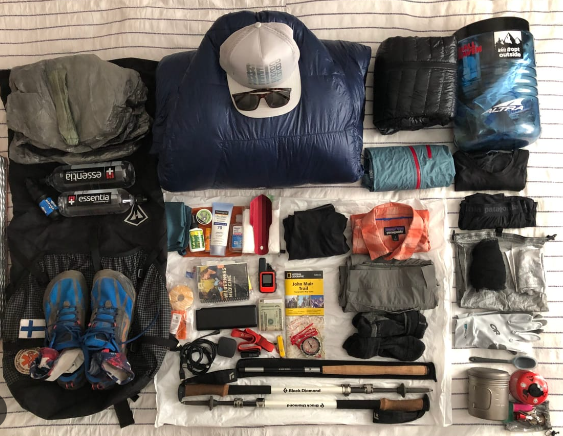
Getting out into nature is a wonderful way to recharge, but for beginners, knowing what to pack can be intimidating. This hiking gear packing list will help you cut through the confusion and ensure you’re prepared for adventure, keeping comfort and safety in mind.
1. Essential Clothing Layers
Choosing the right clothing is crucial for a successful hike, especially for beginners. The best approach is to follow the layering system. Start with a moisture-wicking base layer that will keep sweat off your skin. Follow this with an insulating layer, such as a fleece, to keep you warm in cooler temperatures. Finally, wear a waterproof and windproof outer layer to protect against the elements.
Consider the climate and terrain of your hike when selecting your clothing. If you’re going to be hiking in warmer weather, opt for lightweight, breathable fabrics. In contrast, cooler hikes may require thicker, insulated clothing. Make sure to check the weather forecast before heading out to ensure you’re dressed appropriately.
-
- Wear moisture-wicking base layers.
-
- Choose insulating layers that are easy to pack.
-
- Invest in a quality waterproof jacket.
-
- Understand the climate and terrain before you go.
-
- Wear appropriate footwear suited for the trail.
2. Footwear That Supports Your Journey
Your choice of footwear can make or break your hiking experience. Investing in a good pair of hiking boots or shoes is essential; they should provide adequate support and grip for different terrains. Look for features like waterproofing, breathability, and cushioning to enhance comfort and protect your feet from blisters on longer hikes.
Before hitting the trail, it’s advisable to break in your new footwear. Wear them for short walks around your neighborhood to ensure they fit well and feel comfortable. If you’re hiking on specific terrains, consider the type of grip your shoes provide—smoother soles work well on well-trodden paths, while deeper lugs are essential for rugged terrain.
-
- Choose supportive and well-fitted hiking boots.
-
- Look for waterproof and breathable materials.
-
- Break in your footwear before your hike.
-
- Match shoe type to the trail conditions.
-
- Bring extra socks to change into if needed.
3. Hydration and Nutrition Essentials
Staying hydrated and nourished during a hike is vital, particularly for beginners who may not recognize their own limits. Carrying enough water is your top priority. A hydration pack, canteen, or water bottles will keep you refreshed throughout your trek. A general guideline is to drink about half a liter of water for every hour of moderate hiking.
Along with hydration, you need to fuel your body adequately. Pack lightweight, high-energy snacks like nuts, energy bars, or dried fruit. These can pack a punch without adding too much weight to your pack. Consider meal options if you’re planning a long hike, such as sandwiches or wraps that are easy to carry and can provide the necessary energy.
-
- Always bring more water than you think you’ll need.
-
- Use a hydration pack for convenience.
-
- Choose lightweight, high-energy snacks.
-
- Prepare meals ahead of time if hiking all day.
-
- Include some electrolyte solutions for longer hikes.
4. Navigational Tools and First Aid
Even well-marked trails can be tricky, especially for those new to hiking. A reliable navigational tool like a compass or GPS device is essential to ensure you stay on course. Familiarize yourself with using your chosen navigation method before you hit the trails. Additionally, having a physical map can be a lifesaver, as electronic devices can lose signal in remote areas.
Alongside navigation tools, don’t forget to pack a first aid kit. Basic items should include band-aids, antiseptic wipes, insect repellant, and pain relievers. If you’re hiking in areas with wildlife, including items like a whistle can be useful for emergencies. Familiarize yourself with how to use each item in your first aid kit before venturing out.
-
- Always carry a map and compass or GPS.
-
- Familiarize yourself with navigational tools.
-
- Pack a comprehensive first aid kit.
-
- Include items specific to potential hiking injuries.
-
- Know how to use your first aid supplies.
5. Extra Gear and Equipment
Depending on the length and type of hike, you may need additional gear to make your experience more enjoyable. A good-quality backpack that fits comfortably is essential for carrying your gear. Look for one with multiple compartments to help organize your items, making it easier to find what you need when you need it.
Other gear to consider includes trekking poles, which can help you maintain balance on uneven terrain, and a multi-tool, which can be handy for various tasks on the trail. Don’t forget to check that your gear is appropriate for the level of difficulty of the hike you’re undertaking.
-
- Invest in a comfortable and functional backpack.
-
- Consider trekking poles for balance and support.
-
- Pack a multi-tool for emergencies.
-
- Assess your hike and pack accordingly.
-
- Review your gear before each trip to ensure readiness.
With this beginner’s packing list, you’re well-equipped to hit the trails with confidence! Take the time to prepare properly, and you’ll be set for a memorable hiking adventure. So why not start planning your first hike today? Nature awaits!