
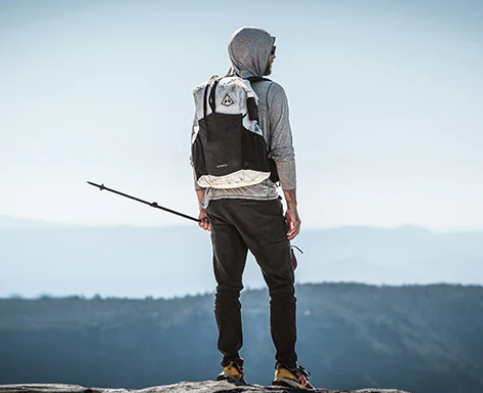
When it comes to hiking gear, the materials and fabric technologies can significantly impact your outdoor experience. Understanding the specific attributes of different fabrics can help you choose the right gear to keep you comfortable and protected on your adventures. This blog post explores key fabric technologies to look for in hiking gear.
1. Waterproof Breathable Fabrics
Waterproof breathable fabrics are essential for hiking, especially in wet conditions. These materials keep water out while allowing moisture from your sweat to escape, helping you stay dry and comfortable. Popular examples include Gore-Tex and eVent, both offering excellent moisture management through a microporous structure that blocks water droplets but permits water vapor to pass through.
Choosing the right waterproof breathable fabric should depend on your hiking conditions. If you’re hiking in consistently rainy areas, opt for a garment with a higher waterproof rating. Furthermore, consider the weight and packability of the fabric, which can make a significant difference when you’re on the trail.
-
- Look for garments with a minimum waterproof rating of 10,000 mm.
-
- Check for seams that are taped to prevent leaks.
-
- Try to find a fabric that balances breathability for your exertion level.
-
- Pack a lightweight poncho or shell in your gear for quick protection.
2. Insulating Fabrics
Insulating fabrics like fleece and down are crucial for staying warm during your hikes, particularly in colder climates. Fleece offers good insulation while remaining lightweight and moisture-wicking. On the other hand, down insulation has superior warmth-to-weight ratios, making it an excellent choice for cold-weather hiking. However, remember that while down is warm, it loses insulating properties when wet, unlike synthetic options.
Your choice of insulating fabric should match the conditions you’ll face and the activity level you anticipate. For high-intensity hikes in cold weather, a lightweight, breathable fleece may be ideal. For lower activity levels or frigid conditions, consider a thick down jacket for maximum warmth.
-
- Prioritize lightweight options for backpacking to reduce load.
-
- Layer insulating fabrics for increased warmth while allowing for ventilation.
-
- Pack a synthetic jacket as a backup if you expect wet conditions.
-
- Test insulated garments for comfort before the hike.
3. Durable Fabrics for Rugged Conditions
When hiking in rugged terrains, the durability of your gear becomes paramount. Fabrics like Cordura nylon and ripstop polyester are known for their toughness and resistance to abrasions. These materials not only withstand rough use but also resist tearing, providing longevity to your gear. Investing in durable gear is especially wise for frequent hikers who often encounter rocky or overgrown trails.
It’s essential to consider other features that accompany durable fabrics. For example, reinforced stitching and hardware like YKK zippers can enhance the overall durability. Always inspect the gear for its construction quality before purchasing, as it significantly impacts its longevity in tough conditions.
-
- Look for backpacks and pants made from Cordura or heavy-duty canvas.
-
- Choose garments with reinforced seams in high-stress areas.
-
- Read reviews to ensure the product stands the test of time.
-
- Avoid gear with thin, flimsy fabric if you hike in rugged areas.
4. UV-Resistant Fabrics
While out hiking, exposure to the sun can lead to skin damage, making UV-resistant fabrics a smart consideration. Many hiking apparel brands now incorporate UV-blocking technology into their fabrics. Materials such as polyester and nylon can be treated to have a UPF (Ultraviolet Protection Factor) rating, which indicates their effectiveness in blocking harmful rays.
When selecting UV-resistant hiking gear, consider the UPF rating. A garment with a UPF rating between 30-50 offers excellent protection. Additionally, long sleeves and full-length pants can further shield your skin from sun exposure while wicking moisture away to keep you cool.
-
- Choose clothing with a UPF rating of at least 30 for optimal protection.
-
- Opt for light-colored fabrics, which are typically cooler in the sun.
-
- Combine UV-resistant clothing with accessories like hats and sunglasses.
-
- Don’t forget sunscreen for exposed areas to maximize protection.
5. Lightweight and Packable Fabrics
For those who love to hike, weight and packability are key considerations. Fabrics like nylon ripstop and lightweight polyester are not only durable but also incredibly lightweight, making them ideal for carrying on long treks. These materials allow gear like jackets and pants to compress small for easy packing without sacrificing performance.
When looking for lightweight fabrics, evaluate the warmth and durability to ensure they meet your needs. Investing in items that maintain function while being lightweight can enhance overall hiking efficiency and comfort. Additionally, gear that can pack down small is essential for minimizing extra weight in your backpack.
-
- Look for items specifically tagged as ‘lightweight’ or ‘packable.’
-
- Try storage solutions that compress your gear for optimal packing.
-
- Balance lightness with durability; consult user reviews for real-world performance.
-
- Consider multi-functional gear to save weight and space.
Choosing the right hiking gear made from appropriate materials can significantly enhance your outdoor experience. Always consider the specific conditions you’ll be hiking in, and don’t hesitate to invest in quality gear to ensure your comfort and safety. So, gear up wisely and hit the trails with confidence!