
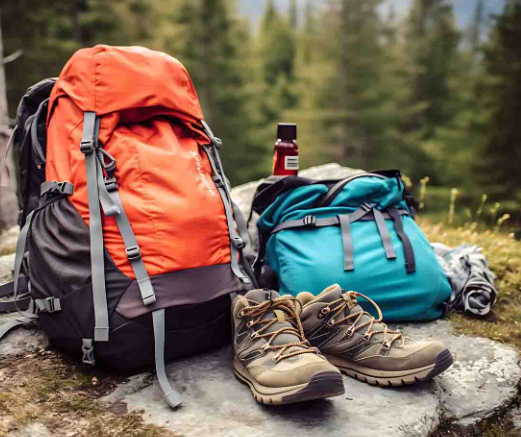
Hiking is a fantastic way to enjoy nature and stay fit, but venturing onto the trails requires the right gear, especially for beginners. Having the right equipment makes your hiking experience safer and more enjoyable. This guide will introduce you to essential hiking gear to pack for your first adventure.
1. Footwear: The Foundation of Your Hike
Choosing the right footwear is crucial for a positive hiking experience. Unlike regular shoes, hiking shoes or boots are designed to provide durability, support, and traction on varied terrains. For beginners, lightweight hiking shoes or mid-cut boots are often ideal. These options offer flexibility while providing enough support for your ankles.
When selecting footwear, consider the terrain you’ll be hiking on. For rocky or uneven trails, opt for shoes with a sturdy sole that offers good grip. Make sure to try on socks with your hiking shoes to ensure a comfortable fit. Also, breaking in your shoes before an extended hike can help prevent blisters.
-
- Choose shoes that fit well with the hiking socks you plan to wear.
-
- Look for waterproof options if hiking in wet conditions.
-
- Consider investing in shoes with a good warranty or return policy.
-
- Test your shoes on short walks to check comfort and support.
2. Clothing: Dressing for Success
Your clothing is just as important as your footwear when it comes to hiking. The key is to dress in layers, which allows you to adjust your clothing based on the weather and your activity level. Start with a moisture-wicking base layer to help keep you dry; avoid cotton, as it traps moisture and can make you feel cold when wet.
Next, add an insulating layer like a fleece or lightweight jacket, which provides warmth without bulk. For the outer layer, consider a waterproof and breathable jacket if rain is in the forecast. Don’t forget to wear comfortable and breathable pants; hiking pants or shorts designed for outdoor use are excellent options.
-
- Pack an extra layer in your bag in case temperatures drop.
-
- Choose fabrics that dry quickly; synthetic materials are great.
-
- Wear a hat and sunglasses for sun protection.
-
- Don’t wear cotton; it’s not suitable for hiking conditions.
3. Backpack: Carrying Your Essentials
Choosing a good backpack is vital for carrying your hiking essentials. For beginners, a daypack with a capacity of 15 to 30 liters is perfect for short hikes. Look for a backpack with adjustable straps, a padded back, and ventilation to ensure comfort. Ensure it has multiple compartments to keep your items organized and easy to access.
When packing your backpack, be strategic about weight distribution. Place heavier items close to your back and lighter items at the top or sides. It’s also essential to pack food, water, a first aid kit, and navigation tools—but make sure not to overpack. A well-organized backpack makes your hike more enjoyable and safe.
-
- Choose a backpack with hydration reservoir compatibility.
-
- Keep a first aid kit and snacks easily accessible.
-
- Familiarize yourself with fitting your backpack correctly.
-
- Practice loading your backpack before your trip.
4. Hydration and Nutrition: Staying Energized
Staying hydrated while hiking is crucial to maintaining your energy levels and overall health. Carry enough water for your hike—roughly half a liter per hour is a good rule of thumb. Ensure your pack has a water bottle holder or consider using a hydration bladder, which allows you to sip water easily as you hike.
Nourishing your body with snacks is equally important. High-energy snacks like trail mix, energy bars, or jerky are excellent choices as they provide quick fuel without weighing you down. It’s also a good practice to eat small amounts regularly rather than waiting until you’re hungry.
-
- Invest in a portable water filter or purification tablets for longer hikes.
-
- Pack a variety of snacks to avoid boredom and fatigue.
-
- Stay hydrated even if you don’t feel thirsty; set reminders.
-
- Bring a lightweight stove or cooking kit if planning to cook on multi-day hikes.
5. Navigation and Safety Gear: Staying on Track
Navigation and safety gear is essential, especially for beginners. A map and a compass or a reliable GPS device will help keep you oriented, while a multi-tool can aid in various situations. It’s wise to familiarize yourself with these items before heading out, as they’re not just useful but can be lifesavers in an emergency.
Remember to include a first aid kit in your gear. It should contain basic items like band-aids, antiseptic wipes, and any personal medications. Additionally, consider carrying a whistle, a flashlight, or a headlamp, especially if you might be out after dark. Having the right safety gear allows you to hike with confidence.
-
- Familiarize yourself with map reading and compass use before your hike.
-
- Regularly check the weather forecast before departing.
-
- Share your hiking plans with someone and set a return time.
-
- Stay on marked trails and educate yourself about local wildlife.
Preparing for a hiking adventure is both exciting and rewarding. With the right gear and knowledge, you can ensure a safer and more enjoyable experience. Don’t hesitate to seek further guidance and practice your skills to make each hike more fulfilling. Happy hiking!