
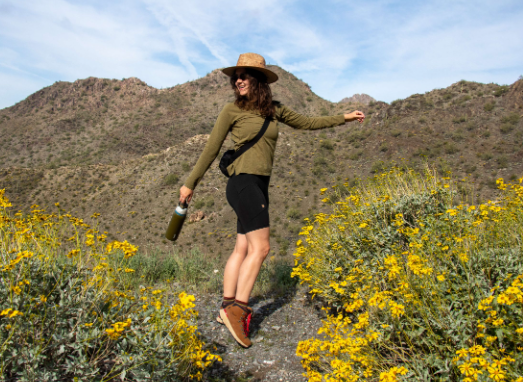
Summer hiking can be one of the most enjoyable outdoor activities, providing a perfect escape into nature. However, to truly enjoy your adventure, having the right hiking gear is essential for comfort and safety. This blog post will detail the must-have equipment to ensure a smooth and pleasurable hiking experience during the hotter months.
1. Proper Footwear
When embarking on a summer hiking trip, choosing the right footwear is crucial. Opt for breathable and lightweight hiking shoes or boots designed for warm weather. Look for shoes with moisture-wicking materials to help keep your feet dry and prevent blisters. Popular brands like Merrell and Salomon offer excellent options featuring good grip and stability, ensuring you can tackle varied terrains comfortably.
Don’t forget to consider the fit of your shoes as well. Ill-fitting shoes can lead to discomfort and injury, which can ruin your hiking experience. Always try on shoes with the socks you plan to wear, and take the time to walk around before heading out on the trails.
-
- Choose breathable, moisture-wicking materials.
-
- Ensure proper fit with suitable socks.
-
- Select shoes with good grip and ankle support.
-
- Break in new shoes before long hikes.
2. Lightweight, Breathable Clothing
Your choice of clothing can significantly impact your comfort on summer hikes. Lightweight fabrics such as moisture-wicking polyester or merino wool are excellent for keeping sweat at bay while providing ventilation. Look for clothes specifically designed for outdoor activities; they often contain additional UV protection to shield your skin from harmful rays. Brands like Columbia and Patagonia offer great options in this category.
Layering is also crucial in summer hiking. Temperatures can vary dramatically throughout the day and between different elevations. A light, moisture-wicking base layer can be worn under a breathable long-sleeve shirt, which can then be layered with a lightweight, packable jacket for unexpected chill or rain. This type of layering system allows for easy adjustment during shifts in weather.
-
- Opt for breathable, moisture-wicking fabrics.
-
- Wear layers to adapt to changing temperatures.
-
- Select UV-protective clothing.
-
- Consider a lightweight, packable rain jacket.
3. Hydration Solutions
Staying hydrated is vital for safety and comfort during summer hikes. Dehydration can lead to fatigue, headaches, and even heat-related illnesses, especially in warm weather. Invest in a reliable hydration system, such as a water bladder in a backpack or a reusable water bottle that’s easy to carry.
Additionally, it’s smart to plan your water needs based on the length of your hike. A good rule of thumb is to drink about half a liter of water for every hour of moderate activity. If you’re heading out on a longer hike, consider packing electrolyte-replenishing drinks or snacks to keep your energy levels up.
-
- Use a hydration bladder or easy-to-carry water bottles.
-
- Drink at least half a liter of water per hour.
-
- Plan water stops if hiking in areas without reliable water sources.
-
- Consider bringing electrolyte drinks for longer hikes.
4. Sun Protection Essentials
Summer hikes expose you to stronger sunlight, making sun protection an essential part of your gear. Always apply a high SPF sunscreen to all exposed skin, even on cloudy days. Look for water-resistant formulations that last longer during physical activity, and reapply every couple of hours or after sweating significantly.
In addition to sunscreen, wearing appropriate accessories can offer added protection from the sun. A wide-brimmed hat and UV-blocking sunglasses can shield your face and eyes. Lightweight, long-sleeved shirts can also provide extra coverage without overheating.
-
- Apply a high SPF, water-resistant sunscreen.
-
- Reapply sunscreen every 2 hours, or more frequently if sweating.
-
- Wear a wide-brimmed hat for additional sun protection.
-
- Invest in UV-blocking sunglasses.
5. Essential Accessories
While the main gear is crucial, several accessories can add to your overall comfort and safety during a summer hike. A good pair of trekking poles can help reduce the impact on your knees, particularly on downhill trails. Additionally, consider using a lightweight backpack to carry your essentials without adding too much weight.
Another accessory worth considering is a first-aid kit. Even short hikes can lead to small accidents; having a kit handy can help you deal with scrapes, blisters, or insect bites promptly. Always carry a few snacks to maintain your energy levels and keep those hunger pangs at bay.
-
- Use trekking poles for added support.
-
- Choose a lightweight, comfortable backpack.
-
- Carry a compact first-aid kit.
-
- Pack high-energy snacks like nuts or energy bars.
In conclusion, having the right gear can make all the difference in your summer hiking adventures. From proper footwear and clothing to hydration and sun protection, prioritizing comfort and safety will enhance your outdoor experiences. So gear up, hit the trails, and embrace all that summer hiking has to offer!