
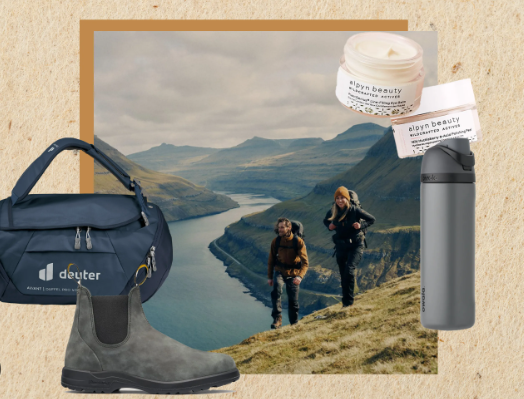
Hiking is a gateway to the great outdoors, offering nature lovers and explorers an opportunity to reconnect with the environment, stay active, and boost mental well-being. Whether you’re a novice or a seasoned trekker, having the right gear is crucial for safety, comfort, and enjoyment on the trails. Below, we dive into essential hiking gear every adventurer should consider.
1. Footwear that Fits
The foundation of any great hike starts with proper footwear. Hiking boots or shoes come in various styles and materials, each designed for specific terrain and weather conditions. Waterproof boots are ideal for rainy days or muddy paths, while lightweight mesh shoes may be better suited for drier trails. When choosing footwear, ensure there’s sufficient toe box space and that they provide adequate support for your arch and heel.
Don’t forget to break in your new shoes at home before hitting the trails! This helps prevent blisters and discomfort on longer hikes. You can wear them on shorter walks to understand how they fit and adapt to your feet.
-
- Try on hiking shoes in the afternoon when your feet are slightly swollen.
-
- Wear the same type of socks you plan to use on hikes.
-
- Check for arch support and cushioning—it can make a big difference.
-
- Consider hiking boots with ankle support for rough terrains.
2. Layers and Lining
Dressing appropriately for the weather is essential when planning your hike. Layering your clothing allows you to adjust as conditions change. Start with a moisture-wicking base layer to keep sweat away, followed by an insulating layer like fleece, and finish with a waterproof and breathable outer layer. This system enables you to maintain comfort in the face of varying temperatures.
Your choice of materials matters as well. Synthetic fabrics and merino wool are excellent moisture-wicking options that keep you dry and warm. Avoid cotton, which retains moisture and can make you chilly once the temperature drops. Don’t underestimate the power of a good hat and gloves, even in warmer weather; they can help shield you from unexpected chills.
-
- Always check the weather forecast before your hike.
-
- Wear layers you can easily remove or add based on temperature.
-
- Choose breathable fabrics for comfort during strenuous activities.
-
- Invest in a good-quality rain jacket for unexpected showers.
3. Safety and Navigation Essentials
No hike is complete without the necessary safety and navigation gear that can make a critical difference. A map and compass, alongside a modern GPS device, offer conventional and contemporary methods of navigation—both are invaluable when venturing off the beaten path. Additionally, a first-aid kit is a must-have for treating minor injuries and ensuring you’re prepared for any mishaps that may occur.
Another important item is a reliable multi-tool or knife. These can assist with various tasks, from opening snacks to emergency repairs. Consider also bringing a whistle for signaling in emergencies and a headlamp or flashlight for illumination if you find yourself hiking later than planned.
-
- Always carry a physical map and familiarize yourself with the area.
-
- Include a basic first-aid kit tailored to your needs.
-
- Pack a multi-tool for practical uses on the trail.
-
- Consider carrying a whistle for emergency situations.
4. Hydration and Nutrition
Staying hydrated and fueled during your hike is vital for maintaining energy and overall well-being. A good hydration system such as a water bottle or a hydration bladder helps ensure you drink enough water throughout the day. The general recommendation is to drink about half a liter of water for every 2 hours of moderate activity, but this may increase in hot weather or strenuous hikes.
Your nutrition choices should focus on lightweight, high-energy foods that won’t spoil easily, such as trail mix, energy bars, or jerky. Preparing small portions in zip-lock bags or pouches can make eating on the go more convenient. Remember to pack out any trash or leftover food to preserve the natural environment.
-
- Drink water regularly, even if you don’t feel thirsty.
-
- Pack high-energy snacks that require minimal preparation.
-
- Consider using a water purification system for longer hikes.
-
- Avoid heavy foods that can weigh you down.
5. Gear for Comfort and Convenience
Now that safety and essentials are covered, let’s look at additional gear that boosts comfort. A good-quality backpack is essential for carrying your gear, and it should fit snugly against your back and provide ample support. Look for adjustable straps and hip belts that help distribute weight efficiently. Don’t forget a pack rain cover to protect your belongings from sudden downpours.
Comfort items such as trekking poles can help stabilize you on uneven terrain and reduce the stress on your knees, especially during downhill hikes. Lastly, consider packing a lightweight camping chair or sitting pad for resting breaks. Taking the time to rest helps rejuvenate your energy for the journey ahead!
-
- Choose a backpack with compartments for easy organization.
-
- Adjust straps for a personalized fit to prevent discomfort.
-
- Use trekking poles to aid balance and support.
-
- Bring a sitting pad for comfortable breaks during your hike.
As you gear up for your next outdoor adventure, consider these essential items to enhance your hiking experience. Whether you are a beginner or an experienced explorer, the right gear can make all the difference. Take the plunge and invest in good-quality hiking gear that suits your needs; your future hikes will thank you for it!