
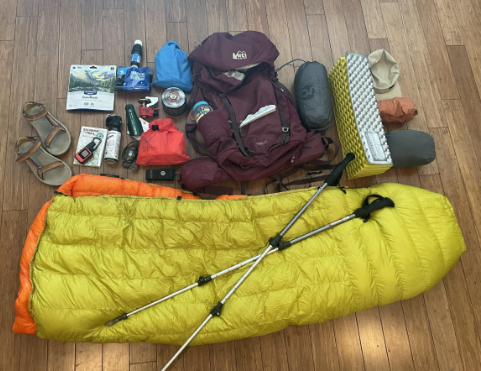
Planning a hike in a national park is an exhilarating experience, but having the right gear can make all the difference. Whether you’re traversing rugged mountain trails or strolling through serene forests, being prepared will ensure your adventure is enjoyable and safe. In this blog post, we’ll look at essential hiking gear that will enhance your national park experience.
1. Footwear: The Foundation of Your Hike
Your choice of footwear can significantly impact your hiking experience. A sturdy pair of hiking boots or shoes provides the necessary support and traction, especially when navigating challenging terrains. Consider investing in waterproof footwear if you anticipate wet conditions or if your hike involves crossing streams. Fit is also crucial; make sure your boots are comfortable right from the start to avoid blisters and discomfort during your hike.
When shopping for hiking footwear, look for features like a good grip on the soles and ankle support, as these can prevent falls or injuries. It’s wise to break in your boots before embarking on a long trek to ensure comfort. Remember that socks matter too; moisture-wicking socks can keep your feet dry and reduce the risk of blistering.
-
- Choose boots or shoes that fit well and are suitable for the season.
-
- Consider wearing thick, moisture-wicking hiking socks.
-
- Break in your shoes to avoid discomfort during long hikes.
-
- Look for shoes with good grip and ankle support.
-
- Pack an extra pair of socks in case your feet get wet.
2. Layering Clothing: The Key to Comfort
Understanding how to layer your clothing is essential for staying comfortable on the trail. Weather conditions can change rapidly, especially in mountainous areas. Start with a moisture-wicking base layer that removes sweat from your body. An insulating layer, like a fleece or down jacket, provides warmth, while a waterproof outer layer will protect you from rain or wind.
Pay attention to the temperature swings you might experience during your hike. Wearing layers allows you to adjust your clothing as needed, ensuring you stay warm when the temperature drops and cool when the sun shines bright. It’s also helpful to select lightweight and packable layers that can easily fit in your backpack.
-
- Wear a moisture-wicking base layer.
-
- Bring an insulating layer for warmth.
-
- Include a breathable, waterproof outer layer.
-
- Opt for lightweight, easily packable clothing.
-
- Protect yourself from the sun with a hat and sunglasses.
3. Hydration and Nutrition: Staying Energized
Staying hydrated is crucial when hiking, especially on warm days or during long treks. Consider using a hydration reservoir or a water bottle that keeps your liquids easily accessible. It’s important to drink water consistently throughout your hike rather than waiting until you’re thirsty to replenish—this can help prevent fatigue and cramps.
In addition to hydration, adequate nutrition fuels your energy during a hike. Pack high-energy snacks like nuts, granola bars, or dried fruits that are lightweight and do not require refrigeration. Ensure your snacks are packed in resealable bags to minimize mess and maintain freshness during your outing.
-
- Carry a hydration reservoir or a reliable water bottle.
-
- Drink water continuously, not just when thirsty.
-
- Pack lightweight, high-energy snacks like nuts and granola bars.
-
- Use resealable bags for easy snack packing.
-
- Avoid heavy meals just before your hike for optimal energy levels.
4. Essential Safety Gear: Be Prepared for the Unexpected
No hike is complete without the right safety gear. A well-stocked first aid kit can be a lifesaver in case of minor injuries or ailments. Include items such as band-aids, antiseptic wipes, and pain relief medication for unexpected situations. Additionally, a map and compass (or a GPS device) can keep you on course, especially in less marked areas of national parks.
Another vital item is a multi-tool or knife; this can help solve various problems ranging from food preparation to equipment repair. Always check for emergency guidelines specific to your hiking area, and let someone know your hiking plan before you start your adventure.
-
- Always carry a fully stocked first aid kit.
-
- Bring a map and compass or GPS for navigation.
-
- Pack a multi-tool or knife for versatility.
-
- Check park regulations and safety guidelines before your hike.
-
- Inform someone of your hiking plan and expected return time.
In conclusion, the right gear not only enhances your hiking experience in national parks but also ensures your safety and comfort. Preparing effectively can transform your hiking adventure into an unforgettable journey. Start gathering your equipment today and get ready for an amazing trek!