
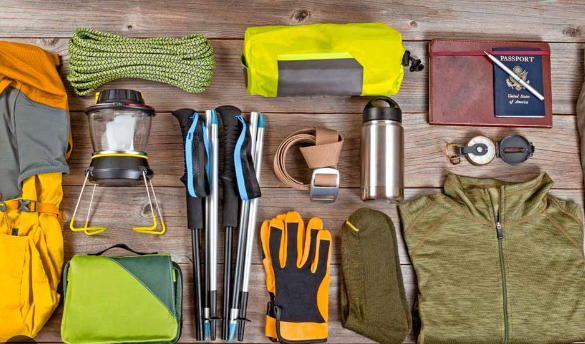
If you’re planning to tackle extreme hiking conditions, having the right gear is crucial for both your safety and enjoyment. Extreme weather, rugged terrain, and unexpected challenges demand equipment that is durable, reliable, and specifically designed for high-stress situations.
1. Footwear for Extreme Terrain
A solid pair of hiking boots can make all the difference when you’re traversing rocky paths or slippery slopes. Look for boots that offer excellent ankle support, a rugged outsole for traction, and waterproof materials. Brands like Salomon and Merrell provide specialized options that are both lightweight and durable, capable of withstanding harsh conditions while keeping your feet dry and comfortable.
Remember to break in your boots before hitting the trails; nothing can ruin a hike faster than blisters from new shoes. Also, consider using specialized insoles tailored for extra cushioning and arch support, especially if you’ll be on your feet for extended periods. An investment in quality footwear can pay off with a safer and more enjoyable hiking experience.
-
- Choose boots with a good grip and waterproof qualities.
-
- Break in your footwear ahead of time.
-
- Consider using high-performance insoles for added support.
-
- Bring an extra pair of socks to keep your feet dry.
2. Clothing Layers for Changing Conditions
When it comes to extreme hiking, layering is essential. Start with a moisture-wicking base layer that will keep sweat away from your skin, followed by an insulating middle layer, like fleece or down, and an outer shell that is both waterproof and windproof. This system allows you to adapt to rapidly changing temperatures and weather conditions easily.
For example, if you’re hiking in a region prone to sudden storms, look for jackets with added features like vents and adjustable hoods. You may also want to pack extra layers that are lightweight and compressible, so they fit easily into your backpack. The aim is to stay warm while having the flexibility to remove layers as you generate heat from hiking or if the weather improves.
-
- Invest in moisture-wicking base layers.
-
- Include a windproof and waterproof outer shell.
-
- Choose breathable fabrics for all layers.
-
- Pack extra lightweight layers in your backpack.
3. Essential Navigation & Safety Gear
In extreme hiking conditions, it’s paramount to have reliable navigation and safety gear. A good topographic map, a GPS device, and a compass should be staples in your pack. Understanding how to read maps and use a compass is crucial, as electronic devices can fail or run out of battery in harsh weather.
Also, consider bringing a whistle and a first-aid kit for emergencies. In remote areas, having a means to signal for help can make a life-saving difference. Items such as a multi-tool and fire-starting kits can be incredibly useful as well. Prioritize packing gear that you are both familiar with and confident using, as this will enhance your overall safety.
-
- Carry a topographic map, GPS, and compass.
-
- Learn how to use your navigation tools effectively.
-
- Pack a whistle and a first-aid kit.
-
- Include a multi-tool and fire-starting materials.
4. Hydration and Nutrition
Staying hydrated is vital for maintaining energy and focus during extreme hikes. A good hydration system, like a bladder or water bottles that fit conveniently within your backpack, is essential. Make sure your water source is reliable; consider bringing a portable water filter for long treks through remote areas.
Alongside hydration, fuel your body with high-energy snacks that are easy to pack and eat on the go, such as trail mix, energy bars, or jerky. These snacks not only keep your energy levels up but also provide you with the necessary nutrients to tackle challenging climbs. Develop a meal and hydration plan that aligns with the length and difficulty of your hike for optimal performance.
-
- Use a hydration system that fits your needs.
-
- Bring a portable water filter for long hikes.
-
- Pack high-energy snacks for on-the-go fuel.
-
- Plan your meal and hydration strategy before the hike.
5. Emergency Gear and First Aid
Being prepared for emergencies is fundamental when hiking in extreme conditions. Your pack should include a well-stocked first-aid kit, which can provide crucial help in case of injuries or medical issues encountered on the trail. Items like adhesive bandages, antiseptics, gauze, and pain relievers can be beneficial in a crisis situation.
Additionally, bringing a portable emergency beacon or a personal locator device can enhance your safety, especially in remote areas where cell reception is limited. If possible, inform a friend or family member of your hiking route and expected return time, as this information can be vital in case of emergencies.
-
- Pack a comprehensive first-aid kit with essential supplies.
-
- Include a portable emergency beacon or locator device.
-
- Inform someone about your hiking plan and expected return.
-
- Know basic first-aid skills related to hiking injuries.
Preparing for extreme hiking conditions is no small task, but the right gear can greatly enhance your experience and safety on the trail. Don’t hesitate to do further research or consult with experienced hikers or professionals to ensure that you’re fully equipped and ready for your adventure. Happy hiking!