
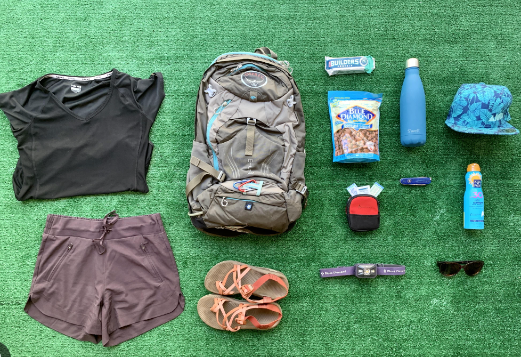
Hiking is a great way to escape the hustle and bustle of daily life, reconnect with nature, and improve your physical fitness. For beginners planning their first hike, knowing what gear to bring is crucial for a safe and enjoyable experience. In this guide, we’ll walk you through essential hiking gear that every novice hiker should consider.
1. Footwear: Choose the Right Hiking Boots
Your choice of footwear can make or break your hiking experience. Good hiking boots provide support, traction, and comfort, which are essential for different terrains and conditions. Look for boots that offer ankle support, sturdy soles for grip, and materials that wick away moisture. Trying on footwear with the socks you plan to wear during your hike is important to ensure a proper fit.
Make sure to break in your hiking boots before your trip—wear them around your house or on short walks to avoid blisters on the actual hike. If you’re hiking on smoother trails, lightweight hiking shoes or trail runners may also be sufficient, while more rugged terrains will require sturdier boots.
-
- Opt for waterproof or water-resistant models if hiking in wet conditions.
-
- Invest in high-quality insoles for added comfort.
-
- Wear moisture-wicking socks to keep your feet dry.
-
- Consider a snug fit to prevent blisters, but ensure there’s space for your toes.
-
- Check the tread on the boot for proper traction suited to your hiking trail.
2. Clothing: Dress for the Elements
Layering is the key to staying comfortable while hiking. Start with a moisture-wicking base layer to keep sweat off your skin, add an insulating layer like a fleece for warmth, and finish with a waterproof jacket to shield against rain or wind. Depending on the climate, you may need to add or remove layers throughout the hike, so versatility is important.
Choose fabrics that are breathable, quick-drying, and lightweight. For colder conditions, thermal layers can help retain heat, while sun protection clothing can shield you from harmful UV rays during bright summer hikes. Don’t forget accessories like hats, gloves, and sunglasses, which can greatly enhance your hiking experience.
-
- Always pack extra layers for unexpected weather changes.
-
- Choose lightweight, synthetic materials that dry quickly.
-
- Invest in a weatherproof jacket for unexpected rain.
-
- Wear a wide-brimmed hat for sun protection.
-
- Select convertible pants that can turn into shorts for versatility.
3. Hydration and Nutrition: Stay Energized
Stay hydrated during your hike by bringing enough water to keep you refreshed and energized. A general rule is to drink about half a liter of water for every hour of moderate hiking, but this can vary based on temperature and your activity level. Consider a hydration pack with a built-in reservoir for easy sipping without needing to stop.
In addition to hydration, packing nutritious snacks is vital to keep your energy levels up. Carry lightweight items like energy bars, nuts, fruits, or trail mix to munch on during your hike. These snacks are rich in carbohydrates and protein, and they help sustain your energy without weighing you down.
-
- Use a reusable water bottle or hydration pack for eco-friendliness.
-
- Pre-pack snacks in portioned bags for easy access.
-
- Include electrolytes to replenish lost salts during longer hikes.
-
- Plan your hydration stops for breaks along the trail.
-
- Try to avoid overly sugary snacks that can cause energy crashes.
4. Navigation Tools: Stay on Track
Understanding your route is crucial for a successful hike. Carry a detailed map of the area and a compass or a GPS device to ensure you can find your way. Familiarize yourself with the trail before heading out; knowing landmarks or junctions can help keep you oriented.
An alternative option is to download offline maps on your smartphone or use a hiking app. Make sure the device is fully charged and consider bringing a portable charger as a backup, especially for longer hikes where navigation is critical. Alongside, learning basic navigation skills can add to your confidence as you explore new terrains.
-
- Print a map of your route; some areas may have limited service.
-
- Take a compass and know how to use it.
-
- Download hiking apps for real-time GPS tracking.
-
- Always let someone know your hiking plan and expected return time.
-
- Bookmark points of interest on your map before heading out.
5. Safety Gear: Be Prepared for the Unexpected
Safety should always be a priority while hiking. Consider carrying a first aid kit that includes essential items like bandages, antisepts, pain relievers, and emergency supplies. A whistle can be a lifesaver if you’re lost or in need of help, while a headlamp or flashlight is crucial for any unexpected delays that could leave you hiking after dark.
Another great addition is a multi-tool or knife for various practical uses—whether it’s opening food, securing gear, or making small repairs. Additionally, understand the basics of first aid and emergency response techniques; being prepared can significantly increase your safety and confidence while hiking.
-
- Customize your first aid kit based on your hiking style and needs.
-
- Bring a whistle for signaling in case of emergency.
-
- Carry a multi-tool for versatile needs.
-
- Learn basic first aid and CPR prior to your hike.
-
- Always have reflective gear or a light source for emergencies.
In summary, proper gearing up for your first hike is all about preparation, comfort, and safety. By investing time and resources into choosing the right footwear, clothing, hydration options, navigation tools, and safety equipment, you’ll enhance your hiking experience and increase your confidence in the great outdoors. So lace up those boots, pack your gear, and get ready to explore the wonderful trails waiting for you!