
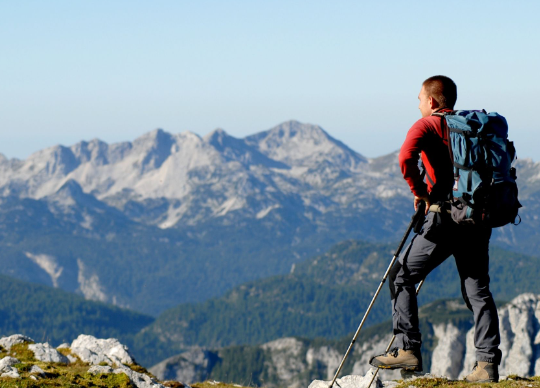
Embarking on your first hiking adventure can be a thrilling experience, but the right gear is essential for safety and enjoyment. Many beginners make common mistakes that can lead to discomfort or even danger on the trail. This guide will help you choose the right hiking gear while avoiding these pitfalls.
1. Choosing the Wrong Footwear
Your choice of footwear is critical for a successful hiking experience. Many beginners opt for regular sneakers, thinking that they’ll suffice. However, hiking shoes or boots are specifically designed to provide better grip, support, and protection on uneven terrain. The right footgear also helps prevent blisters and injuries, especially on longer hikes.
It’s important to consider the type of hiking you’ll be doing. For instance, if you’re focusing on day hikes with low-elevation trails, lightweight hiking shoes might be suitable. Conversely, if you plan to tackle rugged or rocky terrains, investing in sturdy hiking boots with ankle support is advisable. Make sure to break in your footwear before hitting the trails to avoid discomfort.
-
- Choose shoes waterproofed for wet conditions.
-
- Ensure a proper fit; try them on with the socks you’ll wear.
-
- Consider shoes with good arch support for comfort.
-
- Break in your shoes with shorter walks.
2. Ignoring the Weather Forecast
Weather can change rapidly in the outdoors, and being unprepared can spoil your hiking experience or even put you in danger. Many beginners either under-pack or over-pack when it comes to clothing based on the day’s forecast. It’s crucial to check the forecast leading up to your hike and even on the day of the hike for any sudden changes.
Layering is a smart way to ensure comfort across varying weather conditions. Begin with a moisture-wicking base layer, follow with an insulating mid-layer, and top it off with a waterproof outer layer. This approach allows you to adjust your clothing based on temperature fluctuations during your hike, keeping you comfortable no matter the conditions.
-
- Check weather forecasts multiple times before your hike.
-
- Layer your clothing to manage temperature changes.
-
- Bring a lightweight rain jacket, even if the forecast looks clear.
-
- Avoid cotton as it retains moisture; opt for synthetic or wool materials.
3. Overpacking Essentials
Many newcomers to hiking tend to overpack their backpacks, thinking they need every item “just in case.” This can lead to unnecessary strain and discomfort during your hike. It’s better to prioritize essential gear that will genuinely enhance your experience and keep you safe.
To avoid overpacking, make a checklist of items you absolutely need, such as water, snacks, first aid supplies, and navigation tools. Focus on lightweight, multi-purpose items that can serve more than one purpose. For example, a bandana can serve as a sweatband, sunshade, or even a makeshift first aid item.
-
- Use a lightweight daypack designed for hiking.
-
- Only pack the essentials and leave luxury items behind.
-
- Consider food and water based on the length of your hike.
-
- Utilize gear with multiple functions to save space.
4. Skipping Navigation Tools
Even if you opt for well-marked trails, relying solely on a smartphone for navigation is risky. Many beginners make the mistake of assuming they won’t get lost, but accidents can happen. Carrying a physical map and a compass along with your smartphone can provide an extra layer of assurance and help you navigate in case of a dead battery or lack of signal.
Take the time to learn how to read maps and use a compass before hitting the trail. Familiarize yourself with the route, landmarks, and potential detours. This knowledge can be invaluable if you stray from the main path or experience unexpected obstacles.
-
- Get a physical map of the area and study it before your hike.
-
- Learn to use a compass for basic navigation.
-
- Download offline maps to your smartphone if you’re using it.
-
- Always carry a charged power bank for your devices.
5. Not Preparing for Emergencies
Many beginners overlook the importance of preparing for emergencies before heading out on a hike. If you find yourself injured or lost, having the right gear and knowledge can make all the difference. Basic first aid kits, emergency whistles, and even a personal locator beacon can be life-saving in urgent situations.
It’s also essential to inform someone about your hiking plans, including your expected return time. This way, if something goes wrong, someone will know to alert authorities. Additionally, consider investing time in learning basic survival skills so you’re more prepared for the unexpected.
-
- Pack a basic first aid kit tailored for hiking needs.
-
- Carry an emergency whistle to signal for help.
-
- Inform a friend or family member of your hiking plan.
-
- Familiarize yourself with basic survival skills.
By being mindful of these common mistakes and preparing wisely, you’ll greatly enhance your hiking experience. Whether you’re tackling scenic trails or challenging climbs, proper gear and preparation are key to enjoying nature safely. Embrace your adventure and consider consulting experts or joining a local hiking group if you’re eager to learn more!