
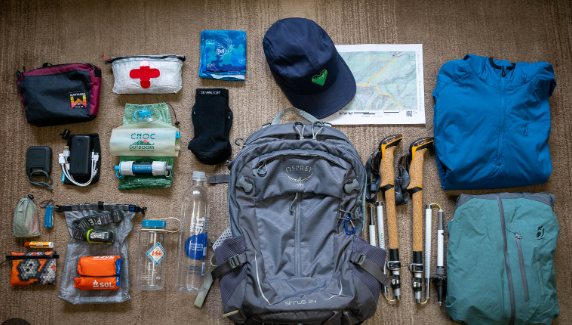
Embarking on an adventure hiking trip is an exhilarating way to connect with nature and challenge yourself physically. However, proper gear is essential for a safe and enjoyable experience on the trails. In this blog post, we’ll explore crucial hiking gear that will enhance your adventure hiking experiences and ensure you’re well-prepared for any terrain.
1. Footwear: The Foundation of Comfort
Your choice of footwear can make or break your hiking experience. A good pair of hiking boots or shoes should provide sturdy support and traction, essential for navigating uneven terrain. Look for footwear that offers a comfortable fit with adequate cushioning, as well as breathable materials that can withstand both wet and dry conditions. Brands like Merrell and Salomon specialize in hiking footwear known for durability and comfort.
Additionally, consider the weather conditions of your hiking location. If traversing snowy or icy areas, be sure to invest in insulated and waterproof boots with good grip. Proper footwear not only protects your feet but also helps prevent injuries such as blisters and sprains, keeping you focused on the beauty around you rather than discomfort.
-
- Choose boots that fit well and have a break-in period.
-
- Pick footwear according to your hiking environment (dry vs. wet conditions).
-
- Invest in moisture-wicking socks to prevent blisters.
-
- Consider ankle support if hiking in rocky areas.
-
- Test your boots on shorter hikes before undertaking long journeys.
2. Clothing: Layering for Versatility
Weather can change rapidly during a hike, making layering an essential strategy for staying comfortable. Start with a moisture-wicking base layer that draws sweat away from your skin. Merino wool or synthetic options work well for this purpose. Next, add an insulating layer, like a fleece or down jacket, which traps heat while remaining lightweight and packable.
Lastly, top off with a waterproof and breathable outer layer, such as a shell jacket, to protect you from wind and rain. Ensure that your clothing allows for freedom of movement, as comfort is key during long hikes. Don’t forget a well-fitted hat, gloves, and don’t hesitate to use gaiters for extra protection against water and mud.
-
- Invest in high-quality, quick-drying fabrics.
-
- Always check the weather before heading out.
-
- Choose clothing that allows you to adjust layers easily.
-
- Pack an extra layer just in case temperatures drop.
-
- Opt for clothing in bright colors for visibility.
3. Navigation Tools: Stay on Track
Proper navigation tools are paramount for adventure hikers, especially in remote areas. A physical map and compass are reliable backups to your GPS or smartphone. Familiarize yourself with reading maps and understand how to use a compass effectively. Various apps like AllTrails provide excellent trail information, including difficulty level, reviews, and user-uploaded images.
Moreover, don’t rely solely on digital tools as batteries can die, and signals may be weak in certain regions. The combination of traditional navigation methods and modern technology will ensure that you remain on the right path and can make informed decisions about your route. Always plan your hike in advance and share your itinerary with someone who isn’t joining you.
-
- Learn how to read a topographic map.
-
- Download offline maps in case of no service.
-
- Regularly check your location against the map.
-
- Bring extra batteries or a portable charger for devices.
-
- Practice using your navigation tools before hitting the trails.
4. Hydration and Nutrition: Fuel Your Adventure
Staying hydrated is non-negotiable on any hiking trip, no matter how short. A hydration backpack or water bottles that can fit snugly in your pack are great options. Aim for a minimum of two liters of water, adjusting based on the length and intensity of your hike and the climate. Water purification tablets or filters are useful, particularly when hiking in areas where water sources are available but not safe to drink directly.
Nourishing snacks are equally important; pack lightweight, high-energy options like trail mix, energy bars, or jerky. Preparing balanced meals is crucial for multi-day hikes where you’ll be expending more energy. Planning for meals that are easy to prepare, pack well, and offer a variety of nutrients can make all the difference in maintaining your energy levels throughout your trek.
-
- Carry a collapsible water bottle for easy storage.
-
- Bring a portable water filter for long journeys.
-
- Choose non-perishable snacks that are high in protein.
-
- Plan meals ahead of time to ensure you have everything needed.
-
- Monitor your hydration levels regularly and drink before you feel thirsty.
5. First Aid and Safety Gear: Be Prepared
Safety should always be your top priority while hiking. A well-stocked first aid kit is essential; it should include items such as adhesive bandages, antiseptic wipes, pain relievers, and any personal medications you might need. Familiarizing yourself with the contents of your first aid kit and how to use them is equally important; a brief training session can go a long way in ensuring you are prepared for minor injuries.
Besides a first aid kit, consider other protective gear like sunscreen, insect repellent, and a whistle for emergency signaling. If you’re heading into remote regions, a satellite phone or personal locator beacon for emergencies could be vital. Make sure to adjust your safety gear according to the specific circumstances of your hike, such as its length and remoteness.
-
- Regularly check and update your first aid kit.
-
- Learn basic first aid techniques for quick response.
-
- Carry a whistle on your backpack for emergencies.
-
- Invest in a lightweight emergency blanket for warmth.
-
- Consider carrying bear spray if in bear country.
In conclusion, having the right gear significantly enhances your adventure hiking experiences. By investing in quality footwear, appropriate clothing, reliable navigation tools, proper hydration and nutrition supplies, and comprehensive safety gear, you’re ready for any challenge the trail may present. Take the first step by evaluating your current gear and planning your next adventure with confidence!