
Choosing the right hiking gear for your specific hiking style can make a significant difference in your overall experience. With various types of hiking—from casual day hikes to intense backpacking trips—understanding what to pack is essential for comfort, safety, and enjoyment.
1. Day Hiking Gear
Day hikes typically last from a few hours to a full day, making them a great option for beginners and seasoned hikers alike. The gear for this type of hiking is usually lighter and more compact, allowing you to carry essential items without feeling weighed down. Key items include a daypack, water bottles or hydration reservoirs, a first-aid kit, and snacks to keep your energy levels up throughout the day.
Footwear is critical for day hiking. A well-fitted pair of hiking shoes or low-cut boots can provide the necessary support and traction. Fabrics that wick moisture are ideal for clothing, as they can help regulate body temperature and keep you dry. Always check the weather conditions before heading out to ensure you are adequately prepared.
-
- Choose lightweight and breathable fabrics.
-
- Prioritize comfort when selecting footwear.
-
- Pack a lightweight first-aid kit.
-
- Stay hydrated; carry a water bottle or hydration pack.
-
- Include energy snacks like nuts or energy bars.
2. Backpacking Gear
Backpacking is more rigorous, often involving multi-day trips in remote locations, and requires a more comprehensive gear setup. You’ll need a robust and comfortable backpack that can carry not only your gear but also sleeping supplies and cooking equipment. Lightweight tents, sleeping bags, and camping stoves are essential items that should not be overlooked.
Considering the weight of each item is crucial in backpacking gear. Opt for models specifically designed for backpackers with ultra-light design features. It’s also a good idea to practice carrying your fully loaded pack before your trip to get an idea of what feels comfortable and what adjustments are needed.
-
- Invest in a high-quality, lightweight backpack.
-
- Choose multifunctional items like cook pots that double as storage.
-
- Practice packing and carrying your gear before the trip.
-
- Prioritize compact and lightweight sleeping gear.
-
- Always check weight limits for your particular backpacking plans.
3. Technical Hiking Gear
Technical hiking or mountaineering requires gear capable of handling severe weather and rugged terrain. This might include specialized equipment like crampons, ice axes, and climbing harnesses depending on the environment. Choosing high-performance clothing like waterproof jackets and thermal layers is also essential, especially when facing unpredictable conditions or high altitudes.
Finding fit-for-purpose gear is critical in technical hiking, as failure to do so can lead to hazardous situations. Consider consulting with experts at outdoor shops when selecting technical gear to ensure that you’re equipped with items that meet safety standards and perform well under pressure.
-
- Consult experienced hikers for gear recommendations.
-
- Understand the specific conditions you’ll be facing.
-
- Invest in quality gear that ensures safety and performance.
-
- Practice using technical gear in safe environments.
-
- Ensure that clothing is layered for temperature regulation.
4. Family Hiking Gear
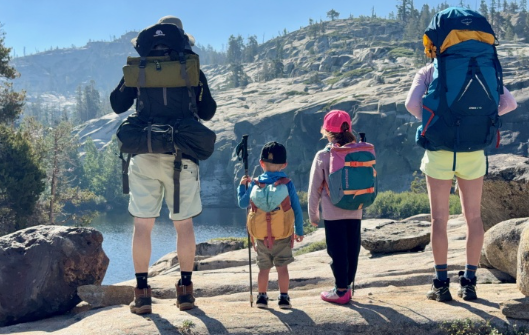
Family hikes offer a unique set of challenges, especially when including children of various ages. Gear selection focuses on comfort and versatility but should also account for safety. For families, carriers for young children and walking aids for older family members can make the journey more enjoyable. Don’t forget to carry a variety of snacks, entertainment, and perhaps even toys to keep everyone engaged.
It’s essential to create an inclusive environment for everyone. Choose trails that are kid-friendly and offer educational opportunities, such as nature trails or botanical gardens, where the whole family can learn while hiking. Accessories such as walking sticks, hats, and sunscreen are also important to ensure a memorable experience.
-
- Select easy trails suitable for all family members.
-
- Carry additional gear for child safety and comfort.
-
- Pack a variety of snacks and drinks to keep energy levels high.
-
- Include fun elements like nature guides in your pack.
-
- Prepare for emergencies with a family-specific first-aid kit.
In conclusion, understanding the gear needed for different hiking styles can significantly enhance your experience and ensure safety. Whether embarking on a short day hike or a multi-day backpacking adventure, make informed choices about your equipment for the best outdoor experience. Don’t hesitate to seek advice from professionals or seasoned hikers to tailor your gear to your style and needs.