
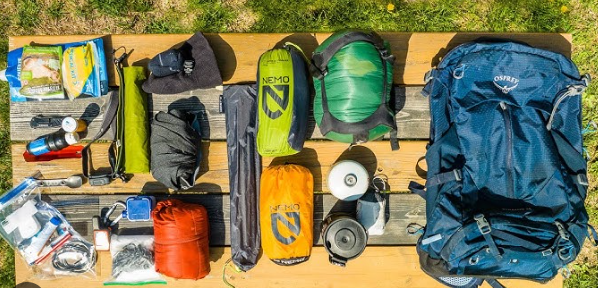
Hiking solo can be an incredibly rewarding experience, allowing you to immerse yourself in nature and enjoy the peacefulness of the great outdoors. However, it also comes with its own unique challenges, especially when it comes to safety and preparedness. A well-thought-out hiking gear checklist can make all the difference in ensuring a successful solo hiking adventure.
1. Essential Clothing and Footwear
Your clothing and footwear choice can significantly impact your hiking experience. When hiking solo, it is indispensable to wear layers that can be easily adjusted according to changing weather conditions. Moisture-wicking base layers, insulating mid-layers, and waterproof outer layers are crucial. Additionally, comfortable and supportive hiking boots will protect your feet and provide traction, especially on uneven terrain.
Consider investing in moisture-wicking fabrics that dry quickly to prevent you from getting cold if you sweat or encounter rain. Don’t forget to pack a hat and gloves for colder conditions, and bring an extra pair of socks in case your feet get wet. Remember, a well-dressed hiker is a happy hiker!
-
- Choose moisture-wicking base layers.
-
- Wear a breathable and waterproof jacket.
-
- Invest in quality hiking boots.
-
- Bring gloves and a hat for colder weather.
-
- Pack an extra pair of socks.
2. Navigation Tools and Safety Gear
When hiking solo, navigation and safety should be your top priorities. Carrying a reliable map and compass is fundamental, as technology can sometimes fail. Make sure you know how to use these tools effectively. In addition, consider downloading offline maps on your phone or a GPS device if you’ll be in an area with poor reception. Never underestimate the importance of knowing your route, as this knowledge will keep you safe.
Safety gear is equally critical for solo hikers. A basic first-aid kit can come in handy in case of minor injuries. Also, pack a whistle, headlamp, and multi-tool. If you’re venturing far from civilization, consider carrying a personal locator beacon or a satellite phone to ensure you can reach help if needed.
-
- Bring a detailed map and compass.
-
- Download offline maps on your device.
-
- Pack a first-aid kit for minor injuries.
-
- Include a whistle and headlamp in your gear.
-
- Consider a personal locator beacon for emergencies.
3. Food, Water, and Hydration Systems
Staying nourished and hydrated during a solo hike is vital for maintaining energy levels and focus. Always plan your meals ahead of time, opting for lightweight and nutrient-rich foods such as nuts, energy bars, or dehydrated meals. A portable stove can be beneficial if you’re planning a longer hike where you can cook warm meals. Don’t forget to pack a small trash bag for waste disposal to keep the trail clean!
Hydration is equally essential. Carry a sturdy water bottle or a hydration bladder that makes drinking on the go easier. Remember to assess your water needs based on the temperature and duration of your hike. If you’re hiking in an area with water sources, consider a portable water filter or purification tablets to ensure your water supply is safe.
-
- Pack nutrient-rich, lightweight snacks.
-
- Consider using a portable stove for warm meals.
-
- Bring a sturdy water bottle or hydration bladder.
-
- Plan for your water needs based on your hike’s duration.
-
- Carry a water filter or purification tablets if needed.
4. Emergency and Communication Gear
Being prepared for unexpected situations is crucial when hiking solo. A well-stocked emergency kit can provide the essentials in case of accidents. This kit should include basic tools, fire-starting materials, extra food, and an emergency blanket. Understanding how to use each item effectively is just as important as having them on hand.
Communication tools are also vital for safety. Mobile phones are great, but never rely solely on them in remote areas. Carry a portable charger to ensure your devices remain powered. Additionally, inform someone about your hiking plans, including your expected return time. This way, someone will know if you’re overdue!
-
- Put together an emergency kit with essential supplies.
-
- Include basic tools and fire-starting materials.
-
- Carry a portable charger for your phone.
-
- Inform someone about your hiking route and timeline.
-
- Familiarize yourself with all emergency gear.
In conclusion, preparing for a solo hike requires careful consideration and planning. By using this hiking gear checklist, you can enhance your safety and enjoyment while significantly decreasing risks. Don’t hesitate to consult with experienced hikers or professionals to ensure you’re ready for your adventure. Happy hiking!