
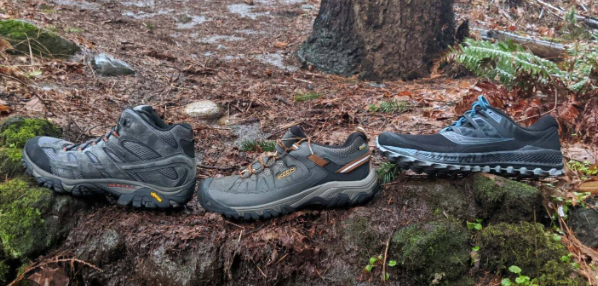
When it comes to hitting the trails, choosing the right footwear is essential. Hiking boots and hiking shoes each have their merits and cater to different types of treks, preferences, and foot types. Understanding the differences can help you make an informed decision for your next outdoor adventure.
1. Understanding the Basics
Hiking boots are typically more robust than hiking shoes. They often come with ankle support and are designed for heavy-duty trails or off-trail situations where stability is crucial. They’re made with tougher materials and usually have a more aggressive tread for better grip on rocky terrain. This makes them an ideal choice for hikers who plan on taking on uneven and unpredictable surfaces.
On the other hand, hiking shoes are lighter and more flexible, providing more freedom of movement. They provide good traction and are generally recommended for day hikes or well-marked trails. Hiking shoes may come in low-cut, mid-cut, or high-top designs, but they lack the extensive ankle support that boots offer. For those who prioritize comfort and weight, shoes might be the way to go.
-
- Consider your hiking terrain: Lightweight trails may benefit from shoes.
-
- Heavier trails or backpacking might require boots.
-
- Match the footwear to your experience level.
-
- Assess your personal comfort preferences.
2. Weight and Flexibility
One of the most significant differences between hiking boots and shoes is their weight. Hiking boots, due to their construction and materials, tend to be heavier, which can impact your stamina on long hikes. The added weight can sometimes lead to fatigue, especially if you’re tackling miles of challenging terrain. However, that extra weight often translates to superb stability and protection against injuries.
Conversely, hiking shoes are lightweight and designed for agility. This can provide a significant advantage when you’re navigating through quick turns and changes in terrain. The flexibility of shoes allows for a more natural foot movement, which some hikers find more comfortable over long distances. However, lighter weight can sometimes mean sacrificing support and durability, and that’s a key factor to consider when selecting your footgear.
-
- Try on both boots and shoes to compare weights.
-
- Consider how weight impacts endurance for your hikes.
-
- Evaluate how flexibility affects your hiking experience.
-
- Consider where you’ll be hiking the most.
3. Longevity and Durability
Durability is a significant factor when investing in hiking gear. Hiking boots are generally built from robust materials, often featuring leather or heavy synthetic fabrics. This not only provides excellent support but also promises a longer lifespan, even under challenging conditions. If you frequently hike in rugged areas or face adverse weather, investing in a quality pair of boots can pay off in the long run.
Hiking shoes, while generally less durable than boots, can still be quite resilient if chosen wisely. Many modern hiking shoes use advanced materials designed to withstand wear and tear, but they may not endure extreme conditions as well as boots. If you primarily hike on well-maintained trails or in a more casual context, quality shoes can serve you well without the bulk of boots.
-
- Research brands known for their durable products.
-
- Check warranties; good brands often offer guarantees.
-
- Inspect materials for indicators of longevity.
-
- Understand the terrain before making your choice.
4. Fit and Comfort
The fit of hiking boots and shoes can significantly affect your hiking experience. Boots usually have a more rigid construction which can translate to discomfort if not fitted properly. It’s crucial to try on boots with the socks you intend to wear and ensure that there’s enough room for toe movement without excess sliding. Ensuring a good fit reduces the risk of blisters and hotspots, allowing for a more enjoyable hike.
With hiking shoes, the focus often lies on comfort and adjustability. Many models come with padding that molds to your foot over time. They also allow for a more natural flex. It’s essential to pay attention to the arch support and consider insoles if you have special foot requirements. A well-fitted shoe can make all the difference on a day hike.
-
- Always try shoes or boots with the hiking socks you’ll use.
-
- Walk around the store to check for proper movement and fit.
-
- Consider breaking in new boots before longer hikes.
-
- Look for models with good arch support if needed.
5. Price Point Considerations
When it comes to purchasing, price can vary significantly between hiking boots and shoes. Boots tend to be more expensive due to their construction and materials, which can be an important factor for budget-conscious hikers. While there are budget-friendly options available, investing in a higher-end pair can result in better durability and comfort, especially on more demanding hikes.
Hiking shoes can often be found at a lower price point, making them a solid choice for casual or beginning hikers. However, keep in mind that cheaper models may sacrifice certain features like durability and support. It’s wise to balance your budget with the quality you desire, ensuring you don’t compromise on safety and comfort during your hikes.
-
- Set a budget before shopping for footwear.
-
- Look for sales or previous season’s models for savings.
-
- Invest in quality over quantity for durability.
-
- Consider long-term costs compared to initial outlay.
Choosing between hiking boots and hiking shoes is essential for maximizing your outdoor experience. Take the time to assess your hiking style, conditions, and personal preferences for the best fit. Don’t hesitate to consult with professionals at outdoor stores to find the perfect match for your adventures.