
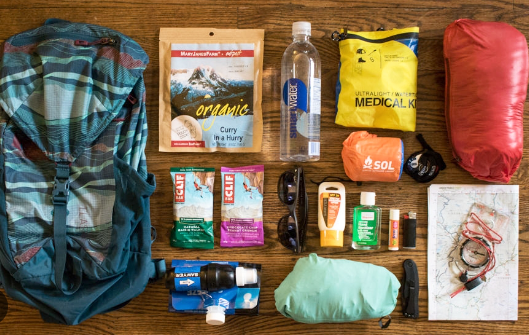
Hiking is one of the best ways to connect with nature and challenge yourself physically and mentally. Whether you’re a seasoned hiker or a beginner, packing the right essentials in your backpack can make all the difference. Let’s explore the must-have items for every hike to ensure your adventure is safe and enjoyable.
1. Hydration: Stay Refreshed
One of the most crucial aspects of any hike is staying hydrated. Your body needs water to function optimally, especially during physical exertion. Depending on the length and intensity of your hike, aim to carry enough water or an appropriate hydration system. A hydration bladder can be a great option, allowing you to sip water easily without stopping. Alternatively, water bottles can be stowed in your backpack’s side pockets for quick access.
In addition to water, consider bringing electrolyte tablets. These can help replenish essential minerals lost through sweat, particularly on long hikes in warmer weather. You can easily add them to your hydration solution to maintain stamina and energy levels as you explore. A good rule of thumb is to drink about half a liter of water per hour of moderate activity.
-
- Use a hydration bladder or bottles for easy access to water.
-
- Bring electrolyte tablets to replenish minerals lost through sweat.
-
- Aim to drink half a liter of water per hour.
-
- Keep your water supply insulated to prevent it from heating up.
2. Navigation: Know Your Path
Getting lost can quickly turn an enjoyable hike into a stressful experience. That’s why navigation tools are an essential part of your backpack essentials. Carry a physical map of the area along with a compass, even if you plan to use GPS on your smartphone. Technology can be unreliable in remote areas due to lack of service or dead batteries, so having a backup ensures you won’t wander off course.
Familiarize yourself with the trail before starting your hike. Understanding landmarks and elevation changes can provide perspective on where you are and where you’re headed. Consider downloading hiking apps that work offline and offer trail reviews, photos, and detailed GPS tracking. These features can significantly enhance your outdoor experience while keeping you safe.
-
- Always carry a physical map and a compass as backups to digital navigation.
-
- Familiarize yourself with the trail map before the hike starts.
-
- Download offline hiking apps for added safety.
-
- Check trail reviews and photos to get a sense of the terrain.
3. First Aid: Be Prepared for the Unexpected
Accidents happen, even on well-trafficked trails. This is why carrying a first aid kit is essential for every hike. A basic first aid kit should include adhesive bandages, antiseptic wipes, gauze, medical tape, and pain relievers. Additionally, consider including blister treatment pads and an emergency blanket. These items can make a huge difference in case of minor injuries or discomfort.
It’s also wise to familiarize yourself with basic first aid techniques. Knowing how to treat a sprained ankle, apply a bandage correctly, or manage heat exhaustion can come in handy. Investing time in a first aid or wilderness survival course can enhance your confidence and preparedness outdoors, making your hiking experience safer and more enjoyable.
-
- Pack a well-stocked first aid kit with essentials like band-aids and antiseptic wipes.
-
- Consider adding blister treatments and an emergency blanket for longer hikes.
-
- Familiarize yourself with basic first aid techniques.
-
- Take a first aid or wilderness survival course to enhance your skills.
4. Clothing and Layering: Embrace Versatility
Clothing plays a vital role in ensuring comfort during your hike, and layering is the key approach. Start with moisture-wicking base layers to pull sweat away from your skin, keeping you dry and comfortable. Mid-layers, like fleece jackets, offer insulation, while a waterproof and breathable outer layer protects you from rain and wind. This system allows you to adjust your clothing based on changing weather conditions throughout the day.
Also, consider packing extra clothes depending on your hike’s duration. Even short hikes can take unexpected turns, and having an extra layer or sock can make a significant difference if the temperature drops or if you encounter mud or water.
Don’t forget about accessories like hats, gloves, and sunglasses, as they can drastically affect your comfort during the hike. These small items take little space but can provide great protection.
-
- Start with moisture-wicking base layers for comfort.
-
- Use mid-layer insulation for warmth and an outer layer for weather protection.
-
- Pack extra clothes for unexpected weather changes or emergencies.
-
- Include accessories like hats and gloves for added protection.
Being well-prepared with the right hiking backpack essentials makes your outdoor experience safe and enjoyable. Consider these tips as you pack for your next adventure and create a checklist that caters to your unique hiking needs. Don’t forget to review your gear regularly to ensure you’re always ready to hit the trails at a moment’s notice!