
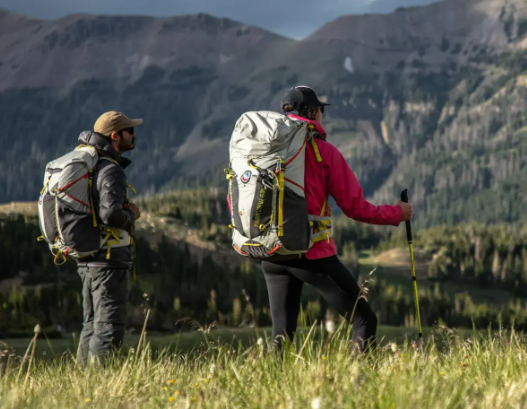
As more people embrace the beauty of nature, the importance of ecologically responsible practices becomes ever more crucial. When you set out for a hike, the gear you choose can have a significant impact on the environment. In this blog post, we will explore eco-friendly hiking gear options that not only enhance your outdoor experience but also help preserve the natural world.
1. Sustainable Footwear
When it comes to hiking, your footwear is your primary point of contact with the ground beneath you. Choosing sustainable hiking shoes and boots is vital for comfort, durability, and minimizing environmental impact. Look for brands that utilize recycled materials, organic cotton, and eco-friendly rubber in their constructions. Additionally, brands that use ethical labor practices can help ensure that your purchase has a positive impact both socially and environmentally.
Another essential feature to consider is the shoe’s lifecycle. Opt for footwear that is designed for longevity, featuring replaceable parts like soles and laces. This commitment to longevity reduces the demand for new materials and minimizes waste. Companies like Allbirds and Vivobarefoot are leading the way in sustainable footwear technology, utilizing renewable resources and transparent supply chains.
-
- Choose shoes made from recycled materials.
-
- Opt for brands with ethical labor practices.
-
- Look for durable, long-lasting designs.
-
- Consider brands that offer repair services or replacements.
2. Eco-friendly Clothing
When hiking, the clothes you wear play a substantial role in both comfort and environmental impact. Look for clothing made from sustainable materials such as hemp, bamboo, or recycled polyester. These fabrics are not only breathable and lightweight, but they also require less water and harmful chemicals during production. Many brands are now offering clothes that are both stylish and sustainable, so you don’t have to sacrifice aesthetics for eco-friendliness.
Additionally, layering is crucial for maintaining comfort during hikes, especially when weather conditions change. Choose base layers and insulating layers made from sustainable materials to optimize warmth while supporting the environment. Brands like Patagonia and prAna offer eco-friendly options that cater to a variety of outdoor activities while promoting a sustainable lifestyle.
-
- Choose clothing made from sustainable materials.
-
- Look for brands that prioritize eco-friendly practices.
-
- Emphasize layering for variable weather conditions.
-
- Explore options that are both stylish and sustainable.
3. Reusable Water Bottles and Hydration Systems
Staying hydrated is crucial for a successful hike, but single-use plastic bottles can contribute massively to pollution. Instead, investing in a reusable water bottle made from stainless steel or BPA-free plastic is a smart choice. These bottles not only help reduce plastic waste but can also keep your drinks hot or cold for extended periods. Additionally, many outdoor retailers offer hydration systems with integrated filters, allowing you to refill your water supply from streams or lakes safely.
Some companies have begun to incorporate sustainable practices into their production, such as using recycled materials or creating a take-back program for old containers. An added bonus is that many reusable bottles can be outfitted with accessories like filters or collapsible cups, making them versatile for various outdoor scenarios.
-
- Invest in reusable stainless steel or BPA-free bottles.
-
- Consider hydration systems with built-in filters.
-
- Look for brands with sustainable production practices.
-
- Bring a collapsible cup for convenience.
4. Eco-friendly Backpacks and Gear
Your backpack is essential for carrying your gear, and choosing one made from eco-friendly materials can significantly lessen your environmental footprint. Look for backpacks crafted from recycled fabrics, such as nylon and polyester, as these help to reduce waste. Furthermore, brands that use non-toxic dyes and sustainable manufacturing processes show a commitment to eco-friendliness that can surpass standard market options.
It’s also crucial to think about the functional aspects of a backpack. Look for features like adjustable straps, breathable mesh, and multiple compartments to make your hiking experience more efficient and enjoyable. Many outdoor companies now have a range of eco-conscious backpack options, enabling you to find a backpack that fits both your style and sustainability goals.
-
- Choose backpacks made from recycled or organic materials.
-
- Look for brands that prioritize eco-friendly manufacturing.
-
- Consider functional features, such as compartments and strap adjustability.
-
- Research backpacks with a good warranty for longevity.
When you gear up for your next hike, make choices that reflect your commitment to the environment. Venture into the great outdoors with sustainable hiking gear that enhances your experience while protecting the planet. By exploring eco-friendly options, you help to preserve the nature you love for generations to come. So, take a step towards sustainability today—your future hiking adventures depend on it!