
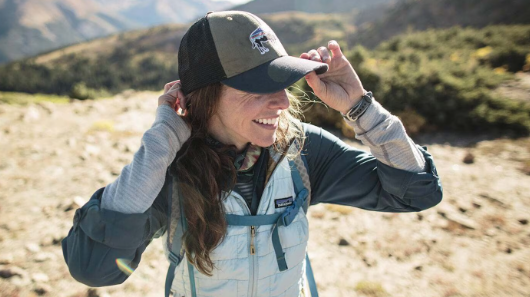
Choosing the right hiking clothing is essential for enjoying your outdoor adventures in comfort and safety. As seasons change, so do the requirements for what you should wear. Understanding how to choose the best gear will not only improve your experience but also keep you protected from the elements.
1. Spring Hiking Clothing
Spring brings unpredictable weather, with warmer days and cooler nights. Layering is your best strategy during this season. Start with a moisture-wicking base layer to keep sweat away, add an insulating mid-layer for warmth, and finish with a lightweight waterproof shell to protect against rain. Look for breathable fabrics that allow for flexibility as you traverse varied terrains.
Additionally, spring often involves muddy trails and sprouting vegetation. Choosing pants that are both durable and water-resistant can keep you dry and comfortable. Opt for hiking boots with good grip and ankle support to navigate through slippery areas. Remember to check the weather forecast before heading out to adapt your clothing as needed.
-
- Wear moisture-wicking base layers.
-
- Choose lightweight and flexible waterproof jackets.
-
- Carry an extra layer for unexpected chill.
-
- Opt for durable and water-resistant pants.
-
- Invest in breathable hiking boots.
2. Summer Hiking Clothing
When summer arrives, the heat can be intense, and staying cool is crucial. Choose lightweight, loose-fitting garments made from quick-dry materials that help wick away moisture. A good rule of thumb is to wear light-colored clothing to reflect sunlight, which helps keep your body temperature down. Don’t forget a wide-brimmed hat and sunglasses for UV protection.
In the summer months, bugs can also be a nuisance, especially in forested areas. Long-sleeved shirts and full-length pants are useful not only for sun protection but also for shielding against insect bites. Choose clothing treated with bug-repellent technology for an added layer of defense. Finally, bring plenty of water and sunscreen to protect yourself from dehydration and sunburn.
-
- Wear lightweight and breathable fabrics.
-
- Opt for light-colored clothing.
-
- Use long sleeves and pants for bug protection.
-
- Don’t forget a good sun hat and sunglasses.
-
- Bring sunscreen and hydration supplies.
3. Fall Hiking Clothing
Fall is often seen as the best season for hiking due to cool temperatures and beautiful foliage. However, just like spring, fall can present changing weather conditions. Layering remains the key strategy, but this time focus on heavier insulation compared to spring. Start with a moisture-wicking base layer, then a thicker insulating layer, followed by a durable outer layer that can withstand wind and rain.
As the days can get chilly, especially in the morning and evening, consider gear that can be easily removed or added as temperatures fluctuate. Leather or insulated hiking boots will also provide extra warmth for your feet. Since trails may become slippery with fallen leaves or rain, choose footwear with good tread for stability and traction.
-
- Layer effectively with thicker insulation.
-
- Choose durable and wind-resistant outer layers.
-
- Opt for insulated hiking boots for warmth.
-
- Pay attention to footwear traction for safety.
-
- Bring layers to adjust for temperature changes.
4. Winter Hiking Clothing
Winter hiking demands the most thoughtful clothing choices to combat cold temperatures and snow. Start with a high-quality moisture-wicking base layer that hugs the skin to trap warmth. Your mid-layer should consist of insulating materials like fleece or down, while your outer layer should be windproof and waterproof to protect against harsh elements such as snow and ice.
Don’t overlook your accessories; insulated gloves, a warm hat, and thermal socks are vital to stave off the cold. Gaiters can also be beneficial to keep snow out of your boots. If you’re hiking in deeper snow, consider using snowshoes and wear boots that are rated for sub-zero temperatures. It’s essential to know your own body’s heat retention; wear just enough to remain comfortable without overheating.
-
- Use high-quality moisture-wicking base layers.
-
- Choose insulated mid-layers like fleece or down.
-
- Select windproof and waterproof outerwear.
-
- Remember insulated gloves, hats, and thermal socks.
-
- Use gaiters to keep snow out of your boots.
Choosing the right clothing for hiking in different seasons is integral to a safe and enjoyable outdoor experience. Take the time to evaluate your gear before heading into the wild, ensuring you’re prepared for whatever nature throws your way. Happy hiking!