
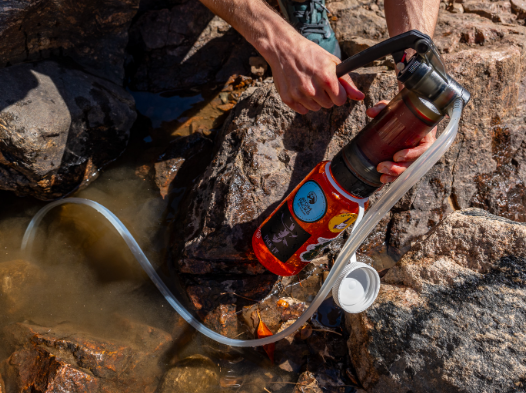
When it comes to camping, access to clean water is crucial for both comfort and safety. A reliable camping water filter can make all the difference in ensuring that you stay hydrated and healthy during your outdoor adventures. This buying guide will help you navigate the various options available, so you can choose the best filter for your needs.
1. Understanding Your Water Source
Before choosing a water filter, it’s important to identify the sources of water you might encounter while camping. Common sources include rivers, lakes, and ponds, but be aware that each has its own set of contaminants. For instance, running water like rivers generally has fewer pathogens compared to stagnant sources such as ponds, which can harbor bacteria and parasites.
Additionally, understanding local water quality is key. Some areas might have higher levels of certain contaminants due to agricultural runoff or industrial activities. Researching the water conditions in the area you’re planning to camp can help you select a filter that effectively addresses those specific concerns.
-
- Check online resources or local guides for water safety advice.
-
- Consider carrying a backup filtration method, like purification tablets.
-
- Test the water quality using a portable water test kit.
-
- Evaluate water sources upon arrival at your campsite.
2. Types of Camping Water Filters
There are several types of camping water filters, including pump filters, gravity filters, and straw filters. Pump filters are great for quickly filtering larger volumes of water, making them ideal for group camping. Gravity filters, on the other hand, rely on gravity to process water and are perfect for those who prefer a hands-free solution.
Straw filters are compact and light, allowing you to sip directly from the water source. However, they may not be suitable for filtering large quantities of water at once, limiting their use to individual hydration needs. Each type has its pros and cons, so consider your camping style and needs when making a choice.
-
- Assess how many people will need water and plan accordingly.
-
- Decide between speed and convenience when choosing a filter type.
-
- Consider carrying a portable filtration pouch for easy transport.
-
- Read reviews and ratings of different filter types before purchasing.
3. Filtration Technology: What to Look For
Not all water filters are created equal, especially in terms of filtration technology. Common types include activated carbon, ceramic, and hollow fiber membranes. Activated carbon filters are excellent for removing bad tastes and odors, while ceramic filters can remove bacteria and protozoa effectively.
Hollow fiber membranes use a physical barrier to block contaminants, and many models can filter viruses as well, which makes them a robust option for diverse water sources. Always check the filter’s specifications to ensure it meets EPA guidelines for pathogen removal. This will guarantee safe drinking water during your camping trips.
-
- Look for filters that meet FDA and EPA certifications.
-
- Compare the filtration rate (liters per minute) of different filters.
-
- Evaluate the lifespan and replacement costs of filter cartridges.
-
- Choose a filter based on the specific contaminants in your water source.
4. Portability and Ease of Use
When you’re out camping, portability is essential. Look for filters that are compact enough to fit in your backpack without taking up too much space. Filters with integrated water bags or collapsible designs can save you valuable room.
Ease of use is just as important. A filter that requires complicated setup can be frustrating, especially after a long hike. Choose a model that allows for quick and straightforward operation, so you can enjoy your camping experience without hassle.
-
- Consider how much weight you’re willing to carry.
-
- Look for filter options with easy-to-follow instructions.
-
- Take note of how long it takes to filter a liter of water.
-
- Test any filter at home before your camping trip.
5. Cost Considerations
While it may be tempting to go for the cheapest option available, investing in a reliable water filter can save you money in the long run. High-quality filters often last longer and are more effective at eliminating harmful contaminants. Look at both the initial cost and the lifespan of replacement filters to gauge long-term expenses.
Additively, consider the features you require. If you are frequently camping in remote areas with dubious water quality, it might be worth spending a little extra on advanced filtration technologies. In the end, the right filter is an investment in your health and safety.
-
- Compare prices across different retailers and online stores.
-
- Factor in the cost of replacement filters.
-
- Look for bundles or kits that include extra accessories.
-
- Review warranty options for added peace of mind.
Choosing the right camping water filter is an essential part of preparing for a safe and enjoyable outdoor experience. By understanding your water source, the different types of filters available, and considering portability and cost, you can make an informed decision. Take the next step by researching specific models or consulting a professional before your next camping adventure!