
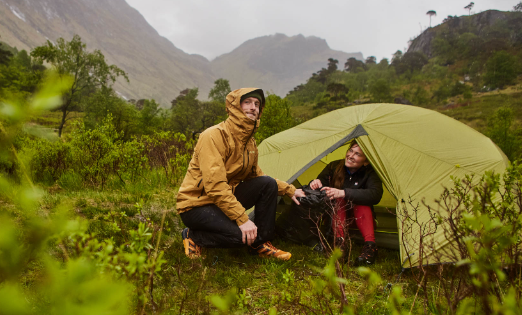
Choosing the right camping tent can make or break your outdoor experience. Whether you’re a seasoned backpacker or a casual camper, understanding the various options available is crucial. This guide will walk you through essential factors to consider when buying a camping tent.
1. Know Your Camping Style
Before you start browsing for tents, it’s essential to define your camping style. Are you planning a weekend family trip, a solo backpacking adventure, or a festival outing? Each scenario demands a different type of tent. For example, family tents are typically larger, easier to set up, and feature more amenities like room dividers, while backpacking tents are lightweight and compact but may offer less living space.
Additionally, the location and conditions of your campsite can dictate your choice. If you’re camping in a wet, cold area, you’ll want a weather-resistant tent with good ventilation. Conversely, if you’re in a hotter environment, look for a tent with adequate airflow and sun protection. Understanding these variables can lead you to a more suitable selection.
-
- Determine if you are camping alone or with family/friends.
-
- Consider the types of terrains you’ll encounter.
-
- Factor in the weather conditions typical to the area.
-
- Assess how long you plan to camp.
2. Types of Tents
Tents come in various shapes and sizes, each catering to different needs. Dome tents are popular for their structural integrity and space while remaining lightweight. Cabin tents provide ample headroom and typically feature vertical walls, making them perfect for family camping. If you’re looking for something ultra-light for backpacking, consider a bivy sack, which provides basic shelter without bulk.
Additional types include tunnel tents, which are elongated and provide good wind resistance, and pop-up tents, ideal for quick setup but may lack durability. Understanding what each tent offers will help you choose one that aligns with your specific needs and preferences.
-
- Research various tent types: dome, cabin, pop-up, etc.
-
- Consider the weight and portability of the tent.
-
- Weigh the importance of durability versus ease of setup.
-
- Look for reviews on specific tent models.
3. Size and Capacity
When it comes to tent size, you’ll find that most manufacturers list a “capacity” rating, which indicates how many people can sleep comfortably inside. Keep in mind that these ratings can be optimistic. To ensure comfort, consider going one size up. For example, a tent rated for four people may be too cramped for a group of four people, especially with gear.
Also, think about the additional space you might need for personal items. If you’re camping with kids or plan to spend a lot of time inside the tent, look for one with extra room or even a vestibule for gear storage. Measuring your sleeping bags and expecting some additional gear could influence your choice significantly.
-
- Choose a tent size based on the number of occupants plus gear.
-
- Consider length and width to ensure comfort while sleeping.
-
- Think about how much time you’ll spend inside the tent.
-
- Look for models with extra storage features like vestibules.
4. Price and Quality
Your budget will play a significant role in the type of tent you purchase. While it might be tempting to go for the cheapest option, remember that you often get what you pay for. Cheaper tents tend to be less durable and may not hold up in tough weather conditions. Investing a bit more upfront for a quality tent will likely save you money and frustration in the long run, as they typically last longer and perform better.
When weighing your options, consider warranties and return policies as well. Sometimes, paying extra for a reputable brand can provide peace of mind, especially if you camp frequently. Researching materials used, seam quality, and overall craftsmanship will help you gauge whether a tent is a good investment.
-
- Set a realistic budget before shopping.
-
- Check reviews for quality and durability insights.
-
- Look for tents with solid warranties or guarantees.
-
- Don’t be swayed by low prices; quality matters.
In conclusion, selecting the right camping tent is crucial for enhancing your outdoor experience. By considering your camping style, the type and size of the tent, and your budget, you can make a well-informed choice. Start your camping adventure off right by investing in a tent that meets your needs! Happy camping!