
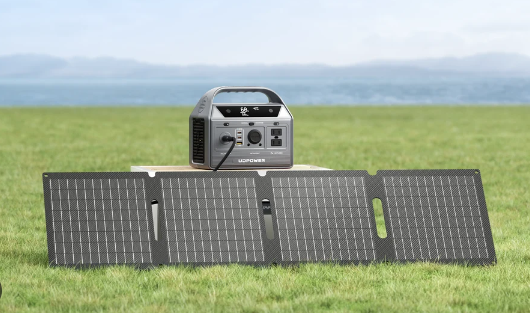
Camping is a cherished activity for nature lovers and adventure seekers alike. To enhance your outdoor experience, solar panels have emerged as a practical solution for camping enthusiasts. But are they truly useful? Let’s dive deeper into how solar panels can provide convenience and benefits while enjoying the great outdoors.
1. Power Your Essential Devices
One of the most compelling reasons to invest in solar panels for camping is the ability to power essential devices. Whether it’s charging your phone for navigation, powering a portable speaker for entertainment, or keeping your camera charged for capturing memories, solar panels make it easy. Portable solar chargers can harness energy during the day and store it for use at night, ensuring you remain connected and entertained even in remote areas.
Modern solar panel kits come equipped with various connectors, enabling compatibility with multiple devices. For example, a solar power bank can often charge smartphones, tablets, and various small gadgets. Additionally, some kits even have the capacity to power small appliances such as LED lights or mini refrigerators, making your camping experience more comfortable and enjoyable.
-
- Invest in a multi-USB solar charger for versatility.
-
- Ensure devices are powered in advance and bring spare cables.
-
- Look for solar banks with built-in LED lights for dual functionality.
-
- Check voltage requirements before charging larger devices.
2. Eco-Friendly Camping Experience
Using solar panels while camping not only benefits you but also contributes positively to the environment. Unlike traditional generators that emit noise and require fuel, solar panels operate silently and cleanly. They convert sunlight directly into electricity without harmful emissions, making them a sustainable option for outdoor adventures.
Moreover, many campground sites are now eco-conscious and offer designated areas for solar-powered setups, which encourages an environmentally friendly approach to camping. Opting for solar power can significantly reduce your carbon footprint while allowing you to fully enjoy the natural surroundings. Plus, knowing you’re minimizing your environmental impact enhances the overall camping experience.
-
- Choose solar gadgets made from recycled materials when possible.
-
- Find campgrounds that support eco-friendly practices.
-
- Educate fellow campers on the benefits of solar energy.
-
- Set an example by leaving no trace and cleaning up after yourself.
3. Cost-Effective Long-Term Solution
Although the initial investment in solar panels can be higher than traditional methods of generating energy, the long-term savings are significant. Once you own a solar setup, there’s little to no cost for energy use, making it a worthwhile addition for frequent campers. In a few trips, you’ll likely recoup the costs associated with the solar equipment, and every trip after that becomes even more affordable.
Additionally, options for solar camping have expanded, with various models priced for different budgets. Portable solar panels are available for as low as $100, while larger systems designed to power multiple devices can go up to $500 or more. If you frequently go on camping excursions, this investment can greatly reduce the cost of batteries and fuel while enhancing your experience.
-
- Research different models that suit your camping style.
-
- Consider purchasing used or refurbished solar panels for a lower cost.
-
- Join camping forums for advice and product recommendations.
-
- Keep track of savings on energy to measure your return on investment.
4. Reliability and Independence
Solar panels also provide a level of reliability and independence that is particularly valuable in remote camping scenarios. You won’t have to rely on finding a power source or worry about running out of battery life. This reliability is critical for campers venturing into areas where electricity is scarce or non-existent. Solar panels can generate power in the most isolated locations, giving you peace of mind.
Having a reliable energy source allows you to focus on your camping activities without the stress of staying tethered to a power outlet. Whether you want to enjoy a late-night campfire with lights or keep your devices charged for emergency uses, solar panels ensure you’re equipped for any situation. They enhance your freedom to explore the great outdoors more responsibly.
-
- Always have backup batteries for essential devices.
-
- Know the typical sun exposure available at your camping site.
-
- Plan your usage based on your consumed power limits.
-
- Consider all-season options to maximize power generation.
5. Convenience and Portability
Another major advantage of solar panels is their convenience and portability. Many solar panel systems designed for camping are lightweight and easily transportable. You can fold them up and stow them in your backpack or car without taking up much space. This is critical for those who need to carry their camping gear over long distances or into challenging terrains.
Portable solar panels can also be set up in just a matter of minutes, allowing you to spend more time enjoying your camping experience rather than fumbling with complex setups. Some models even come integrated with kickstands for easy positioning towards the sun. This user-friendly design means that campers of all experience levels can benefit from solar power without a steep learning curve.
-
- Choose panels with lightweight designs for easy transport.
-
- Look for quick-setup options to save time on your trips.
-
- Store them in waterproof bags for added protection.
-
- Familiarize yourself with set-up instructions at home to ease on-site assembly.
In conclusion, solar panels are not just a trend among campers; they offer practical benefits that can greatly enhance your outdoor experiences. From powering essential devices to promoting eco-friendly practices and providing long-term savings, solar panels present a range of advantages for modern campers. Consider investing in solar technology to elevate your camping adventures and make them more enjoyable and sustainable.