
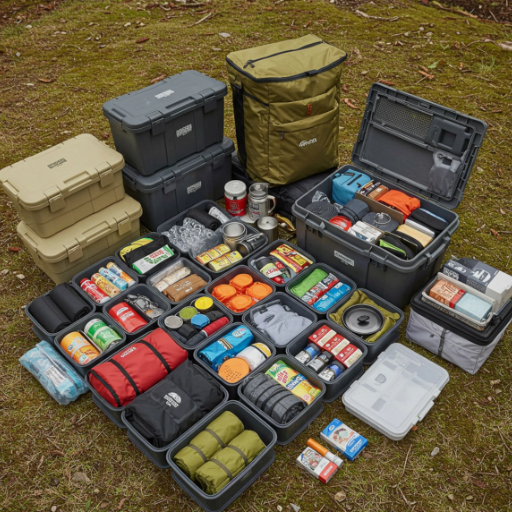
Storing camping equipment properly is essential to prolong its lifespan and ensure you’re ready for your next adventure. With the right techniques, you can keep your gear organized, clean, and in excellent condition. This blog post will guide you through effective storage practices to make your camping experiences more enjoyable.
1. Cleaning Your Gear Before Storage
Before packing away your camping equipment, it’s vital to clean it thoroughly. Dirt, moisture, and debris can lead to mold and decay if left unchecked. For tents, shake out any dirt and wipe down the surfaces with a damp cloth. For sleeping bags, check the manufacturer’s instructions regarding washing, and always ensure they are completely dry before storing to prevent mildew.
Cleaning also applies to smaller gear like cooking utensils and backpacks. Make sure pots and pans are free from leftover food residue, and rinse these thoroughly. A clean backpack not only smells better but is also less likely to attract pests or develop odorous bacteria.
-
- Shake out and wipe down tents and sleeping gear.
-
- Check and follow washing instructions for fabric items.
-
- Thoroughly clean cooking utensils and store them dry.
-
- Check for any damages before storing.
2. Organizing Storage Space
Once your gear is cleaned, consider how to best organize your storage space. Dedicated bins or shelves are excellent for separation and easy access. Group similar items together—keep all cooking supplies in one area, camping furniture in another, and sleeping gear in a separate section. By doing this, you can easily find what you need without unnecessary rummaging.
Labeling storage containers can save you time during your next trip. Using clear plastic bins allows you to see contents at a glance, while label makers can add a professional touch. If space is at a premium, consider using vertical space—shelves can be an effective way to store items upward rather than across.
-
- Designate bins or containers for specific gear types.
-
- Use clear bins for easy visibility of contents.
-
- Label containers for quick identification.
-
- Utilize vertical shelving to save floor space.
3. Storing Specific Camping Gear
Different types of camping gear require unique storage considerations. For instance, tents should ideally be stored in their original bags, as this allows for breathability while preventing compression damage. You might want to hang them or store them in a cool, dry place rather than cramming them in a damp garage.
Likewise, sleeping bags should be stored in a loose sack or hung, preventing the insulating material from becoming matted. For cooking gear with moving parts, like camp stoves, ensure they are securely packed to prevent any dents or damage. Utilizing storage bins for smaller items can avoid clutter and make setup convenient.
-
- Store tents in breathable bags to prevent moisture buildup.
-
- Keep sleeping bags in loose storage to maintain loft.
-
- Secure cooking gear in bins to prevent damage.
-
- Avoid storing gear in damp areas like basements.
4. Regular Maintenance Checks
After your camping gear is stored, don’t forget about regular maintenance checks to ensure everything stays in top condition. Setting a schedule to revisit your gear every few months can help catch any problems early, like mold growth or fabric rot, and save you from surprises before your next outing.
During maintenance, take time to inspect zippers, straps, and other components for wear and tear, replacing any broken items immediately. This proactive approach not only keeps your gear functional but can also enhance your camping experience by ensuring everything is ready when you are.
-
- Inspect gear every few months for any damage.
-
- Replace broken or worn parts immediately.
-
- Re-clean items as needed to prevent dirt buildup.
-
- Keep a checklist for what needs to be checked.
In conclusion, proper storage and maintenance of your camping equipment can greatly enhance your outdoor experiences. By keeping your gear clean, organized, and regularly checked, you’ll ensure that everything is ready for your next adventure. Take the time to establish a routine and enjoy peace of mind during your camping trips!