
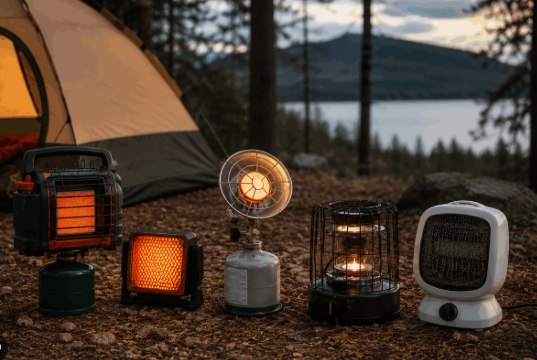
Camping can be an exhilarating escape from the hustle and bustle of everyday life. However, as temperatures drop during the night, many campers turn to heating equipment to keep warm. But how safe is this equipment while you’re out in the wild?
1. Types of Camping Heating Equipment
When it comes to camping heating equipment, several options cater to different needs and environments. Some common types include propane heaters, electric heaters, and wood-burning stoves. Propane heaters are compact and efficient, often favored for their convenience, while electric heaters require a power source, making them ideal for campgrounds with electrical access. Wood-burning stoves are a robust option for backcountry camping but demand a bit more effort in terms of preparation and maintenance.
Each type of heating equipment has its pros and cons. Propane heaters are portable but can pose a carbon monoxide risk if not used properly. Electric heaters can only be used where electricity is available, and wood-burning stoves usually require wood, which may not always be readily accessible. Understanding these distinctions can help campers select the best option for their specific situation.
-
- Research before you go: Know the type of heater that suits your camping style.
-
- Check local regulations on open flames, especially for wood-burning stoves.
-
- Choose equipment designed for outdoor use to minimize risks.
-
- Consider weight and portability when selecting a heating option.
2. Safety Precautions with Heating Equipment
Safety should always be at the forefront when using heating equipment in the great outdoors. Proper usage can significantly reduce the risk of accidents or injuries. For instance, ensure your propane heater is designed for camping and has adequate ventilation. This not only prevents overheating but also reduces the risk of carbon monoxide buildup, which can be fatal in enclosed spaces.
Another crucial aspect of safety is maintaining a safe distance from flammable materials. Whether using a propane or wood-burning heater, keep tents, sleeping bags, and gear at least three feet away. Furthermore, consider investing in a carbon monoxide detector; it could be a life-saving device in the event of a malfunction.
-
- Always read and follow the manufacturer’s guidelines.
-
- Ventilate your space to minimize carbon monoxide risks.
-
- Keep a safe distance between your heater and any flammable materials.
-
- Regularly check your equipment for leaks or damages before each trip.
3. Alternatives to Conventional Heating Equipment
If traditional heating equipment seems too risky for your camping trip, there are several alternatives worth considering. One option is utilizing warmer sleeping systems, which include insulated sleeping bags, insulated pads, and thermal liners. These can drastically improve warmth at night without the need for external heating sources.
Another fantastic option is layering your clothing effectively. Wearing multiple layers of clothing trap heat close to your body and can be more effective than a heater in some situations. Additionally, thermal socks and hats are essential, as a significant amount of body heat can escape through the extremities, which can leave you feeling chilly even in a well-heated tent.
-
- Invest in high-quality sleeping bags rated for the temperatures you’ll encounter.
-
- Utilize insulated pads for additional warmth from the ground.
-
- Layer clothes smartly, starting with thermal base layers.
-
- Don’t underestimate the value of warm accessories like gloves and hats.
Camping heating equipment can be a fantastic asset for your outdoor adventures, but it also comes with responsibilities. Ensuring you’re fully informed about various types of heating options, observing crucial safety precautions, and considering alternative warmth-inducing methods will enrich your camping experience while keeping risks at bay.
As you plan your next camping journey, take a moment to evaluate your heating options. Whether you choose traditional equipment or alternative means, make sure to prioritize safety and comfort to enjoy the great outdoors fully.