
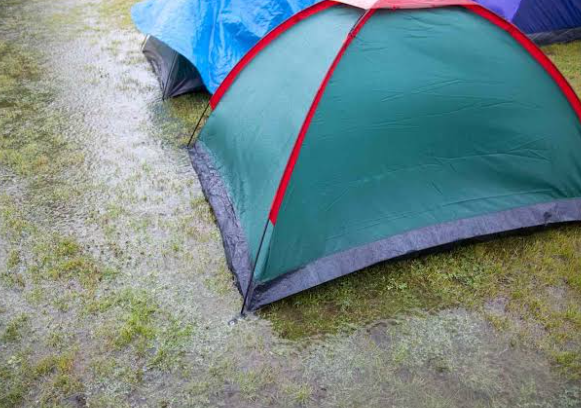
Choosing the right camping groundsheet is crucial for a comfortable and enjoyable outdoor experience. A good groundsheet can protect you from moisture, dirt, and cold while providing a layer of cushioning from the ground. In this guide, we’ll explore how to pick the ideal groundsheet based on various factors such as material, size, and intended use.
1. Consider Materials
The material of your camping groundsheet is one of the most important factors to consider. Common options include polyethylene, nylon, and tarpaulin, each with its own set of pros and cons. For instance, polyethylene is waterproof and affordable, making it an excellent choice for those on a budget. On the other hand, nylon is lightweight and durable, ideal for backpackers who prioritize weight while still seeking reliable performance.
Another material to look at is tarpaulin, which offers excellent waterproof features and is generally very durable. However, it can be heavier than the other options, making it less suitable for backpacking. Knowing how you will use the groundsheet is key; for car camping, weight might not be an issue, but for a long hike, every ounce counts.
-
- Choose a waterproof material for wet conditions.
-
- Consider weight if you’ll be backpacking.
-
- Research durability ratings; thinner materials can tear easily.
-
- Check breathability if camping in hot climates.
2. Measure Size and Shape
The size and shape of the groundsheet are also vital for your camping setup. A poorly sized groundsheet can lead to inadequate coverage, exposing parts of your sleeping gear to moisture and dirt. It’s essential to measure the footprint of your tent or sleeping area and then select a groundsheet slightly larger than it to ensure full coverage.
Various shapes are available, including rectangular, square, and even custom shapes for specific tents. A rectangular groundsheet is generally the easiest to find and use, but if you have a non-standard tent, consider investing in a custom-shaped option to maximize your coverage and protection. Remember to think about how much room you want for gear storage as well; a larger groundsheet can provide additional space for bags and equipment.
-
- Measure your tent or sleeping bag for proper sizing.
-
- Choose a shape that fits your needs.
-
- Look for an extra 6-12 inches on each side for coverage.
-
- Consider using a footprint for tents with specific shapes.
3. Think About Functionality and Features
The functionality of your groundsheet goes beyond just protecting you from the elements. Some ground sheets come with added features such as pockets to hold stakes down, grommets for easy setup, or reflective surfaces to help keep your gear visible at night. These features can make a considerable difference in your camping experience, particularly if you often camp in high-wind areas or rocky terrain.
Another factor to consider is whether you want a multi-functional groundsheet. Some products can double as a picnic blanket or a beach mat, adding more value to your purchase. Look for sheets that can easily fold up and fit into your backpack without losing much space; versatility can save you money and effort in the long run.
-
- Check for additional features like pockets or reflective surfaces.
-
- Look for multi-functional options to save on space.
-
- Consider ease of setup, especially in windy conditions.
-
- Examine folding and storage capabilities for portability.
In conclusion, choosing the right camping groundsheet involves careful consideration of materials, size, and functionality. A well-chosen groundsheet not only enhances comfort but also increases the durability of your camping gear. So, take the time to evaluate your options, and you’ll build a solid foundation for a memorable camping adventure!