
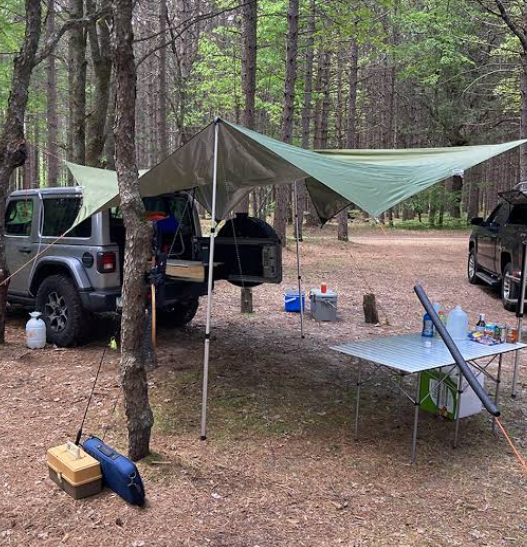
Choosing the right camping tarp can significantly enhance your outdoor experience by providing shelter, protection, and versatility. Whether you’re a seasoned camper or a beginner, understanding the various types and features of tarps can help you select the best option for your needs.
1. Understand the Different Types of Tarps
When it comes to camping tarps, there are various types to consider, including rectangular, square, and oversized tarps. Rectangular tarps are the most common and ideal for general use, such as providing ground cover or a makeshift shelter. Square tarps can be more versatile in configurations, while oversized tarps offer extra coverage for larger areas, ideal for group camping or extensive setups.
Additionally, consider specialized tarps like the hammock tarp, which is designed to hang over your hammock for added weather protection. These tarps often feature a diamond shape to minimize wind resistance and help shed rain better. Knowing the types helps you narrow down your choices based on your specific camping style.
-
- Identify your camping needs (solo, group, hammock).
-
- Evaluate the weather conditions you expect.
-
- Consider mobility; lightweight options are better for backpacking.
-
- Think about how you’ll use the tarp (ground cover, shelter, etc.).
2. Material Matters: Choosing the Right Fabric
The material of your tarp plays a crucial role in its durability and effectiveness. Common fabrics include polyethylene, nylon, and ripstop nylon. Polyethylene is durable and water-resistant, often used in budget-friendly options, while nylon offers a lightweight solution for backpackers. Ripstop nylon is an upgraded version, featuring a structured weave that prevents tearing, making it a favorite for those looking for both lightweight and durability.
Another important aspect is the waterproof rating. Look for tarps with a higher millimeter (mm) rating for better waterproof capabilities. A tarp rated over 3000 mm is generally suitable for heavy rain. Always consider how the fabric will perform under different weather conditions to ensure your tarp can withstand the elements.
-
- Choose a durable material based on your camping habits.
-
- Look for waterproof ratings suitable for your destination.
-
- Consider weight if you’re backpacking.
-
- Check for UV resistance if camping in sunny locations.
3. Size and Packability: Finding the Right Dimensions
Size matters when it comes to camping tarps, as a larger tarp provides more coverage but also adds weight. A common rule of thumb is to select a tarp that’s at least 30 inches longer than your tent or hammock to ensure adequate coverage. However, if you’ll primarily use the tarp for ground cover, a smaller size may suffice. Packability is equally essential; consider how compact the tarp can become when packed away, especially if you’re hiking long distances.
Additionally, consider the dimensions in relation to your tent or sleeping area. A tarp that’s too small won’t offer much protection, while one that’s too large may be cumbersome to carry and set up. It’s beneficial to strike a balance, ensuring you have enough coverage without compromising on weight and ease of packability.
-
- Measure your tent/hammock for proper length and width.
-
- Check pack size and weight for ease of transport.
-
- Test setup compatibility with your camping arrangement.
-
- Consider additional dimensions if planning group camping.
4. Ease of Setup: Consider the Configuration Options
The ease of setup can make a substantial difference, especially after a long day of hiking. Look for tarps with grommets or reinforced corners that facilitate quick and easy attachment to trees, poles, or trekking poles. Some tarps come with built-in guy lines, which can minimize setup time and complexity. Furthermore, consider if you might need extra support poles; some models allow for various setups that can adapt to the environment.
Design features like adjustable loops or tensioning systems also play a significant role. These allow you to adjust the tautness of the tarp quickly, which can help in windy conditions. Reviewing user manuals or online reviews can give you insight into how straightforward the setup might be, saving you frustration in the field.
-
- Look for easy-to-use attachment options (grommets, guy lines).
-
- Consider buying additional poles for flexible configurations.
-
- Test setup methods before your trip.
-
- Read reviews for real-world experiences on setup efficiency.
Choosing the right camping tarp requires careful consideration of your specific needs, weather conditions, and camping style. Taking the time to analyze the various features will ultimately enhance your outdoor experience and provide essential protection in your adventures. Don’t hesitate to consult with outdoor professionals or experienced campers to gain further insights and tips. Happy camping!