
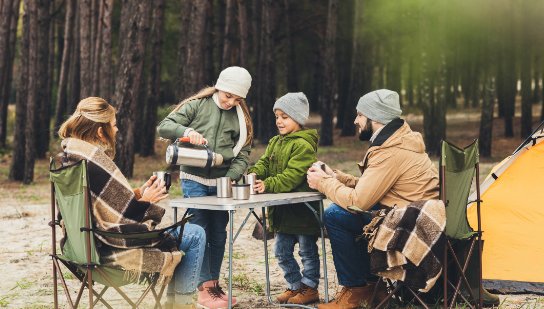
Camping in the great outdoors can be a delightful escape, offering a chance to connect with nature and unwind. However, ensuring that you have the right safety gear and knowledge is crucial for a successful and safe forest camping experience.
1. Proper Gear and Its Maintenance
Your camping gear is your lifeline in the wilderness, and having the right equipment is essential for safety. Always invest in high-quality tents, sleeping bags, and cookware designed for camping. Regularly check for wear and tear on your gear, and replace any damaged items to ensure optimal protection against the elements and potential hazards.
Equally important is knowing how to properly maintain your equipment. For example, waterproof your tent before camping to prevent leaks and keep your sleeping gear clean and dry. Regularly following maintenance schedules can help extend the lifespan of your camping equipment, making your adventures safer.
-
- Inspect your gear before each trip.
-
- Use waterproofing sprays on tents and bags.
-
- Store gear in a dry place to avoid mildew.
-
- Familiarize yourself with the setup process of tents before arriving at the campsite.
2. Fire and Cooking Safety
Cooking in the wilderness often involves open flames, making fire safety a top priority. Before starting a fire, familiarize yourself with local regulations and always select fire-safe areas. Use a fire ring or a designated fire pit and keep flammable materials at a safe distance to prevent accidental fires.
When cooking, always have a first aid kit handy and be cautious while handling hot cookware. Avoid wearing loose clothing while cooking over a fire, as it can catch fire easily. Following safe cooking practices not only ensures your safety but also maintains the integrity of the beautiful forest surroundings.
-
- Set up cooking stations at a safe distance from tents.
-
- Extinguish fires completely before leaving.
-
- Keep a bucket of water or sand nearby while cooking.
-
- Don’t leave fires unattended.
3. Wildlife Awareness and Personal Safety
Encountering wildlife can be one of the most exhilarating aspects of forest camping, but it’s important to prioritize safety. Always store food in bear-proof containers or hang it from a tree to deter animals from approaching your campsite. Educate yourself on the types of wildlife in the area and how to react if you encounter them.
Personal safety extends beyond wildlife. Make sure to carry a whistle, a flashlight, and a map of the area. Inform someone about your campsite location and expected return time. This way, you ensure that help can be sent if you face an unexpected situation.
-
- Store food securely and away from your campsite.
-
- Wear bear spray and know how to use it.
-
- Travel in groups to reduce risks when hiking.
-
- Maintain a safe distance from any wildlife sightings.
4. Weather Preparedness
The weather can change rapidly in forested areas, making it crucial to be prepared for various conditions. Check advanced forecasts and pack clothing that can handle sudden temperature drops or rain. Layering is the key to adapting to fluctuating temperatures while keeping yourself comfortable.
Having appropriate shelter is also essential when facing inclement weather. Always ensure your tent can withstand rain and wind, and have a backup tarpaulin if needed. This preparation can prevent discomfort and potential hazards associated with sudden weather changes.
-
- Pack weather-appropriate clothing in layers.
-
- Always bring a durable tarp for shelter.
-
- Stay informed about weather updates during your trip.
-
- Know how to recognize signs of extreme weather changes.
5. First Aid and Emergency Preparedness
Accidents can happen anytime, which is why having a well-stocked first aid kit is vital. Make sure it contains essentials like band-aids, antiseptic wipes, and medications for common ailments. Familiarize yourself with basic first aid techniques, so you can respond swiftly to minor injuries.
It’s also helpful to have a plan for emergencies. Have an emergency phone number, know the route to the nearest hospital, and carry a portable charger for your phone in case you need to contact someone. Being prepared for emergencies can make a significant difference in your safety while camping.
-
- Assemble a comprehensive first aid kit before the trip.
-
- Learn CPR and basic first aid skills.
-
- Keep emergency contacts accessible.
-
- Consider carrying a whistle for signaling.
Camping can be a wonderful escape filled with adventure and tranquility, but keeping safety at the forefront should always be a priority. By following these tips and preparing adequately, you can ensure that your time in the forest is enjoyable and safe. Remember to stay informed and seek professional guidance when necessary!